8 min read
Disclosure: As an Amazon Associate and eBay Partner Network publisher, we earn from qualifying purchases. This doesn’t affect what we recommend or how we describe it.
Most guides on UV phone sanitizers paint a simple picture: your phone is a germ magnet, and a UV device is the high-tech solution. The reality is more nuanced. While these gadgets can reduce certain microbes on your phone’s surface, the real question is whether they’re worth the money, effort, and counter space—especially given what we know about germ transmission, the limitations of UV-C technology, and how most people actually use their phones. Let’s cut through the hype and dig into what UV phone sanitizers actually do, what the research says, and whether they make sense for your everyday routine.
How UV Phone Sanitizers Actually Work—and Where Their Limits Lie
UV phone sanitizers use short-wavelength ultraviolet light, specifically UV-C (typically between 200 and 280 nanometers), to disrupt the DNA or RNA of bacteria and viruses on exposed surfaces. This can render many microorganisms nonviable. Most consumer units use LED or mercury-vapor bulbs to generate UV-C, with peak wavelengths around 254 nm, which is the range shown to have germicidal effects in laboratory settings.
But the effectiveness of these devices hinges on several factors:
- Exposure time: Most units require at least 3–10 minutes per cycle to deliver enough UV-C energy to inactivate a significant percentage of microbes.
- Surface coverage: UV-C only disinfects what it directly illuminates. Shadows, crevices, and spots under case edges may not get sufficient exposure.
- Intensity and distance: The intensity of UV-C drops rapidly with distance—energy falls off with the square of the distance from the bulb. Many consumer devices don’t specify the actual mJ/cm² dose delivered to the phone surface.
In short: UV sanitizers can reduce the microbial load on exposed surfaces, but they don’t sterilize, and they don’t reach everywhere on your phone. If you’re hoping for a hospital-level clean, you’re likely to be disappointed.
What the Evidence Says About UV-C for Phones
Independent lab studies (including peer-reviewed research and university lab tests) show that UV-C can reduce bacteria and some viruses on flat, exposed surfaces—often by 90% or more with sufficient intensity and exposure time. However, most consumer devices aren’t tested against real-world viruses like SARS-CoV-2 on phones, and few publish the delivered UV-C dose.
Real-world use introduces complications:
- Phones come in cases, have ports and buttons, and are rarely perfectly clean to begin with.
- UV-C efficacy depends on direct line-of-sight. If your phone is dusty, oily, or has a thick case, shadowed areas may be untouched.
- UV-C does not remove dirt, oils, or visible grime—only surface microbes.
According to a National Institutes of Health review, UV-C is effective as a surface disinfectant in controlled conditions, but its performance on complex objects like phones is highly variable. No consumer UV sanitizer guarantees complete disinfection, and none replace hand washing or regular cleaning with approved wipes.
How the Options Compare: UV Phone Sanitizer Types and Their Real Differences
| Type | UV-C Wavelength | Cycle Time (min) | Max Phone Size | Extra Features | Price |
|---|---|---|---|---|---|
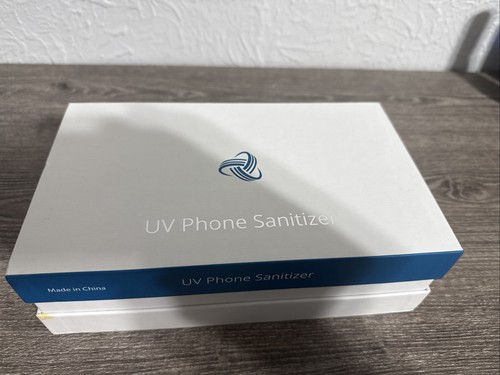
| Basic Compact Box | 254 nm | 3–5 | 6.5 x 3.5 in | — | $ |
| Multi-Device Chamber | 260 nm | 10 | 8 x 4 in | Watch/earbuds slots | $$ |
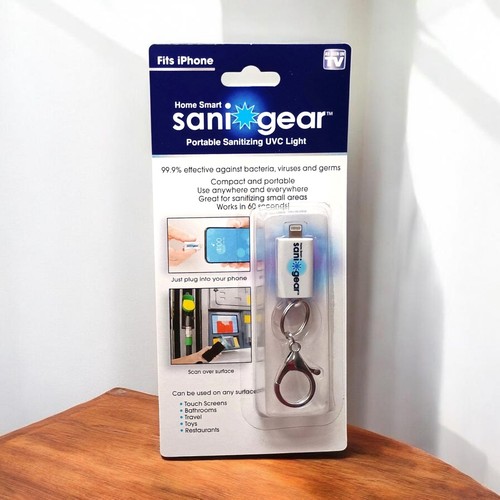
| Portable Wand | 265 nm | Manual sweep | — | Rechargeable battery | $ |
| Premium Box with Wireless Charging | 254 nm | 5–10 | 7 x 3.5 in | Qi charging pad | $$$ |
| Integrated UV Cleaner (in charger or case) | 270 nm | 5 | Single device | Always-on cycle | $$$ |
$ / $$ / $$$ indicates budget / mid-range / premium relative to the picks above. Check live listings further down for current prices.
Who Actually Benefits Most from a UV Phone Sanitizer?
Not everyone needs a UV phone sanitizer. The main value is for people who:
- Share their phone with others (e.g., in a healthcare, school, or retail setting)
- Work in environments with high exposure to germs—clinics, public transport, childcare
- Have immune system concerns and want an added layer of surface disinfecting
- Are diligent about regular cleaning and want a supplement, not a replacement
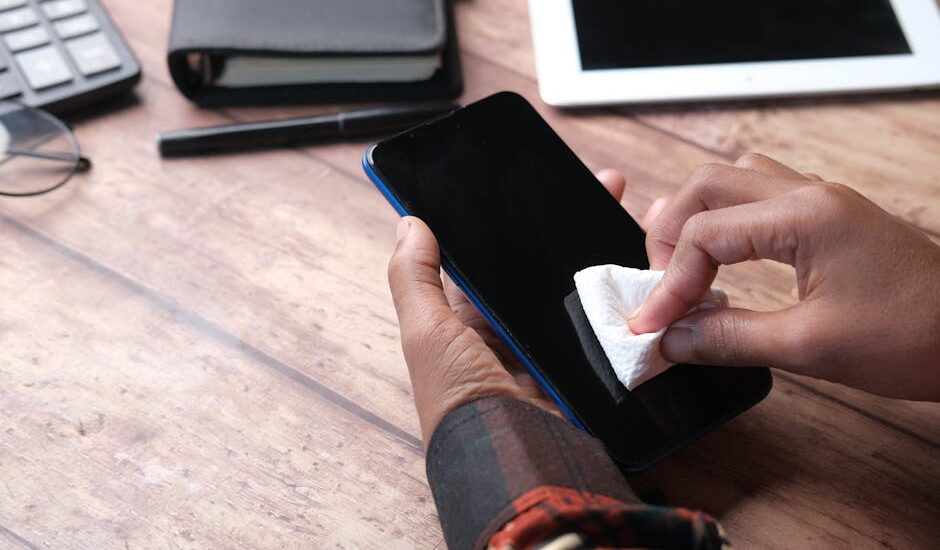
If your phone rarely leaves your pocket or bag, and you don’t share it, the incremental benefit over simply washing your hands is limited. For most people, antimicrobial wipes (70% isopropyl alcohol or approved electronics wipes) provide similar or better results for visible grime and surface germs—plus they cover hard-to-reach spots.
Common Mistakes That Reduce Effectiveness
Many users expect UV sanitizers to be a set-and-forget solution, but several mistakes undermine their value:
- Not removing the case: UV-C can’t reach under case edges or inside ports if the case stays on.
- Overloading the chamber: Stacking items or crowding the device blocks UV light, reducing disinfection.
- Dirty phone surface: Oils, dirt, and smudges can shield microbes from UV-C. Wipe down the phone before sanitizing.
- Short-cutting the cycle: Interrupting or shortening the cycle reduces the delivered UV-C dose.
- Using on wet surfaces: Moisture can scatter UV-C and reduce effectiveness.
For best results, use UV sanitizers as directed, with clean and dry devices, and don’t expect them to sanitize what they can’t touch.
Related Guides
- Our guide to Adaptive Eating Utensils for Adults That Are Actually Worth Buying
- Air Compression Leg Massagers That Are Actually Worth Buying
- Electric Facial Cleansing Brushes That Are Actually Worth Buying
- Our guide to Electric Foam Rollers That Are Worth It: Our Top Picks and Reviews
- Electric Foot Baths Worth Buying: Features, Benefits, and Top Picks
- Electric Pill Crushers That Are Worth Buying
Beginner’s pre-purchase checklist
- Measure your phone’s length and width (in inches) to confirm it fits inside the sanitizer’s chamber—don’t guess based on “fits most phones.”
- Check the claimed UV-C wavelength—look for devices specifying 254–265 nm for proven germicidal effect.
- Verify the cycle time and whether it’s adjustable—some models only run fixed cycles, which may not suit your needs.
- Ensure the device offers proper shielding—look for a fully enclosed chamber to prevent UV-C leakage.
- Determine if you need wireless charging or multi-device slots, or if a basic box suffices.
- Read the manufacturer’s information on bulb/LED lifespan (usually given in hours)—replacement costs can add up.
- Confirm the device is independently tested for UV-C output—look for mention of mJ/cm² dose or third-party verification.
Are UV Phone Sanitizers Worth the Money for Most People?
The core value of a UV phone sanitizer comes down to your risk tolerance, cleaning habits, and expectations. For most healthy adults, the incremental reduction in surface microbes doesn’t translate to a significant drop in illness risk, especially if you’re already washing your hands and cleaning your phone regularly with wipes. UV sanitizers are not magic shields—they supplement, not replace, other hygiene steps.
However, if you handle your phone in high-risk settings, share it frequently, or have a medical reason to minimize every possible germ, a UV sanitizer can add peace of mind. Just know that you’re paying for a convenience feature, not a clinical necessity. For many, the cost and maintenance (bulb replacements, cycle time, device space) outweigh the modest gains in everyday use.
For those who want a UV sanitizer as part of a broader hygiene routine, check current prices and evaluate which type fits your needs best. If you’re unsure whether you’ll stick with it, start with a basic compact box and see if it fits your workflow.
FAQ: Real-World Questions About UV Phone Sanitizers
How long does it take for a UV phone sanitizer to disinfect a phone?
Most consumer UV phone sanitizers require 3 to 10 minutes per cycle to deliver a meaningful germicidal dose. The exact time depends on the device’s UV-C intensity and coverage; always follow the manufacturer’s instructions for best results.
Are UV phone sanitizers safer than using alcohol wipes?
UV sanitizers are generally safe when used as directed, with proper shielding to prevent UV-C exposure. Alcohol wipes are more effective at removing dirt and oils, and they reach into crevices better. For most people, wipes are a practical, proven solution—UV adds a layer of convenience, not necessarily superior safety.
Can UV phone sanitizers kill viruses like COVID-19?
UV-C light can inactivate many viruses in laboratory settings, including coronaviruses, but consumer phone sanitizers are not tested or approved for COVID-19 disinfection. Direct contact with all surfaces is required, and results vary depending on phone design and sanitizer quality.
Do UV phone sanitizers damage phones or screens?
Properly designed UV phone sanitizers do not damage phone electronics or screens, as the UV-C exposure is brief and limited to the surface. However, prolonged or repeated exposure to high-intensity UV-C could degrade plastics or adhesives over time, though this is rare with typical consumer use.
Which is better: a UV phone sanitizer box or a portable wand?
Sanitizer boxes provide consistent exposure and shielding, making them safer and more reliable for unattended use. Wands require manual sweeping at a set distance and can miss spots if moved too quickly. For most users, a box is easier and more effective, but wands offer portability for larger items.
What should I do if my phone sanitizer stops working after a few months?
Check if the device has a replaceable bulb or LED—many models do, and replacement intervals are often around 10,000 hours. If under warranty, contact the manufacturer for support. Always unplug the unit before attempting any repairs or bulb changes.
How much UV-C energy is actually delivered to my phone?
Few consumer devices specify the delivered energy, but effective disinfection typically requires a dose of at least 1–2 mJ/cm². If a device lists this information or has third-party lab verification, that’s a good sign. Otherwise, cycle time and bulb placement are imperfect proxies for effectiveness.
Bottom Line: Who Should—and Shouldn’t—Buy a UV Phone Sanitizer?
If you want the convenience of a quick, non-liquid way to reduce surface germs—and you’re realistic about the limits—UV phone sanitizers can earn a place in your cleaning routine. For most people, they’re a “nice-to-have,” not a “need-to-have.” If you’re concerned about germs due to health or work, view options and choose a model that fits your habits and phone size. Otherwise, a pack of quality wipes and good hand hygiene are just as effective for everyday peace of mind. For the average user, the hype outpaces the necessity—but in the right context, a UV sanitizer can be worth it.
For a deeper dive into UV-C technology and independent testing standards, see the UL Standards for consumer UV sanitizers.


Last updated: July 2026 · Editorial standards