8 min read
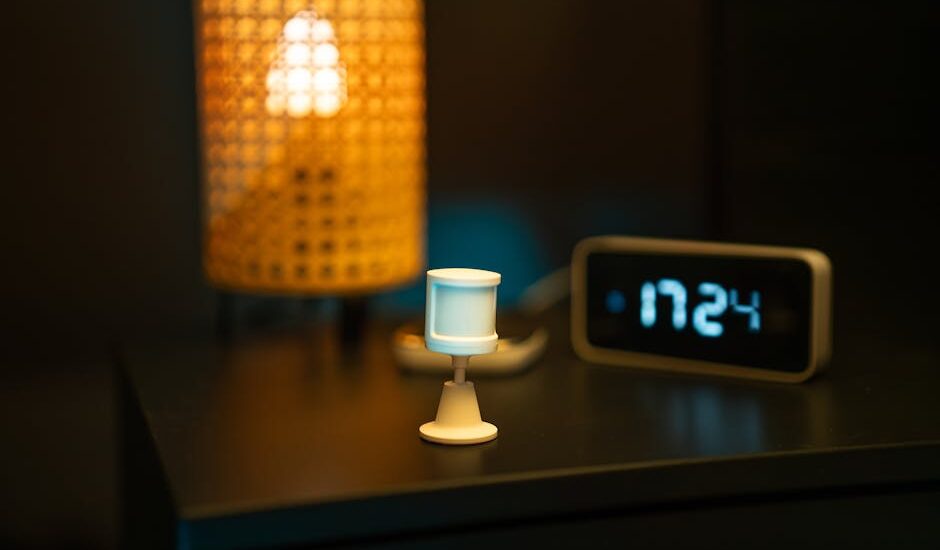
Motion sensor night lights seem simple—just a bit of light when you need it, hands-free. But the difference between a light that quietly works every time and one that blinds you at 2 a.m., triggers needlessly, or dies after a week is enormous. The best motion sensor night lights aren’t just about brightness or battery life; they’re about how they fit your real-world routine, from dark stairwells to children’s rooms to navigating hallways without waking the house. The right choice comes down to sensitivity, light temperature, mounting flexibility, and power source—each with real, quantifiable differences that matter far more than generic features like “energy efficient” or “easy to install.” For more detail, see Energy-efficient lighting options.
The Real-World Differences: What Sets Motion Sensor Night Lights Apart
Most buyers focus on brightness or battery life, but those are just the tip of the iceberg. The best motion sensor night lights distinguish themselves by: For more detail, see Impact of noise and light on sleep.
- Motion detection range and angle: Some lights trigger from 10-12 feet away with a 120°-180° field of view, while others only sense movement within 3-5 feet. This difference determines whether the light turns on before you need it or after you’ve already stubbed your toe.
- Light temperature: Warm white (around 2700K-3000K) is less disruptive to sleep cycles, while cool white (4000K+) can feel harsh at night. Some models let you switch between color temperatures, which can be a game-changer if you use the light in different rooms.
- Activation duration: Lights generally stay on for 20-60 seconds after motion stops. Some offer adjustable timers (from 15 seconds up to 5 minutes), which matters if you want to avoid repeated triggers in high-traffic areas.
- Power source: Battery-powered (AA, AAA, or rechargeable Li-ion), plug-in, and USB-rechargeable each have trade-offs. Battery life can range from 1 month (for bright, always-on models) to 12+ months (for dim, efficient picks).
- Mounting options: Peel-and-stick, magnetic, screw-in, and freestanding designs each suit different spots—think stair risers, under cabinets, or hallway outlets.
These factors have a bigger impact on your experience than any “top ten” list that ignores where and how you’ll actually use the light.
Amazon is the simplest path when you want the newest model, Prime shipping, and a no-questions-asked return window.
How the Top Motion Sensor Night Light Profiles Compare
| Buying Profile | Best For | Motion Detection Range / Angle | Brightness (Lumens) | Light Temperature | Power Source | Mounting | Typical Battery/Power Life |
|---|---|---|---|---|---|---|---|
| Long-range, wide-angle pick | Large hallways, staircases | Up to 12 ft / 120-180° | 30-50 lm | Warm or cool (switchable) | AA/AAA | Magnetic, screw, adhesive | 6-12 months (low-traffic) |
| Ultra-low-glare sleep-friendly | Bedrooms, nurseries | 6-8 ft / 90-120° | 5-15 lm | 2700K warm | Rechargeable Li-ion | Peel-and-stick, freestanding | 2-4 months (typical) |
| Plug-in always-ready | Bathrooms, kitchens, outlets | 8-10 ft / 120° | 20-40 lm | 3000K-4000K | AC power | Direct plug | Unlimited |
| High-brightness safety | Basements, garages, outdoor entryways | 10-15 ft / 180° | 50-100 lm | Cool white (4000K+) | AA/AAA or USB-rechargeable | Screw-in, magnetic | 1-3 months (high output) |
| Ultra-compact, flexible mount | Cabinets, closets, drawers | 3-5 ft / 90° | 5-10 lm | Warm white (2700K) | Rechargeable or AAA | Magnetic, adhesive | 2-6 months |
Where Motion Sensor Night Lights Actually Excel—and Where They Fall Short
Not every night light is suitable for every purpose. The best motion sensor night lights for a nursery (low brightness, ultra-warm, no visible hotspots) are just about the worst for a dark garage or stairwell, where you need higher output and longer range. Plug-in models are maintenance-free but limited to outlet locations; battery-powered lights go anywhere but require periodic attention. The real trick is matching the light to your space and your sleep patterns—not just buying the highest-rated or brightest option.
Why Motion Detection Range and Angle Are Non-Negotiable
Most buyers underestimate how much detection specs impact usability. The difference between a 120° and 180° field of view is whether a light triggers as you approach from the side or only straight-on. Likewise, a 12-foot detection range means the light comes on before you hit the stairs; a 3-foot range means you’re already there before it reacts. Cheaper or ultra-compact lights often skimp on sensor quality, leading to missed triggers or constant false alarms from pets. If you’re lighting a hallway, look for at least 8-10 feet and 120°—for tight spaces like closets, a narrower, shorter sensor is actually preferable to avoid battery drain from accidental triggers.
Light Temperature and Brightness: Why 2700K Matters at Night
Night lights that emit a cool white (4000K+) light are more likely to disrupt your sleep cycle by suppressing melatonin. A warm white (2700K-3000K) is gentler on the eyes and far less likely to wake you up fully if you’re moving around at night. For bedrooms and nurseries, stick with a maximum of 15 lumens and a color temperature under 3000K. In high-risk areas (stairs, garages), 30-100 lumens and a higher temperature may be appropriate for safety, but avoid placing these within line-of-sight from your pillow.
View options for sleep-friendly night lights
Mounting: Why “Universal Fit” Rarely Works
One of the most common mistakes is assuming every night light fits every space. Peel-and-stick models are convenient for renters and temporary setups but may lose adhesion in humid rooms. Magnetic mounts excel under metal cabinets or on appliances, but are useless on drywall. Screw-in designs are best for permanent, high-traffic zones but require tools. Plug-ins are great for outlets—if you have one where you need it. Think through your space: do you want the light on a riser, under a cabinet, or at floor level? The mounting method will determine both longevity and how much of the room is illuminated.
Power Source: Real-World Battery Life vs. Marketing Claims
Battery-powered lights tout “up to 1 year” life, but that assumes minimal activations (often 5-10 triggers per night at lowest brightness). In a hallway with frequent use, expect 2-4 months for AA/AAA models at medium brightness, and as little as 1 month for high-output or rechargeable picks. Plug-in options offer unlimited runtime but can be limited by outlet placement. Rechargeable Li-ion models are eco-friendly and cost-efficient long term, but require periodic charging (typically every 2-6 months depending on use). If you want true set-and-forget convenience, plug-in is unbeatable—but only if the outlet is where you need the light.
Common Mistakes and How to Avoid Night Light Regret
- Over-brightening bedrooms: Anything over 20 lumens in a sleeping area is likely to wake you—or your kids—up fully. Err on the side of lower brightness for any light within line-of-sight of beds.
- Ignoring sensor placement: Mounting a light too high or too low can put you outside its detection field. Sensors are typically optimized for 2-4 feet above the floor for hallways and stairs.
- Choosing the wrong power type for your space: Rechargeable is great for closets or cabinets, but a pain for high-traffic hallways. Battery-powered is flexible, but only if you’re willing to swap batteries every few months.
- Assuming all mounting methods work everywhere: Adhesives fail in bathrooms or kitchens with steam and humidity. Magnetic mounts are useless on drywall.
Amazon is the simplest path when you want the newest model, Prime shipping, and a no-questions-asked return window.
FAQs: Motion Sensor Night Lights
How do I choose the right brightness for a motion sensor night light?
For sleep areas, look for 5-15 lumens to avoid disrupting sleep. For stairs or entryways, 30-50 lumens is safer without being overpowering. Higher outputs (up to 100 lumens) are best reserved for basements or garages where safety is the priority. Always check if the brightness is adjustable, especially for multi-use spaces.
What’s the ideal motion detection range for a hallway?
A detection range of 8-12 feet with a 120°-180° field of view is ideal for most hallways. This ensures the light activates before you reach the area, providing illumination when you actually need it. Shorter ranges are better for small, enclosed spaces like closets to avoid false triggers.
Are rechargeable motion sensor night lights worth it?
Rechargeable models are cost-effective and environmentally friendly if you don’t mind recharging every few months. They’re especially useful in places where replacing batteries would be inconvenient, like under cabinets or inside closets. For high-traffic areas, consider plug-in or AA/AAA battery models for true set-and-forget use.
Will a motion sensor night light trigger from pets?
Many models will trigger from pets, especially those with wide-angle sensors and high sensitivity. Some higher-end lights offer adjustable sensitivity or pet-immunity, but most budget options do not. If false triggers are a concern, look for models with narrower detection angles or place the light at a height pets are unlikely to cross.
How long do the batteries typically last?
Battery life depends heavily on brightness, usage frequency, and sensor efficiency. In a low-traffic area, a 3-AA or 3-AAA light at 10 lumens may last 6-12 months. In a busy hallway at higher output, expect 2-4 months. Rechargeable models typically need charging every 2-6 months depending on use and brightness settings.
Can I use motion sensor night lights outside?
Some models are rated for outdoor use, but indoor lights generally aren’t weatherproof and may fail in wet or freezing conditions. For outdoor entryways or garages, look for a model with an IP44 or higher weather resistance rating, and verify the operating temperature range meets your climate’s needs.
Is warm or cool light better for night lights?
Warm light (2700K-3000K) is less likely to disrupt sleep and is best for bedrooms and nurseries. Cool white (4000K+) is brighter and more alerting, making it better for safety-critical spaces like stairwells or garages. Some lights let you switch between temperatures, which is ideal for multi-use households.
The Bottom Line: Matching the Light to Your Life
The best motion sensor night light isn’t the brightest, most expensive, or loaded with unnecessary features—it’s the one that fits your space, your routine, and your tolerance for maintenance. Prioritize sensor range and angle for safety, pick a warm light for anywhere sleep matters, and never underestimate the impact of mounting and power options on your long-term satisfaction. Get those details right, and you’ll forget your night light is even there—until you need it most.
Related Guides
- Top Mouth Guards for Teeth Grinding: What to Know Before You Buy
- Our guide to How to Clean Fitness Mats: Tips for a Germ-Free Workout Space
- Our guide to Electric Facial Cleansing Brushes That Are Worth Adding to Your Routine
- How to Charge an Electric Heating Pad: A Step-by-Step Guide
- Our guide to Water Flosser vs Dental Pick: Which Cleans Better?
- Browse all Buying Guides →