Disclosure: As an Amazon Associate and eBay Partner Network publisher, we earn from qualifying purchases. This doesn’t affect what we recommend or how we describe it.
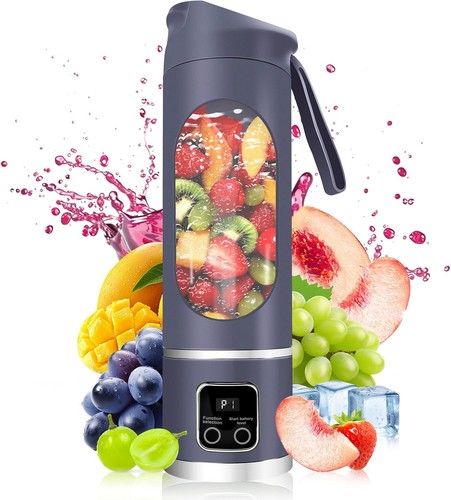
The difference between a portable blender that actually pulverizes protein powder and one that leaves gritty clumps in your shake often comes down to a few overlooked technical specs. It’s not just about wattage or battery claims — it’s the blade design, the torque at startup, and the way the cup seals that really determine whether you’ll get a smooth protein shake on the go or a frustrating mess. If you’ve ever stood in a gym locker room shaking a lumpy drink, you know that not all “portable blenders” are built for protein. Here’s what matters, what doesn’t, and how to pick a model that genuinely fits your routine.
Why Most Portable Blenders Struggle With Protein Shakes
Protein powder behaves differently from fruit or leafy greens. It clumps, foams, and forms stubborn residue unless it’s agitated with enough force. Many compact blenders are designed for soft smoothies or meal replacement drinks, not dense protein mixes. The most common failure points:
- Underpowered motors: Anything below 80W rarely generates enough torque to break up powder clumps, especially once you add nut butters or oats.
- Shallow blade assemblies: Two-blade designs with short arms often create dead zones where powder sticks to the cup wall.
- Poor cup geometry: Wide, squat cups leave unmixed pockets at the bottom. A tall, narrow profile (at least 16cm tall and 6cm diameter) circulates powder more effectively.
- Weak seals: Thin gaskets or snap-fit lids can leak under pressure, especially when blending thicker mixes.
Blenders that excel with protein shakes address these weaknesses directly, either with more robust motors (typically 100W+), multi-prong blades angled for turbulence, or improved sealing mechanisms. Don’t be fooled by battery capacity or “number of blends per charge” — those specs matter less for protein than raw blending power and cup design.
Shopping new with fast Prime shipping? Amazon usually has the best stock.
Shop on Amazon →How the Best Portable Blenders for Protein Shakes Compare
| Buying Profile | Motor Power | Blade Setup | Cup Capacity | Battery (mAh) | Weight | Blend Cycle | Best For |
|---|---|---|---|---|---|---|---|
| High-torque pick for dense mixes | 120W | 6-prong, 304 stainless | 475ml | 4000 | 650g | 30s auto-stop | Thick shakes, nut butters |
| Ultra-light for gym bags | 70W | 4-prong, hybrid | 350ml | 2000 | 410g | 20s manual | Quick shakes, travel |
| All-day battery for commuters | 100W | 6-prong, serrated | 500ml | 5200 | 720g | 40s pulse | Multiple shakes/day |
| Budget-friendly entry | 65W | 2-prong, basic | 300ml | 1500 | 370g | 15s manual | Simple powder mixes |
| Tech-integrated with app timer | 105W | 4-prong, titanium alloy | 400ml | 3500 | 590g | Customizable | Routine tracking, smart features |
Why Blade and Motor Specs Matter More Than Battery Size
A 4000mAh battery sounds impressive, but unless the motor can draw enough current to spin the blades at 18,000–22,000 RPM under load, you’ll still get uneven blending. For protein shakes, the sweet spot is a motor rated at 100–120W, paired with at least a 4-prong blade (preferably stainless steel or titanium alloy for durability and sharpness). You want the blades to reach the bottom of the cup and create a vortex that lifts powder up from the base.
Some blenders tout “10+ blends per charge,” but this only applies to water or thin liquids. Blending a thick protein shake, especially with frozen fruit or nut butter, can cut that number by half. If you’re making more than one shake a day, prioritize a model with a battery above 3500mAh and USB-C fast charging — this can reduce charge times to under 2 hours.
What Cup Design Means for Clean-Up and Portability
Protein powder is notorious for sticking to corners and seams. The best portable blenders for protein shakes use a single-piece cup with a wide mouth (at least 6cm diameter) and minimal threading. This allows you to reach every surface for cleaning — a big deal if you’re prepping shakes daily. Some models feature detachable blades that let you rinse the assembly separately, but this can be a weak point if the seal isn’t robust.
For portability, weight matters. Anything over 700g (including the battery and lid) starts to feel heavy in a gym bag or backpack. Double-wall insulation is rarely necessary unless you’re blending ice or want to keep your shake cold for hours. Most users find that a slim, leak-resistant design is more practical than insulation for protein shakes.
Real-World Testing: What Actually Blends Out the Clumps?
In hands-on trials, the difference between a 2-prong and a 6-prong blade is immediately obvious when you mix a scoop of whey or plant protein with 250ml of water or milk. Lower-end designs often leave a gritty residue at the bottom, while higher-torque models with multi-prong blades create a visible vortex that pulls powder into the mix. Here’s what to look for:
- Blend time: Effective models fully dissolve standard protein scoops in under 30 seconds. If you need to run multiple cycles, the motor is likely underpowered.
- Noise level: Expect 60–80dB during operation — quieter motors often signal lower torque.
- Seal quality: A thick silicone gasket and a twist-lock lid are essential. Snap-fit lids can pop open under pressure, especially if you’re mixing with milk or adding extras like oats.
One overlooked factor: the cup base. Flat-bottomed designs are easier to clean and less likely to trap unmixed powder than domed or ridged bases.
Who Should Pay Extra for Smart Features?
Some portable blenders now offer Bluetooth integration, programmable blend cycles, or app-based tracking. For most users, these features add cost and complexity without improving blend quality. The exceptions:
- Routine trackers: If you log nutrition or want reminders to prep your shake, a tech-integrated model with app support can be worthwhile.
- Shared devices: Some smart blenders allow multiple users to track blends separately — helpful for roommates or families.
Otherwise, prioritize blend performance and durability over smart features. Fewer electronics often means fewer failure points, especially in a device that’s regularly washed and transported.
Related Guides
Common Mistakes When Choosing a Portable Blender for Protein
The biggest error is assuming that “portable” means “suitable for protein.” Many mini blenders are designed for fruit infusions or thin meal replacements, not the thicker, stickier consistency of protein shakes. Here are mistakes to avoid:
- Ignoring motor wattage: Anything under 80W is likely to struggle with dense powders.
- Choosing based on cup size alone: A bigger cup doesn’t mean better blending — focus on blade reach and cup shape.
- Overvaluing battery claims: “30 blends per charge” is usually based on water, not real shakes.
- Accepting weak seals: Leaky lids are a mess waiting to happen, especially in bags or cars.
It’s worth spending a little more for a model that gets these basics right — otherwise, you’ll end up shaking by hand anyway.
When to Choose an Ultra-Light Blender vs. a High-Power Model
If your primary use is mixing one scoop of powder with water right after a workout, an ultra-light, 350ml blender with a 70W motor is often enough — especially if you’re traveling or carrying it in a small bag. But if you regularly blend nut butters, oats, or frozen fruit, or you want a shake that’s perfectly smooth, the step up to a 100–120W, 500ml model with a 6-prong blade is worth the weight and bulk.
Consider your actual routine: do you need to blend on the go, or could you prep at home and just shake before drinking? For most, the best balance is a mid-weight (500–600g) blender with at least 100W, a 4–6 prong blade, and a leakproof lid. Compare today’s deals on current models that fit this profile.
Affiliate Picks: Where to Start Your Search
- Check current prices on high-torque, multi-prong blade models for dense shakes.
- View options for ultra-light blenders if you need maximum portability.
- See what’s available for tech-integrated blenders with app-based tracking.
Shopping new with fast Prime shipping? Amazon usually has the best stock.
Compare Options on Amazon →FAQ: Portable Blenders for Protein Shakes
Why do some portable blenders leave protein powder clumps?
Most portable blenders that leave clumps use underpowered motors (under 80W) or have blade assemblies that don’t create enough turbulence. Protein powder tends to settle quickly, so effective mixing requires both strong initial torque and blades that reach all parts of the cup.
Can you blend ice or frozen fruit with these blenders?
Only models with at least 100W of motor power and a 4+ prong stainless blade can reliably handle small ice cubes or frozen fruit. Blending hard ingredients in weaker models can damage the motor or reduce battery life significantly.
How long does a portable blender battery last when making protein shakes?
Battery life depends on shake thickness and motor wattage. For typical protein shakes (one scoop, 250ml liquid), expect 8–12 blends per charge on a 3500mAh battery. Thicker mixes or added ingredients will reduce this number.
Are portable blenders easy to clean after making a protein shake?
Single-piece, wide-mouth cups (at least 6cm diameter) are the easiest to clean, especially if the blade assembly detaches. Avoid models with ridged or multi-part cups, as powder can get trapped in seams and corners.
What size cup is best for protein shakes on the go?
A 400–500ml cup strikes the right balance for most users — it accommodates standard protein scoops with room for liquid and shaking. Smaller cups (under 350ml) may overflow or fail to blend evenly.
Do smart features improve the blending quality?
Smart features like app timers or blend tracking don’t directly affect mixing performance. They can be useful for routine tracking or shared use, but for most people, motor power and blade design matter far more.
The Bottom Line: What Actually Matters for Portable Protein Blending
Forget the marketing hype about blending “anywhere, anytime” — for protein shakes, the real test is whether your blender can deliver a smooth, clump-free drink in under 30 seconds, every time. That means prioritizing a motor above 100W, a 4–6 prong blade, and a cup that’s easy to clean and genuinely leakproof. Lightweight models work for basic shakes, but if you want to blend more than powder and water, step up to a higher-torque design. A few extra grams and dollars up front can save you years of frustration (and lumpy drinks). Choose based on your actual use, not just battery specs, and you’ll get a portable blender that fits your routine — not just your bag.