Disclosure: As an Amazon Associate and eBay Partner Network publisher, we earn from qualifying purchases. This doesn’t affect what we recommend or how we describe it.
One resistance band can quadruple the usefulness of a home workout — but only if you pick the right type, length, and resistance level for your actual goals. The UK market is flooded with options that look nearly identical online, yet the differences matter: a 208cm loop is not interchangeable with a 1.2m flat band, and a “heavy” label means nothing unless you know the exact tension in kilograms. Most lists gloss over these distinctions, but if you want the best resistance bands for real training, rehab, or travel, you need to look beyond the marketing and focus on specifications that actually affect your experience.
Why Band Type and Size Dictate What You Can Actually Do
Not all resistance bands are built for the same purpose. The two most common categories in the UK are:
- Looped Power Bands: Closed-loop bands, usually 208cm (circumference) and 4.5mm thick, designed for pull-ups, strength work, and mobility drills. They provide measurable resistance, often ranging from 5kg up to 70kg or more, depending on width. These are the standard for heavy-duty training and serious rehab.
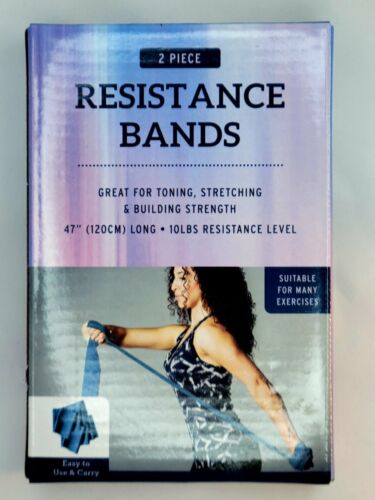
- Flat Therapy Bands: Open-ended strips, typically 1.2–1.5m long and 12–15cm wide, best for physiotherapy, pilates, and low-impact exercises. Resistance is lower (1–7kg), and they’re easier to manipulate for isolation work or joint-friendly movements.
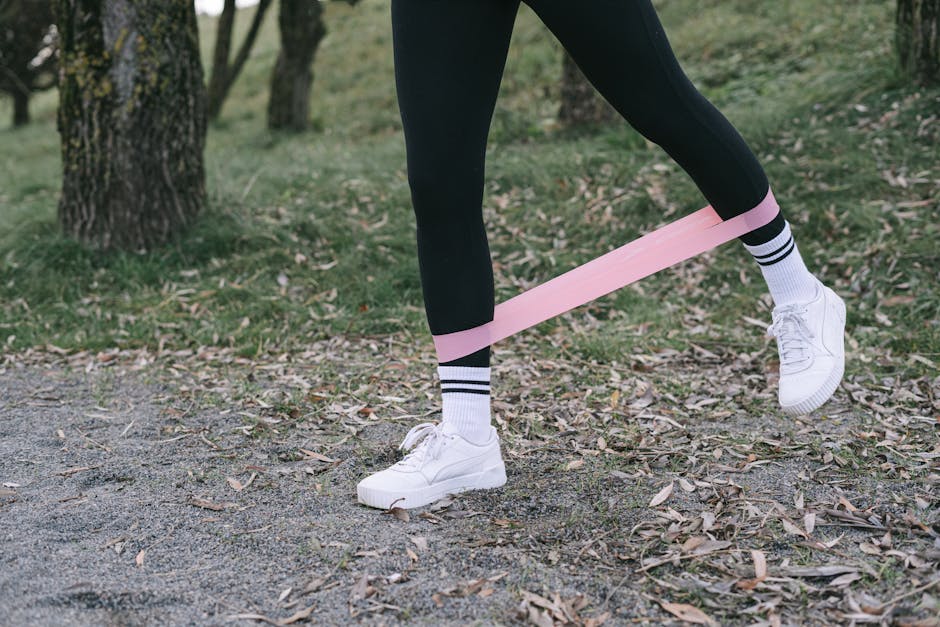
There are also mini-loops (for glute/hip work), tube bands with handles (for gym-like movements), and figure-8 bands (for specific rehab drills). But for most UK buyers, the biggest choice is between full-length loops and flat bands. If you want to progress from assisted pull-ups to deadlifts, only a full loop with enough tension will do. If you’re rehabbing a shoulder or need gentle resistance, flat bands are safer and more precise.
Shopping new with fast Prime shipping? Amazon usually has the best stock.
Shop on Amazon →How the Options Compare: Resistance Band Buying Profiles
| Buying Profile | Band Type & Size | Resistance Range | Best For | Key Trade-off |
|---|---|---|---|---|
| Heavy-duty strength training | 208cm closed-loop, 13–83mm wide | 15–70kg | Pull-ups, deadlifts, squats, powerlifting | Bulky to store, higher cost per band |
| Rehab & pilates | 1.2–1.5m flat band, 12–15cm wide | 1–7kg | Physio, stretching, gentle exercise | Not suitable for heavy loads |
| Travel & office use | Mini-loop, 30–60cm circumference | 2–15kg | Glute activation, quick mobility, on-the-go | Limited for upper body or full-body work |
| Home gym alternative | Tube band with handles, 1.2–1.5m | 5–25kg | Rows, presses, gym-style moves | Handles can fail under high tension |
| Budget-friendly multipack | Set of 3–5 flat bands, 1.2m each | 1–5kg per band | General fitness, families, first-timers | Lower durability, less suited for strength |
Why Resistance Ratings in Kilograms (Not Colours) Matter
Most UK resistance bands are colour-coded, but there’s no universal standard: a “red” band could mean 5kg or 15kg, depending on the brand. What actually counts is the stated resistance, usually given as a range in kilograms at maximum stretch (e.g. 15–30kg). For looped bands, this is determined by width — a 32mm band often delivers around 25–35kg, while a 64mm band can exceed 50kg.
If you’re planning to use bands for strength work (like deadlifts or pull-ups), check the product listing for a real resistance range in kg. For rehab or pilates, you want bands in the 1–5kg range, ideally with the value specified at a standard stretch (often 100% elongation). Never trust colour alone — always look for quantifiable specs.
Latex vs. Fabric: Durability, Allergies, and Real-World Feel
Most serious bands are made from layered latex, which offers the best “snap” and long-term elasticity. Latex bands can last 5+ years if not left in direct sun or extreme cold, but they can trigger allergies in some users. Fabric bands (often polyester-cotton blends with rubber filaments) are gentler on skin and never roll up, but don’t stretch as far — a 30cm fabric mini-loop might double in length, while latex can triple.
For heavy, dynamic movements (deadlifts, pull-ups), latex is still the gold standard. For glute work or Pilates, fabric is more comfortable, especially if you hate bands rolling or pinching. If you’re allergic to latex, double-check that bands are labelled “latex-free” (often made from TPE or synthetic rubber), but expect slightly less elasticity.
When a Single Band Isn’t Enough: Stacking and Progression
No single resistance band covers every use-case. Most serious users end up with a set: a lighter band (5–15kg) for mobility and warm-ups, a medium (15–35kg) for lifts and rows, and a heavy (40kg+) for power moves or assisted pull-ups. Some full loop bands can be doubled up to increase resistance (e.g. using a 32mm and a 44mm together for 60kg+), but this requires careful handling to avoid slippage. Flat bands for rehab are best bought in multipacks, so you can progress from yellow (light) to blue (heavy) as you get stronger.
For home gyms, one or two full-length loops plus a mini-loop for glute work covers 90% of real-world exercises. Don’t be lured by “11-piece kits” unless you’ll genuinely use each band — the extras are often redundant or too flimsy for real strength work.
Common Mistakes: What Most UK Buyers Overlook
- Ignoring band length: A 1.2m band is too short for many full-body moves if you’re over 5’10” (178cm). For pull-up assistance or deadlifts, you need a 208cm loop (the “power band” standard).
- Trusting colour coding: Never assume a “green” or “black” band is heavy — check the resistance in kg, as UK and EU suppliers use different standards.
- Underestimating progression: Buying a single heavy band for assisted pull-ups, then realising it’s useless for shoulder rehab or lighter work. A mix of 2–3 bands is almost always more versatile.
- Overlooking material allergies: Latex is everywhere. If you have a sensitivity, opt for labelled latex-free or fabric bands only.
- Forgetting anchor options: If you want to anchor bands in a door, make sure the set includes a dedicated door anchor (usually a foam ball or strap) — DIY solutions often fail and can be dangerous.
What Actually Matters for Your Goals: Use-Case Breakdowns
- For assisted pull-ups: Only a 208cm loop band with minimum 32mm width (20–35kg resistance) will provide enough support for most adults. Lighter bands (13mm) suit advanced users for speed work, but not beginners.
- For physiotherapy: Flat bands, 1.2–1.5m, in the 1–3kg range allow precise, joint-friendly movements. Too much resistance can hinder recovery.
- For glute activation: Mini-loops (30–60cm), either latex or fabric, with 5–15kg resistance. Fabric options are more comfortable for repeated sets.
- For strength training: 208cm loops, ideally in a set from 13mm (5–15kg) up to 64mm (50kg+). Stack bands for progressive overload.
- For travel: Flat bands (1.2m) or mini-loops fit in a pocket and weigh under 100g. Choose latex for stretch, fabric for comfort.
See what’s available in each category and compare specifications before you buy.
Shopping new with fast Prime shipping? Amazon usually has the best stock.
Compare Options on Amazon →FAQ: Resistance Bands UK Buyers Actually Ask
What resistance band length is best for pull-ups?
A 208cm (circumference) closed-loop band is the standard for assisted pull-ups. Shorter bands won’t allow a full range of motion and can be dangerous if stretched beyond their limit. Look for widths of 32mm or higher for most adults needing genuine support.
Are fabric resistance bands better than latex?
Fabric bands are generally more comfortable, especially for lower-body work and longer sessions, as they don’t roll or pinch. Latex bands, however, stretch further and offer higher resistance levels, making them better for strength training and dynamic movements. Your choice depends on comfort, use-case, and any latex allergies.
Can resistance bands replace free weights?
For many home workouts, a well-chosen set of resistance bands can mimic the tension and progression of dumbbells or barbells, especially for isolation moves and high-rep training. However, bands don’t provide the same stability challenge or maximal load as free weights for heavy lifts.
How do I know what resistance level I need?
Choose resistance based on your main exercises: 1–3kg for rehab and mobility, 5–15kg for general fitness and glute work, and 20kg+ for strength training or assisted pull-ups. If in doubt, start with a multipack and move up as you get stronger. Always check the resistance value in kilograms, not just the band colour.
Are resistance bands safe for people with latex allergies?
Not all bands are latex-free. If you have a known allergy, look for bands specifically labelled as latex-free (often made from TPE or fabric). Fabric bands are safest but may not stretch as far as latex options.
How do I anchor resistance bands securely at home?
Many sets come with a door anchor (a foam ball or looped strap) designed to be wedged behind a closed door. This is safer than makeshift solutions. Always test the anchor before loading the band, and never anchor to sharp edges or unstable furniture.
Do resistance bands wear out or snap?
All bands degrade over time, especially if exposed to sunlight, sweat, or extreme temperatures. Inspect your bands for cracks or thinning before each session. Quality latex bands can last several years, while cheaper bands may need replacing after 6–12 months of regular use.
Choosing a Resistance Band Set That Actually Delivers Value
The best resistance band for you depends entirely on your goals, space, and sensitivity to materials. For strength and progression, prioritise a set of full-length loop bands with specified resistance ranges in kilograms, not just colours. For rehab or flexibility, flat bands in the 1–3kg range offer more control. Don’t be tempted by “one size fits all” claims — most users benefit from a mix of 2–3 bands, each suited for a specific purpose. Check current prices on multipacks and compare the real resistance specs before you commit. The right band isn’t just about price or popularity — it’s about matching your actual needs with quantifiable performance.
Current deals on eBay
Live prices · used & refurbished often lower.


Related Guides