Disclosure: As an Amazon Associate and eBay Partner Network publisher, we earn from qualifying purchases. This doesn’t affect what we recommend or how we describe it.
9 min read
Most parents don’t want another screen in their child’s bedroom. Yet the reality is, sleep problems are common in kids — and tracking devices are increasingly marketed as a way to help. Here’s the catch: most sleep tracking technology is designed for adults. The sensors, algorithms, and even the wearable form factors often don’t fit kids’ real needs. If you’re considering any kind of sleep tracking device for your child, the first thing to understand is that accuracy, comfort, and privacy trade-offs are very different from what you might expect with adult-focused trackers. The right choice depends as much on age, sensitivity, and your goals as it does on tech specs. For more detail, see Children and Sleep overview.
Why Track a Child’s Sleep? (And When Not To)
Before you compare options, it’s worth asking: what are you hoping to learn or change? For most families, the goal isn’t a clinical diagnosis but a better sense of whether a child is getting enough rest, how long they’re awake in the night, or if bedtime routines are working. Sleep tracking devices can provide patterns and clues, but none can diagnose sleep disorders or replace a pediatrician’s advice. In some cases, tracking can even add anxiety or disrupt sleep if a child becomes focused on the numbers. For preschoolers and younger, tracking is rarely useful unless advised by a healthcare provider. For older kids and tweens, objective data can help adjust routines — but only if the technology fits the child’s age, tolerance, and privacy needs. For more detail, see Sleep trackers information.
Shopping new with fast Prime shipping? Amazon usually has the best stock.
Shop on Amazon →How Sleep Trackers for Kids Actually Work — and Where They Fall Short
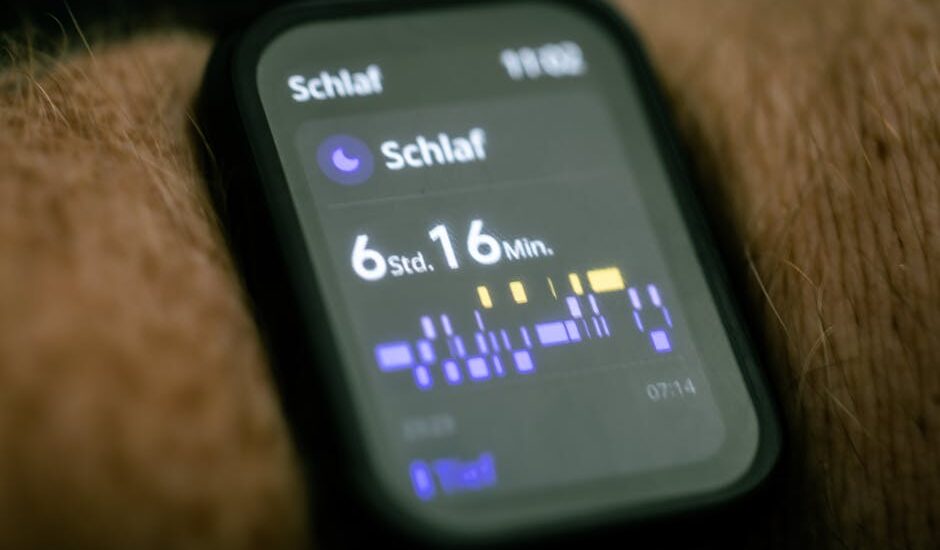
Most consumer sleep trackers use one of three main sensor types: accelerometers (movement detection), photoplethysmography (PPG, for heart rate and blood flow), or environmental sensors (sound, light, temperature). Adult wearables typically rely on wrist-based accelerometers and PPG, but these aren’t always accurate in smaller bodies. For kids under age 10, smaller wrists and more restless movement can throw off detection algorithms. Contactless devices — under-mattress sensors or bedside monitors — avoid the “wearable” problem, but may pick up signals from anyone else in the bed. Even the best devices have limitations: at-home trackers estimate sleep stages and duration with error rates of 15-30%, and there’s no consumer-grade device that reliably distinguishes between deep and light sleep in children. What these devices do well is flag broad trends: bedtime consistency, total sleep time, and how often a child is up in the night.
Types of Sleep Tracking Devices for Kids: What Actually Fits Real Life
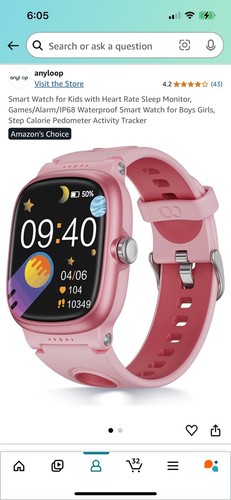
- Wearable trackers: These include wristbands, clip-ons, or rings sized for smaller wrists or fingers. Pros: direct, continuous monitoring; some models offer heart rate and SpO2 tracking. Cons: comfort issues (especially for sensory-sensitive kids), battery life usually 3-7 days, and algorithms often tuned for adult physiology.
- Under-mattress or bed strip sensors: Thin strips placed under the mattress, using pressure or piezo sensors to detect movement and sometimes breathing. Pros: no device on the child, up to ±5 minutes accuracy in sleep/wake detection, suitable for ages 3+. Cons: can miss short awakenings, not portable, can pick up signals from pets or siblings sharing a bed.
- Contactless bedside monitors: Use radar, infrared, or camera-based sensing. Pros: completely non-invasive, some models monitor room environment (temperature, humidity, noise). Cons: accuracy highly variable, privacy concerns, may require precise positioning.
- Smart sleep mats: Larger, mat-style sensors placed under the sheet. Pros: cover more surface area, can detect breathing pauses, some track heart rate. Cons: mattress compatibility varies, not ideal for very active sleepers, usually require power outlet.
For most families, under-mattress sensors or mats strike the best balance between accuracy and non-invasiveness for kids ages 3-12. Wearable options may work for older kids or teens, especially those already comfortable with watches or fitness bands. Bedside monitors are best reserved for situations where no other device is tolerated, keeping in mind the potential trade-offs in data quality and privacy.
How the Options Compare: Sleep Tracker Profiles for Kids
| Profile | Best For | Sensor Type | Child Comfort | Data Provided | Battery/Power | Notable Limitations |
|---|---|---|---|---|---|---|
| Wearable, slim-band style | Tech-comfortable tweens/teens (ages 10+) | Movement, heart rate (PPG) | May bother sensory-sensitive kids | Bedtime, total sleep time, sleep/wake periods, sometimes SpO2 | 3-7 days battery | Algorithms often tuned for adults; can be lost/removed at night |
| Under-mattress pressure strip | Kids ages 3-12, especially restless sleepers | Pressure/movement | No contact; child won’t notice | Sleep/wake, duration, movement, sometimes breathing | 6-12 months (coin cell) or plug-in | May misread pets/siblings; mattress thickness affects accuracy |
| Contactless bedside monitor | Children intolerant of wearables or mats | Radar/IR/camera, environmental | Completely non-contact | Sleep/wake, room environment, sometimes breathing | Plug-in | Setup sensitive; privacy concerns; accuracy variable |
| Smart sleep mat (full width) | Kids with specific breathing concerns | Pressure, sometimes piezo-electric | No contact | Sleep/wake, movement, breathing rate | Plug-in | Not portable; may miss subtle awakenings |
What Specs Actually Matter for Children’s Sleep Tracking
Ignore adult-focused marketing about “advanced sleep stage detection.” For kids, the most meaningful data points are:
- Total sleep time: Most devices estimate this within ±30 minutes, but look for those with peer-reviewed validation in children. Under-mattress sensors tend to be most accurate in this regard.
- Bedtime and wake time consistency: Devices that time-stamp sleep onset and wake-up (within 5-10 minute precision) are most useful for tracking routine changes.
- Number and duration of nighttime awakenings: For kids who wake frequently, look for devices that can detect awakenings of at least 3-5 minutes. Many wearables miss brief arousals.
- Comfort and tolerance: For wearables, the device should weigh under 20g and have an adjustable strap that fits wrists as small as 110mm circumference. For mats/strips, thickness under 2mm is ideal to avoid feeling it through the mattress.
- Battery and power: Under-mattress sensors with coin cell batteries typically last 6-12 months; wearables need charging every 3-7 days; plug-in mats/monitors require outlet access but offer constant monitoring.
- Data privacy: Devices storing data locally (not uploading to cloud) are preferable for children’s bedrooms. Always review the company’s privacy policy for specifics on data sharing and retention.
See what’s available in non-wearable sleep trackers designed specifically for kids.
Privacy, Data Security, and What Parents Need to Know
Unlike adults, children can’t consent to data collection. Devices with microphones or cameras (including some contactless monitors) introduce privacy risks if not properly secured. Even non-audio trackers may upload sleep data to servers outside your control. Look for devices with local-only storage, or those that allow you to review and delete data via a parent account. Avoid any tracker that streams live video or audio to the cloud. When in doubt, use sleep tracking as a temporary tool — not a permanent fixture in your child’s room.
Common Mistakes: What Not to Do When Using a Sleep Tracker for Kids
- Over-interpreting sleep stages: No consumer device can reliably distinguish REM from non-REM in children. Focus on total sleep and awakenings, not “deep” or “light” sleep graphs.
- Making big changes based on a single night’s data: Children’s sleep varies night to night. Look for patterns over at least a week before adjusting bedtime or routines.
- Ignoring comfort and consent: Forcing a child to wear a device they dislike can backfire, worsening sleep or causing anxiety around bedtime.
- Leaving trackers in place indefinitely: Use tracking for a defined period (e.g., two weeks) to answer a specific question, then remove the device to avoid obsessing over numbers.
For families troubleshooting sleep, consider combining tracker data with a simple paper sleep diary. This helps contextualize the numbers and involves the child in understanding their own sleep patterns.
Related Guides
- Best Sleep Tracking Devices 2026: Our Top Picks
- Adjustable Beds vs Wedge Pillows: Which Is Better for Sleep Comfort?
- Weighted Blankets for Kids: What Parents Need to Know Before Buying
- The Best Portable Sleep Sound Machines for Restful Nights Anywhere
- Smart Sleep Masks With Bluetooth: What to Know Before You Buy
- Browse all Educational Guides →
When to Consider Consulting a Professional Instead of Relying on a Tracker
If your child snores loudly, stops breathing during sleep, has frequent night terrors, or you notice persistent daytime sleepiness, a consumer tracker cannot diagnose the problem. In these cases, consult a pediatrician who may refer you for a clinical sleep study (polysomnography) — the only way to definitively assess sleep disorders in children. Home trackers may supplement observations but should never replace medical evaluation for concerning symptoms.
Check current prices for under-mattress and mat-style trackers if you’re looking to support a pediatrician’s recommendations.
Shopping new with fast Prime shipping? Amazon usually has the best stock.
Compare Options on Amazon →FAQ: Real-World Questions About Sleep Tracking Devices for Kids
Do sleep trackers for kids actually work?
They can reliably estimate total sleep time and bedtime consistency, especially under-mattress sensors or mats designed for children. However, no consumer device can accurately diagnose sleep disorders or pinpoint sleep stages in kids. Use them as a tool for tracking trends, not for clinical decisions.
Are wearables safe for children?
Most wearables use low-power Bluetooth and are generally considered safe, but some children may experience skin irritation or discomfort, especially if worn tightly. For younger kids or those with sensory sensitivities, non-contact options like under-mattress sensors are usually better tolerated.
How old should a child be to use a sleep tracker?
Most experts recommend sleep tracking only for children ages 3 and up, as infants and toddlers have variable sleep patterns that devices struggle to interpret. For kids under 6, non-wearable options are typically safer and more comfortable.
How accurate are these devices for children?
Accuracy varies by type. Under-mattress sensors can estimate sleep/wake times within ±5-10 minutes for most children. Wearables are less reliable for younger kids due to movement and smaller size. No consumer tracker is clinically validated for detailed sleep stage detection in kids.
Can sleep trackers help with bedtime struggles?
They can reveal patterns — such as late bedtimes or frequent awakenings — that inform changes to routines. However, the device itself won’t solve bedtime resistance. Use tracking data as one piece of the puzzle, alongside consistent routines and good sleep hygiene.
Is my child’s sleep data private?
It depends on the device. Options with local data storage (not cloud) and robust parental controls are best for privacy. Always read privacy policies, and avoid trackers with microphones or cameras unless absolutely necessary and fully secured.
Who Should (and Shouldn’t) Buy a Sleep Tracking Device for Their Child
Consider a sleep tracking device if you have a child ages 3-12 who struggles with bedtime or nighttime awakenings, and you want objective data to guide routine changes. Avoid these devices for children under 3, or if your child is highly sensitive to wearable devices. If you have clinical concerns — such as suspected sleep apnea, severe snoring, or persistent daytime sleepiness — skip consumer trackers and consult a pediatrician directly.
Compare today’s deals on sleep trackers tailored to family use cases.
The Bottom Line: A Practical Take on Sleep Trackers for Kids
Sleep tracking devices for kids can offer real value — but only when chosen with a clear goal, realistic expectations, and an age-appropriate design. For most families, non-wearable options like under-mattress sensors or smart mats provide the best mix of comfort and actionable data. Don’t get distracted by promises of “deep sleep” scores or advanced analytics. Focus on broad patterns, prioritize privacy, and use the data to support healthy routines, not to drive anxiety. For persistent or severe sleep issues, nothing replaces professional medical input.