9 min read
Disclosure: As an Amazon Associate and eBay Partner Network publisher, we earn from qualifying purchases. This doesn’t affect what we recommend or how we describe it.
Electric callus removers and pumice stones both promise smoother, softer feet, but they serve very different users: those who want fast, low-effort results with minimal mess; those who prefer a traditional, hands-on approach; and people with sensitive skin or specific foot concerns looking for the safest option. The best choice hinges on your skin type, tolerance for gadgets, and how much time you’re willing to spend on foot care. Understanding how these tools actually perform—and what they demand in terms of cost, upkeep, and skin safety—makes all the difference.
What distinguishes an electric callus remover from a pumice stone?
At first glance, both tools tackle rough skin and calluses, but their mechanisms and user experience couldn’t be more different. An electric callus remover uses a motorized abrasive head—most models spin between 1,500 and 2,500 RPM—to grind away thickened skin. This process is fast and requires almost no elbow grease, but it generates dust and needs batteries or charging. In contrast, a pumice stone is a naturally porous volcanic rock. You use it manually, rubbing it across damp skin to slowly slough off dead cells. It’s silent, needs no power, and offers more control, but achieving the same results takes longer and more physical effort.
How the options compare: a side-by-side breakdown
| Tool Type | Best For | Time per Session | Skin Removal Control | Maintenance | Price |
|---|---|---|---|---|---|
| Electric callus remover | Thick, stubborn calluses; quick results | 2–5 minutes | Moderate—abrasion can be intense (1,500–2,500 RPM) | Replace rollers every 3–6 months; frequent cleaning | $$–$$$ |
| Pumice stone | Light to moderate roughness; sensitive skin | 5–10 minutes | High—you control pressure and speed | Rinse after use; replace yearly | $ |
| Manual foot file (for context) | Targeted smoothing; travel-friendly | 5–8 minutes | High—precise but requires effort | Clean after each use | $–$$ |
Pricing context: $, $$, and $$$ are relative ratings against the other products listed above, not absolute dollar ranges. Live current prices follow below.
Related Guides
- Our guide to Electric Facial Cleansing Brushes That Are Actually Worth Buying
- Our guide to Electric Foam Rollers That Are Worth It: Our Top Picks and Reviews
- Our guide to Electric Foot Baths Worth Buying: Features, Benefits, and Top Picks
- Electric Pill Crushers That Are Worth Buying
- Our guide to Electric Heating Pads Worth Trying for Effective Pain Relief
- How to Charge an Electric Heating Pad: Step-by-Step Instructions
- Browse all Device Comparisons →
Who benefits most from each tool?
Electric callus removers are ideal for people with thick, hard calluses—often those who run, hike, or spend hours on their feet. These devices can remove noticeable roughness in a single session, making them attractive for users who want quick, visible changes. However, the motorized action means less tactile feedback, so it’s easier to overdo it on thin or sensitive skin. If you have diabetes, neuropathy, or poor circulation, professional guidance is essential before using any motorized foot tool due to heightened risk of injury.
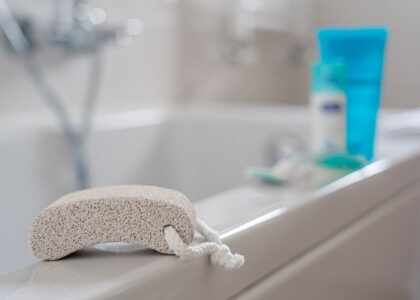
Pumice stones suit those with mild roughness or sensitive skin. You’re less likely to cause microtears or raw spots, since you control the pressure and can stop instantly if it feels uncomfortable. Pumice stones are also a staple for eco-conscious users: they’re reusable, biodegradable, and require no batteries or electricity. For people who enjoy the ritual of self-care, the process of soaking and gently rubbing with a pumice stone can be more relaxing than a noisy, whirring gadget.
Real-world performance: what actually matters for smooth feet
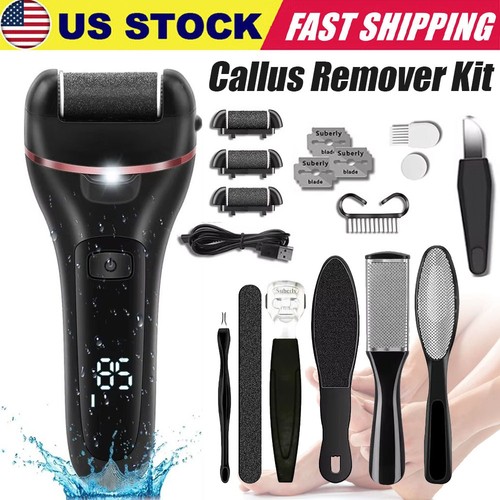
Electric callus removers excel at speed and consistency. Most models can remove several millimeters of thickened skin in under five minutes. The abrasive rollers (often made of micro-mineral particles or synthetic diamond grit) come in varying coarseness, letting you choose between aggressive removal and gentle smoothing. However, because the device operates at fixed speeds, it’s easy to press too hard and generate heat or friction burns—especially on thinner skin. Look for models with speed settings (typically 2–3 levels) if you want more control.
Pumice stones, by contrast, offer unmatched tactile feedback. The porous surface (with pore sizes typically ranging from 0.5–2 mm) gently buffs away dead skin without risk of over-exfoliation, provided you use it on wet skin. You’ll need to spend more time—usually 5–10 minutes per session—and multiple sessions for severe calluses. The trade-off is a lower risk of accidental injury. For best results, soak your feet in warm water for at least 10 minutes before use, and always keep the stone wet during exfoliation to minimize irritation.
Mess, noise, and cleanup: what to expect in daily use
Electric callus removers create visible dust as they grind away dry skin. Some models include a built-in vacuum or collection chamber, but most require you to use them over a towel or trash can. Noise levels range from 50–70 dB (about the volume of a normal conversation). Cleanup involves removing the roller, rinsing it thoroughly, and disinfecting the device to prevent bacterial growth. If you’re sharing the tool with others, this step is non-negotiable.
Pumice stones are silent and produce minimal mess—they work best on damp, softened skin, so dead skin simply washes away. Rinse the stone after each use to prevent buildup. Over time, pumice can become clogged with skin debris or soap; a deep clean with boiling water or a diluted bleach solution every few weeks keeps it hygienic. Replace the stone when it becomes smooth or starts crumbling (typically after 6–12 months, depending on frequency of use).
Longevity, hygiene, and replacement cycles
Electric callus removers require more frequent part replacement. The abrasive rollers lose effectiveness after 20–40 uses (about 3–6 months for most users), and replacement heads are a recurring cost. Batteries or internal rechargeable cells also degrade over time—expect 1–3 years of reliable use before charging capacity drops. Hygiene is a concern: always clean the roller and housing after each use, especially if you have open cracks or fungal issues. Some models are water-resistant (rated IPX5–IPX7), making cleaning easier, but immersion is rarely recommended.
Pumice stones last longer, with most users replacing them once a year. They’re inherently antimicrobial, but not immune to bacterial or fungal buildup if stored wet. Always let your stone dry completely between uses. For households with multiple users, assign a separate stone to each person to avoid cross-contamination.
Total cost of ownership
The sticker price rarely tells the full story—especially for electric footcare devices. Here’s a breakdown of ongoing or hidden costs you should factor in:
- Replacement rollers (electric): Expect to buy new abrasive heads every 3–6 months. Annual cost: moderate, depending on frequency and brand.
- Batteries or charging (electric): Rechargeable models save on disposable batteries but will eventually need a replacement battery or power cord. Annual cost: low to moderate.
- Cleaning supplies: Both tools require cleaning, but electric models may need disinfecting wipes or sprays. Annual cost: low.
- Pumice stone replacement: Budget for a new stone every 6–12 months. Annual cost: minimal.
- Accessory add-ons: Some electric models offer finer or coarser rollers, or extra attachments. Optional, but can increase total spend.
Factoring in these expenses helps you compare true value, not just upfront cost. See what’s available if you want to gauge current deals on both types.
When to skip electric: safety and skin health considerations
Motorized callus removers are not for everyone. If you have thin, fragile skin, peripheral neuropathy, or a history of foot ulcers, the risk of over-exfoliation or injury is much higher. Even healthy users should avoid using these devices on broken skin, warts, or areas with fungal infection, as the abrasive action can spread pathogens. For those with medical conditions affecting the feet, consult a healthcare provider before using any powered footcare tool. The American Podiatric Medical Association recommends gentle manual exfoliation for most people with diabetes or circulatory issues.
Pumice stones, while gentler, are not completely risk-free. Overuse can cause irritation or microabrasions, especially if you skip pre-soaking or use excessive pressure. Always inspect your feet and the stone before use, and stop at the first sign of discomfort.
FAQ: electric callus remover vs pumice stone
Which tool removes calluses faster—electric or pumice?
Electric callus removers work significantly faster, often smoothing thick calluses in 2–5 minutes. Pumice stones require more time and multiple sessions for similar results, but offer more control and less risk of over-exfoliation.
How long does a typical pumice stone last with weekly use?
A quality pumice stone lasts about 6–12 months with weekly use before it becomes too smooth or starts breaking apart. Its lifespan depends on how aggressively it’s used and how well it’s cleaned and dried between uses.
Can electric callus removers be used on wet skin?
Some electric callus removers are water-resistant and designed for use on damp skin, but most perform best on dry feet. Always check the device’s IP rating and manufacturer guidelines; using a non-waterproof model on wet skin can damage the motor or pose a shock risk.
Which is safer for sensitive or thin skin?
Pumice stones are generally safer for sensitive or thin skin, since you control the pressure and can stop instantly. Electric removers can be too aggressive, potentially causing burns or microtears if not used carefully, especially on delicate areas.
Are there recurring costs with electric callus removers?
Yes—electric models require replacement rollers every 3–6 months and may need new batteries or charging cables over time. These ongoing costs add up compared to the minimal replacement cost of a pumice stone.
Electric callus remover vs pumice stone: which is better for athletes?
Athletes with thick, stubborn calluses often find electric removers more efficient, as they can handle heavy buildup quickly. However, for daily maintenance or sensitive areas, a pumice stone may be preferable to avoid over-thinning protective skin layers.
What’s the best option for travel or on-the-go use?
Pumice stones and manual foot files are more travel-friendly—lightweight, compact, and no need for batteries or charging. Electric removers are bulkier and may not be allowed in carry-on luggage due to built-in batteries.
The bottom line: which should you choose?
If you want fast results and have tough, thick calluses, an electric callus remover is the clear winner—just budget for replacement rollers and take hygiene seriously. For those with sensitive skin, light roughness, or a preference for low-tech, eco-friendly solutions, a pumice stone is hard to beat. Most households benefit from having both: electric for periodic deep smoothing, pumice for weekly maintenance. Choose based on your skin type, comfort with gadgets, and willingness to keep up with cleaning and part replacement. Compare today’s deals to find the right fit for your routine.


Last updated: July 2026 · About our research