9 min read
Most people who search for guidance on weaning off CPAP aren’t looking for a refresher on what sleep apnea is, or a generic overview of CPAP machines. They want to know: is it truly possible to stop using CPAP safely, what does it take, and what are the real-world alternatives? The answer is more nuanced than most sources admit. There’s no one-size-fits-all process, and the stakes—your sleep quality, daytime function, and long-term health—are real. Yet, some people do successfully reduce or even eliminate their dependence on CPAP, but only with a clear understanding of what’s required, what risks are involved, and which alternative therapies actually have evidence behind them. For more detail, see CPAP therapy overview and guidance.
Why Most Attempts to Quit CPAP Fail
Stopping CPAP isn’t just about willpower or frustration with the equipment. Obstructive sleep apnea (OSA) is a physiological condition: the airway collapses or becomes blocked during sleep, causing repeated drops in blood oxygen and fragmented rest. CPAP works by delivering a precisely calibrated air pressure—usually between 4-20 cmH₂O—to keep your airway open. Most non-CPAP alternatives do not deliver this same level of pressure, and the effectiveness of lifestyle changes or devices varies widely. For more detail, see Continuous positive airway pressure (CPAP).
People often try to stop CPAP after losing weight, undergoing surgery, or switching to oral appliances, only to find their symptoms return. Without a formal re-evaluation (such as a repeat sleep study or at-home oximetry), it’s easy to underestimate how much untreated sleep apnea can impact your health—raising your risk of hypertension, arrhythmias, and impaired cognition.
Interested in exploring the category?
Who Actually Might Succeed in Weaning Off CPAP?
Most adults with moderate or severe OSA (defined as an apnea-hypopnea index, or AHI, of 15 or more events per hour) will not be able to safely discontinue CPAP without significant intervention. However, there are three categories of people who may have a realistic shot:
- Those who have lost at least 10-15% of their body weight: Even a 10% reduction in body mass can lower AHI by up to 25%, but this won’t always normalize breathing events.
- People with mild OSA (AHI 5-14): Some can switch to oral appliances or positional therapy with success, but this usually requires follow-up testing.
- Individuals who undergo upper airway surgery: Procedures like UPPP or hypoglossal nerve stimulation may reduce AHI, but success rates and side effects vary.
For everyone else, abrupt cessation of CPAP is likely to result in a return of symptoms—even if you don’t notice them right away.
How the Main Alternatives to CPAP Actually Compare
Below is a detailed comparison of the most common CPAP alternatives and weaning strategies, based on real-world clinical data and user experience. This table is not a substitute for a physician’s guidance, but it highlights what to expect in terms of effectiveness, monitoring needs, and suitability for different profiles.
Comparison of CPAP Weaning Approaches
| Approach | Expected AHI Reduction | Best For | Monitoring Required | Key Limitations |
|---|---|---|---|---|
| Oral Appliance Therapy (MADs) | 30-60% reduction; rarely normalizes AHI in severe OSA | Mild-moderate OSA, CPAP intolerance, BMI <32 | Repeat sleep study or home oximetry | Jaw discomfort, dental changes, not effective for all |
| Positional Therapy | Up to 50% reduction if OSA is position-dependent | Supine-dependent OSA, mild-moderate severity | At-home sleep monitoring | Often fails over time, requires consistent use |
| Weight Loss (≥10% body weight) | Up to 25% AHI reduction; rarely curative alone | Overweight/obese adults, motivated for lifestyle change | Repeat sleep study to confirm effect | Slow process, results not guaranteed |
| Upper Airway Surgery | 30-60% AHI reduction; highly variable | Failed conservative therapy, anatomical obstruction | Post-op sleep testing | Surgical risks, variable outcomes, expensive |
| Gradual Pressure Reduction | Unpredictable; may worsen symptoms | Those seeking to test CPAP necessity | Symptom tracking, oximetry, or sleep study | Not a long-term solution without alternatives |
What Actually Happens When You Stop Using CPAP
Most people experience a rapid return of sleep apnea symptoms within days of discontinuing CPAP. The classic signs—loud snoring, choking/gasping, morning headaches, dry mouth, and daytime sleepiness—may return gradually or suddenly. However, 10-30% of people with OSA experience “symptomless” episodes, meaning you may not notice a change in how you feel, even if your AHI and oxygen desaturation worsen.
Objective monitoring is crucial. Home pulse oximeters with overnight recording (tracking SpO₂ dips below 88%) or at-home sleep study kits can provide hard data on whether your breathing events are returning. If your oxygen saturation drops below 90% for more than 5 minutes per night, or if your AHI rises above 15, these are clear signs that your OSA is not controlled off CPAP.
Step-By-Step: Safely Testing Whether You Can Wean Off CPAP
Here’s a concrete, evidence-informed approach for adults who want to attempt reducing or eliminating CPAP. This process is not a replacement for clinical care, but it can help you have a more informed discussion with your sleep specialist:
- Document Baseline Data: Record your current AHI, lowest oxygen saturation, and CPAP pressure settings (typically 6-15 cmH₂O for most users).
- Implement Alternative Therapy: If switching to an oral appliance, positional device, or after significant weight loss, ensure you have access to overnight monitoring (either via a loaner home sleep test, or a validated pulse oximeter with data export).
- Trial Period (2-4 Weeks): Discontinue CPAP under monitoring. Log symptoms (snoring, choking, morning headaches, fatigue) and collect nightly oximetry data. If symptoms worsen or oxygen drops below 90% for more than 5 minutes, consider resuming CPAP.
- Repeat Objective Testing: After 2-4 weeks, arrange a formal sleep study (polysomnography or home sleep apnea test) to assess your new AHI and oxygenation. If your AHI remains below 5-10 and oxygenation is stable, you may be a candidate to remain off CPAP.
- Schedule Ongoing Follow-Up: Most sleep specialists recommend re-testing at 6-12 month intervals, especially if you gain weight, develop new symptoms, or change therapies.
The single most common mistake: relying solely on how you feel. Many adults underestimate the severity of their OSA because they adapt to chronic sleep deprivation.
Common Pitfalls and Misconceptions
It’s easy to find advice online promising quick fixes—pillows, nasal strips, or “natural” supplements—but very few non-CPAP interventions have robust clinical evidence. Key misconceptions include:
- “I lost weight, so my OSA is gone.” While weight loss helps, only a minority of people normalize their AHI with weight loss alone.
- “I snore less, so I’m cured.” Snoring reduction does not always mean apnea events are controlled. Silent apneas are common.
- “Oral appliances work for everyone.” These are most effective for mild to moderate OSA. In severe OSA (AHI >30), success rates drop below 50%.
- “Surgery guarantees a cure.” Even after palate or tongue base surgery, up to 60% of adults still require some form of therapy.
Be wary of any solution that does not include objective follow-up testing.
What Type of Monitoring Do You Actually Need?
Objective monitoring is the only way to know if you’re successfully weaning off CPAP. The gold standard is a repeat sleep study (polysomnography), but these can be expensive and require a referral. Many sleep clinics now offer home sleep apnea tests, which measure AHI, oxygen desaturation, and heart rate. For ongoing self-monitoring, look for a home-use pulse oximeter that records SpO₂ overnight (ideally with data export in CSV or PDF format), and can detect desaturation events below 88%.
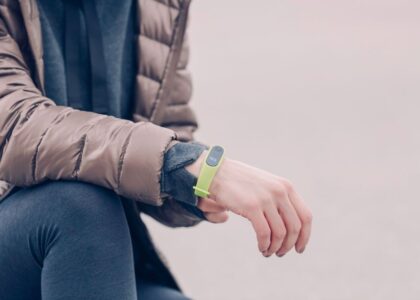
Wearable trackers that claim to monitor “sleep quality” using algorithms and movement sensors are not accurate enough to detect sleep apnea or assess whether you can safely stop using CPAP.
for clinical-grade home oximeters and sleep testing devices that can help you track your progress.
How to Talk With Your Sleep Specialist About Weaning Off CPAP
Your sleep provider’s primary concern is your long-term health, not just your comfort with the device. Come prepared with your recent AHI, oxygenation data, and any alternative therapies you’ve tried. Ask for a home sleep apnea test to objectively assess your current status. If you’re considering oral appliance therapy, seek referral to a dentist with expertise in sleep medicine. If surgery is on the table, ask about expected AHI reduction rates and the likelihood of needing adjunctive therapy post-op.
If you want to self-monitor, bring printouts of your overnight oximetry data. Most providers will take your request more seriously if you demonstrate a data-driven approach.
on sleep monitoring kits that you can use at home before your next appointment.
Real-World Scenarios: Who Should Not Attempt to Wean Off CPAP
Certain groups are at higher risk if they attempt to stop CPAP without a medical plan:
- People with severe OSA (AHI >30): These individuals have the highest risk for cardiovascular complications if untreated.
- Those with co-existing heart failure, atrial fibrillation, or uncontrolled hypertension: Untreated OSA worsens these conditions.
- People who drive commercially or operate heavy machinery: Daytime sleepiness can have life-threatening consequences.
For these populations, weaning off CPAP should only be considered with close medical supervision and objective testing.
View options for alternative sleep apnea therapies that may be appropriate if you cannot tolerate CPAP, but always consult your provider first.
Frequently Asked Questions About Weaning Off CPAP
Can I stop using CPAP if I feel better after losing weight?
Weight loss can improve OSA severity, but it rarely eliminates the condition entirely. A repeat sleep study is the only way to confirm if your apnea events have resolved enough to safely discontinue CPAP.
Are oral appliances as effective as CPAP for sleep apnea?
Oral appliances can reduce AHI by 30-60% in mild to moderate OSA, but they are less effective than CPAP for severe cases. They also require custom fitting and regular follow-up to ensure ongoing effectiveness.
How quickly will my symptoms return if I stop using CPAP?
Many people experience a return of symptoms within days, though it can take up to a week or more. Some may not notice symptoms but still have dangerous drops in oxygen saturation during sleep.
What is the safest way to test if I can sleep without CPAP?
The safest approach is to use overnight oximetry or a home sleep study while off CPAP, ideally after implementing alternative therapies or significant weight loss. Monitoring for oxygen desaturation and AHI is crucial.
Do wearable fitness trackers accurately detect sleep apnea events?
No, most consumer fitness trackers cannot reliably measure apnea events or oxygen desaturation. Clinical-grade sleep studies or validated home oximeters are required for accurate assessment.
Is it dangerous to stop CPAP suddenly?
For those with moderate to severe OSA, abrupt cessation can increase the risk of cardiovascular issues and daytime sleepiness. Always discuss with your provider and monitor objectively if you attempt to reduce CPAP use.
Bottom Line: Most People Need Ongoing Monitoring—Not Just Hope—When Weaning Off CPAP
Weaning off CPAP is possible for a select group, but it’s never as simple as “feeling better” or switching to a different device. The gold standard is objective testing: track your AHI, oxygen levels, and symptoms with clinical-grade tools, and partner with your sleep specialist for a data-driven plan. If you’re determined to try, do it with eyes wide open—your long-term health depends on more than just a good night’s sleep.
Related Guides
- Our guide to How to Set Up a CPAP Machine: A Step-by-Step Guide
- Our guide to Mouth Guards for Teeth Grinding: What to Know Before You Buy
- How to Clean Fitness Mats: Tips for a Germ-Free Workout Space
- Electric Facial Cleansing Brushes That Are Worth Adding to Your Routine
- How to Charge an Electric Heating Pad: A Step-by-Step Guide
- Browse all Educational Guides →