
10 min read
Disclosure: As an Amazon Associate and eBay Partner Network publisher, we earn from qualifying purchases. This doesn’t affect what we recommend or how we describe it.
How do you know if a smart inhaler is really worth the extra cost and complexity compared to a standard asthma inhaler? The answer depends on what you need: better tracking, reminders, sharing data with your doctor, or just peace of mind that you’re using your medication correctly. Smart inhalers promise all of this, but the features, accuracy, and ease of use vary much more than most marketing suggests. Here’s what actually matters when choosing a smart inhaler—and how to tell which type fits your asthma management style.
Spot the difference between smart inhalers and traditional inhalers
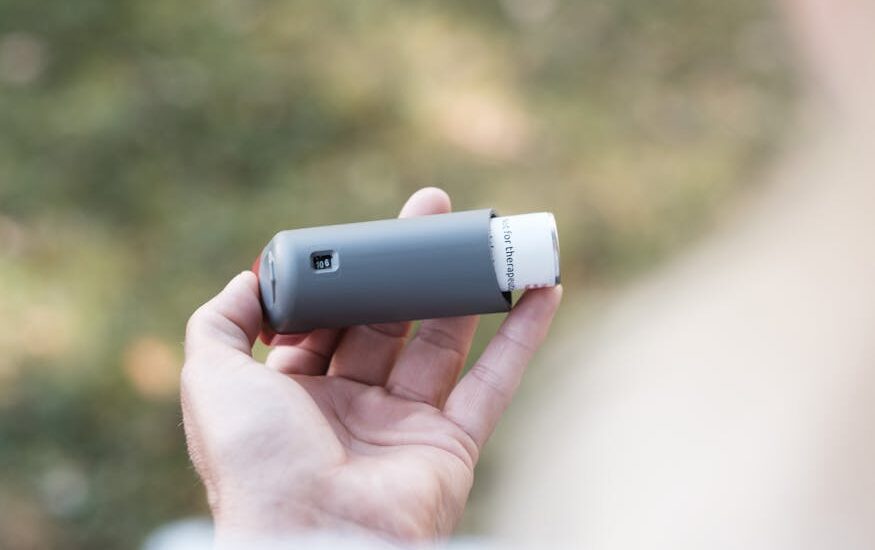
At their core, smart inhalers add a layer of technology—usually sensors and Bluetooth connectivity—to a standard metered-dose or dry powder inhaler. This tech tracks how often you use your inhaler, can send reminders to your phone, and may even help detect incorrect technique (like not inhaling with enough force). Traditional inhalers simply deliver medication with no tracking or feedback. The main appeal of smart inhalers is in data: they can show you usage patterns, adherence rates, and sometimes even environmental triggers if paired with weather or pollen data.
But not every smart inhaler does all of this. Some only log puffs; others offer full app integration, medication reminders, and data sharing. A few go further, measuring inspiratory flow (how strongly you breathe in), which is critical for certain dry powder inhalers. Understanding these distinctions is key—especially since most smart inhalers require pairing with a specific app and may not be compatible with every medication type or inhaler brand.
Choose the right smart inhaler profile for your needs
Not all smart inhalers are built for the same user. Here’s how the main categories break down:
- Basic tracker add-ons: Clip-on sensors that attach to your existing inhaler, logging each actuation (puff) and sending data to your phone. These generally don’t detect inhalation technique or flow rate. Battery life is often 6-12 months, with replaceable coin cells. Accuracy for puff detection is typically within ±1 actuation per 100 uses.
- Integrated smart inhalers: Inhalers with built-in electronics—no add-on required. These can monitor usage, send reminders, and often support medication-specific data (e.g., dose counters for maintenance inhalers). Some include sensors to detect orientation or shake (for inhalers that require priming). Battery life ranges from 6 months to 2 years, depending on data sync frequency and notification settings.
- Technique-aware devices: These go a step further by measuring inspiratory flow rate (commonly 30–90 L/min), which is crucial for dry powder inhaler efficacy. They can alert you if you’re not inhaling forcefully enough, a common real-world problem. Expect shorter battery life (3–6 months) due to more frequent sensor use, and slightly bulkier form factors.
- App-agnostic sensors: A few devices are designed to work with any inhaler and multiple app ecosystems (iOS, Android, sometimes desktop portals). These prioritize cross-compatibility but may sacrifice advanced features like technique feedback or environmental tracking.
Before picking a smart inhaler, it’s wise to check not just what it tracks, but how you’ll actually use the data. Will you share it with your healthcare provider? Use reminders to reduce missed doses? Or just want a simple log for your own awareness?
How the options compare: smart inhaler types side by side
| Type | Core Feature | App Integration | Technique Feedback | Battery Life | Price |
|---|---|---|---|---|---|
| Basic tracker add-on | Logs puffs (±1/100 accuracy) | Single app, limited sharing | No | 6–12 months | $ |
| Integrated smart inhaler | Usage + reminders | Dedicated app, provider sync | Sometimes (shake/orientation) | 6–24 months | $$ |
| Technique-aware device | Logs puffs + flow (30–90 L/min) | Full-featured app, exportable data | Yes (real-time feedback) | 3–6 months | $$$ |
| App-agnostic sensor | Logs puffs, cross-platform | Multiple apps, desktop support | No | 9–18 months | $$ |
Price tiers ($/$$/$$$) read across this comparison only — they mark each product’s relative position from cheapest to priciest in the set. Actual prices live below.
Related Guides
Dig into what specs actually matter for asthma management
Many people assume “smart” means better, but that’s not always true for asthma. Here’s what to scrutinize before you buy:
- Puff logging accuracy: Most smart inhalers claim accuracy within ±1 actuation per 100 puffs. This is usually good enough for adherence tracking, but if you rely on precise dosing (e.g., for rescue inhalers), even small errors add up over time. Look for published validation data—some brands have peer-reviewed studies confirming their accuracy, while others don’t.
- Battery life and charging: Disposable battery models last 6–24 months, while rechargeable options typically run 1–2 weeks per charge. If you’re likely to forget to recharge, stick with long-life disposables. For add-ons, check whether batteries are user-replaceable (standard CR2032 or similar) or require full replacement of the unit.
- Inspiratory flow detection: For dry powder inhaler users, this spec is crucial. Devices measuring 30–90 L/min flow rates can alert you if your inhalation isn’t strong enough to deliver a full dose. For metered-dose inhalers, this is less critical, but some people (especially children and older adults) benefit from technique feedback.
- Data privacy and export: If you plan to share data with your doctor or sync it with other health apps, check export formats (CSV, PDF, FHIR). Some platforms allow direct provider access; others only export via email. Read the privacy policy—some smart inhaler apps collect more data than you might expect.
- Medication and device compatibility: Not every smart sensor fits every inhaler. Always verify your medication type (metered-dose, dry powder, soft mist) and inhaler shape before buying. Some add-ons only fit round canisters; others have swappable adapters for different brands. Integrated smart inhalers are often single-medication only.
Independent validation matters here. Look for references to peer-reviewed studies—devices with clinical backing are more likely to deliver on accuracy and usability claims. The American Lung Association maintains general guidance on inhaler use and can be a useful resource when evaluating new tech.
Understand the clinical context: where smart inhalers make a real difference
Clinical studies consistently find that medication adherence drops off within months for many asthma patients, especially when symptoms are under control. Missed doses can lead to flare-ups, hospitalizations, and increased healthcare costs. Smart inhalers address this by tracking every use and sending reminders—one study found smart inhaler users increased adherence by 15–25% over standard care. This is most impactful for:
- Children and teens: Where parents or caregivers want to monitor use remotely.
- People with frequent exacerbations: Who need close tracking to adjust care plans.
- Patients on complex regimens: Especially those using multiple inhalers (controller plus rescue), where tracking which is used, and when, is crucial.
However, not everyone benefits equally. If you’re already highly adherent, a smart inhaler may add little value. Technique-aware devices are most useful if you’ve been told you’re not using your inhaler correctly (common with dry powder inhalers—up to 40% of users have suboptimal technique). Those who dislike technology or worry about privacy may find the extra features more hassle than help.
For a deeper dive into the clinical evidence, see the National Heart, Lung, and Blood Institute, which supports research on digital asthma management.
Quick decision tree
- If you just want basic tracking and reminders: Choose a basic tracker add-on for simplicity and low cost.
- If your main concern is inhaler technique (especially with dry powder inhalers): Go for a technique-aware device that measures inspiratory flow.
- If you want seamless data sharing with your doctor: Prioritize an integrated smart inhaler with provider sync features.
- If you switch inhaler types or brands often: Look for an app-agnostic sensor with swappable adapters and broad compatibility.
- If you hate charging gadgets: Pick a long-battery-life, disposable-battery model.
Common mistakes to avoid when buying a smart inhaler
Even savvy buyers make missteps with smart inhalers. The most frequent issues:
- Assuming all inhalers are compatible: Many smart add-ons only fit specific inhaler shapes or brands. Double-check compatibility lists before buying.
- Overlooking data privacy: Some apps collect location and health data by default. Always read the privacy policy and know how your data is stored and shared.
- Ignoring battery replacement: If the device has a sealed battery, you may need to replace the whole unit after 6–12 months. Some users are surprised by the ongoing cost.
- Expecting real-time alerts for every issue: Not all smart inhalers give immediate feedback on technique or missed doses. Clarify which alerts are push notifications and which are only visible in the app after syncing.
- Buying for the wrong inhaler type: Dry powder and metered-dose inhalers have different monitoring needs. Technique feedback is only valuable if inhalation force is a concern.
Want to explore the latest options? See what’s available for your inhaler type and usage habits.
FAQ: Smart inhalers for asthma
How accurate are smart inhalers at tracking medication use?
Most smart inhalers log puffs with an accuracy of ±1 actuation per 100 uses, according to published validation studies. However, real-world accuracy can be affected by device placement, user technique, and whether the inhaler is properly primed. Technique-aware models are generally more reliable for tracking both use and correct inhalation.
Can smart inhalers detect if I’m using the inhaler incorrectly?
Only technique-aware smart inhalers can detect issues like insufficient inspiratory flow (typically in the 30–90 L/min range), which is especially relevant for dry powder inhalers. Basic trackers only log actuation, not how well you inhaled. If you’ve struggled with inhaler technique, prioritize a model with real-time feedback.
How long does a smart inhaler battery last?
Battery life varies by device: basic tracker add-ons usually last 6–12 months on a coin cell battery, while integrated smart inhalers can last up to 24 months. Technique-aware models, which use more sensors, may require replacement or recharging after 3–6 months. Always confirm if the battery is replaceable or if the device must be discarded when the battery dies.
Are smart inhalers covered by insurance or health plans?
Coverage varies widely. Some health plans will reimburse for smart inhalers if prescribed for adherence monitoring or as part of a digital health program. Check with your insurer and your pharmacy about device eligibility and out-of-pocket costs. In many cases, you’ll pay out of pocket, especially for add-on trackers.
Technique-aware vs basic tracker: which is better for children?
For children (especially under 12), technique-aware smart inhalers offer more value because they can alert to insufficient inhalation force—a common problem in young users. However, if adherence is the main concern, a basic tracker with parental monitoring features may suffice and is usually less expensive.
What happens if I switch inhaler types or brands?
If you change inhaler types, check whether your smart device is compatible with the new format. App-agnostic sensors with swappable adapters are best for users who frequently switch medications or inhaler brands. Integrated smart inhalers are usually single-medication only and may require a new device for a different inhaler.
What if I lose or break my smart inhaler?
Most smart inhalers are not covered by standard warranties for loss or accidental damage. Some brands offer replacement programs or discounted replacements, but this varies. Always check the manufacturer’s policy before purchase. For high-value devices, consider a case or tether if you’re prone to misplacing items.
Is my data private when using a smart inhaler app?
Data privacy policies vary. Most reputable smart inhaler apps anonymize and encrypt user data, but some may share de-identified usage data for research or product improvement. Always review the privacy policy and opt out of data sharing if you’re concerned. If sharing data with your provider, confirm the app meets HIPAA or regional privacy standards.
Bottom line: Smart inhalers can be a game-changer for asthma management—if you choose the right profile for your needs. Focus on compatibility, battery life, and technique feedback, not just app features. For most users, the extra data and reminders make a real difference in adherence, but only if you’re willing to use the app and keep the device charged or replaced. Know your asthma, know your habits, and pick the smart inhaler that fits both. Compare today’s deals to find your best match.
Last updated: June 2026 · Our editorial process