
8 min read
Disclosure: As an Amazon Associate and eBay Partner Network publisher, we earn from qualifying purchases. This doesn’t affect what we recommend or how we describe it.
Most smart jump ropes today cost between $20 and $80, but the technology and user experience can differ dramatically even within that range. If you’re deciding between models, you’ll find everything from basic Bluetooth trackers to jump ropes with full LED displays and app integration. The key is not just the price tag, but which features actually help you stick with your workouts, see your progress, and avoid frustration. Here’s how the leading options stack up — and how to choose the right one for your needs.
Top picks at a glance
- Tangram Rookie Smart Jump Rope Matt Black SR100 — the best value for most users
- Tangram Smart Rope LED Jump Rope SR1000 White Size Small — the most advanced LED display option
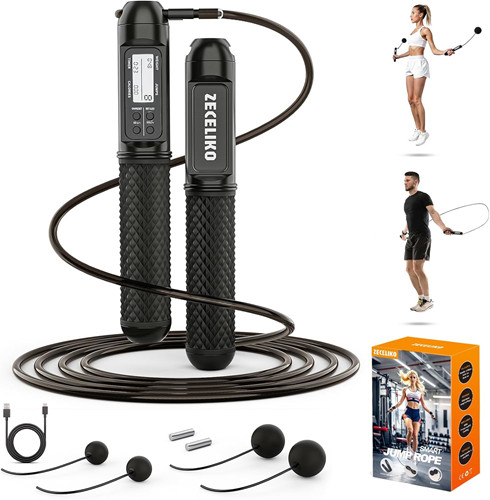
- RENPHO Smart Jump Rope uses App Bluetooth Fitness Tracker Removable Rope — the best app-connected alternative
How the leading smart jump ropes compare
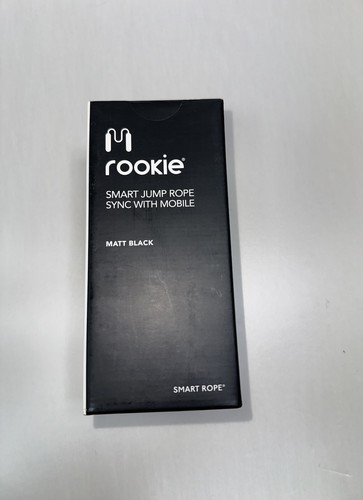
Pictured: Tangram Rookie
| Product | Condition | Price | Best For | Display Type | Bluetooth/App |
|---|---|---|---|---|---|
| Tangram Rookie Smart Jump Rope Matt Black SR100 |
New | $ | Best value for most users | On-handle LCD | Bluetooth, Yes |
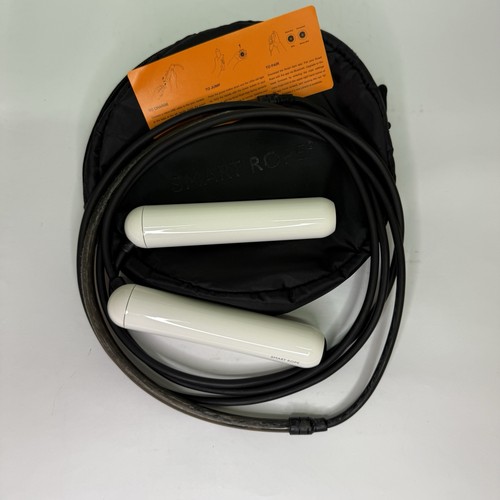 Tangram Smart Rope LED Jump Rope SR1000 White Size Small Tangram Smart Rope LED Jump Rope SR1000 White Size Small |
Used | $$$ | Most advanced LED display | Mid-air LED | Bluetooth, Yes |
 RENPHO Smart Jump Rope uses App Bluetooth Fitness Tracker Removable Rope RENPHO Smart Jump Rope uses App Bluetooth Fitness Tracker Removable Rope |
New | $$ | Best app-connected alternative | On-handle LCD | Bluetooth, Yes |
Price tiers ($/$$/$$$) read across this comparison only — they mark each product’s relative position from cheapest to priciest in the set. Actual prices live below.
Smart rope features that actually matter
On paper, all three options track jumps and calories, but the way they display and sync your data is what separates them. The Tangram Rookie and RENPHO Smart Jump Rope both use an LCD display on the handle — you see your count after you stop, not mid-jump. The Tangram Smart Rope LED is unique: it projects your jump count in mid-air using 23 LEDs built into the rope, so you see your progress live as you skip. This visual feedback can be a big motivator, but it comes at a premium price and is only available used in this listing.
All three models offer Bluetooth connectivity, but app quality and ecosystem support differ. Both Tangram ropes use the SmartRope app (iOS/Android), which tracks detailed workout history, integrates with Apple Health and Google Fit, and supports leaderboards. The RENPHO rope connects to the RENPHO Health app, which is broader in scope (also works with RENPHO scales and other devices), and offers jump-specific metrics as well as streaks and reminders. If you already use RENPHO devices, this integration can help keep all your fitness data in one place.
Cable length and adjustability
The Tangram Rookie comes with a 9-foot (274 cm) cable, suitable for users up to about 6’4” (193 cm), and is fully adjustable for shorter users — you trim the cable to fit. The Tangram Smart Rope LED in this listing is a Size Small, designed for users up to about 5’6” (168 cm). If you’re taller, this could be a dealbreaker, as the LED model’s cable length is not easily extended. The RENPHO Smart Jump Rope provides a 9.8-foot (300 cm) cable, also adjustable and suitable for most adults. If you’re sharing the rope with family members of different heights, the Rookie or RENPHO models are more forgiving, as you can resize them easily.
Battery life and charging
Both the Tangram Rookie and RENPHO Smart Jump Rope use coin cell batteries (CR2032 or similar), which last for several months of typical use. There’s no need to remember to charge them every week. The Tangram Smart Rope LED, with its power-hungry LEDs, uses a rechargeable lithium-polymer battery. Expect to recharge every 2-3 weeks, depending on your workout frequency. If you dislike managing another charging cable, the coin cell options win for convenience — but you’ll eventually need to replace the battery (a trivial task for most users).
Build quality and user comfort
The Tangram ropes are known for their smooth ball-bearing handles, which help prevent tangling and make double-unders easier if you’re into higher-intensity workouts. The Rookie’s handles are matte plastic, lightweight, and slightly smaller than the LED model’s. The Tangram Smart Rope LED has larger, heavier handles to house the LED hardware — some users prefer this for stability, others may find them bulky. The RENPHO Smart Jump Rope uses a removable cable, which lets you switch between a weighted rope and a cordless “ropeless” mode for tight indoor spaces (cordless attachments not always included). This flexibility is unique to the RENPHO model on this list.
Related Guides
How these made the shortlist
To build this guide, we compared each product’s listed features, compatibility, and market positioning. The most relevant criteria for smart jump ropes are: display type (LCD vs. LED), Bluetooth/app support, cable length and adjustability, battery type and expected lifespan, and handle ergonomics. We also weighed whether the product is new or used, as this affects both price and potential longevity. Only fully specified, branded models with clear app support and cable length were included. We excluded generic or unbranded ropes, and any listings with missing specs or bundled extras that obscure the core product. If you want a rope for speed competitions, or you need a professional-grade weighted rope for advanced strength training, this category isn’t for you — you’ll want to look at specialized, non-smart options instead.
Red flags in listings to walk past
- No cable length stated: If a listing omits the rope length, assume it’s either too short for most adults or the seller doesn’t know. Always check for a stated length in feet or centimeters.
- Missing app compatibility details: If a product doesn’t name a specific app, it may not sync reliably — or at all — with your phone. Look for explicit app names and platform support (iOS/Android).
- “Ropeless” mode only with no actual cable: Some listings sell only the cordless attachments, not a full rope. Double-check that a real jump rope cable is included if you want traditional skipping.
- No brand or model number: Generic “smart rope” listings with no brand are often low-quality imports. Stick to named models with established manufacturer support.
- Stock photos with no real product images: If every photo looks like a rendering or is cropped to hide the handles, be wary. Genuine listings show the actual product and hardware details.
Which smart jump rope is right for you?
If you want the best value and a reliable, app-connected rope that works for most adults, the Tangram Rookie is the safest pick. It balances price, adjustability, and app features without requiring you to recharge it weekly. If you’re after the most high-tech, visually engaging experience and don’t mind the higher price or used condition, the Tangram Smart Rope LED stands out for its mid-air LED display — just check that the cable length fits your height. The RENPHO Smart Jump Rope is the strongest choice if you already use RENPHO devices or want the flexibility of a removable cable and optional cordless use. All three connect via Bluetooth, support tracking via a companion app, and have adjustable cables (except the small-size Tangram LED). Prioritize display style, cable length, and app ecosystem — those are the real differentiators.
FAQ: Smart jump ropes for real-world buyers
How accurate are smart jump rope trackers?
Smart jump ropes use built-in motion sensors to count rotations. While accuracy is generally good for most jump sessions, rapid double-unders or tricks can sometimes lead to missed or extra counts. For most users tracking general fitness, the differences between models are minor, but serious athletes may want to manually verify counts for competitive training.
How long does the battery last in each model?
The Tangram Rookie and RENPHO ropes use coin cell batteries that typically last three to six months with daily use. The Tangram Smart Rope LED, with its rechargeable battery, lasts about two to three weeks per charge depending on workout frequency and LED brightness settings.
Is the Tangram Smart Rope LED worth the price difference over the Rookie?
The Tangram Smart Rope LED costs significantly more due to its mid-air LED display, which provides real-time visual feedback. If you’re motivated by seeing your stats live as you jump, or want a conversation-starter at the gym, it’s a unique option. For most users, though, the Rookie provides the same core tracking and app features at a lower price.
RENPHO vs Tangram: Which is better for multi-user households?
The RENPHO Smart Jump Rope stands out for families because of its removable cable and option to use a cordless mode, which works for kids and adults in tight spaces. The Tangram ropes are also adjustable, but the RENPHO offers more flexibility if you have a mix of users or need to switch between modes.
What happens if the cable wears out or breaks?
The Tangram Rookie and RENPHO ropes both use standard cables that can be replaced if worn or damaged. The Tangram Smart Rope LED’s cable is more specialized due to the built-in LEDs and may be harder to replace; check with the manufacturer for compatible replacement parts.
Will these ropes work with my phone?
All three models support Bluetooth syncing and have companion apps for both iOS and Android devices. Always check your phone’s OS version and the app’s compatibility before buying, as some older devices may not be supported.
Further reading on smart fitness technology
For a broader look at connected fitness gear and how smart devices can support your exercise goals, see the overview of wearable fitness technology at Consumer Reports. You can also find guidance on safe jump rope technique and injury prevention from the American Council on Exercise.
Ready to compare options? See the latest smart jump rope listings on Amazon.
Last updated: July 2026 · Editorial standards