Disclosure: As an Amazon Associate and eBay Partner Network publisher, we earn from qualifying purchases. This doesn’t affect what we recommend or how we describe it.
9 min read
Most guides on cleaning CPAP masks insist that daily soap-and-water scrubbing is the only answer. The reality: how, when, and what you clean depends on your specific mask materials, your home environment, and which cleaning method actually fits your routine. Rigid rules can backfire—over-cleaning can degrade mask seals, while the wrong products leave residues that can irritate your skin or lungs. What matters most is a methodical approach tailored to your mask type and your real-world habits, not a rote checklist. Here’s how to get it right, with the technical details and trade-offs most instructions leave out.
Spot the difference between mask types before you clean
Not all CPAP masks react the same way to cleaning methods. Materials, construction, and design directly affect which cleaning agents and routines will actually prolong mask life—and which can do damage. Here’s what to look for:
- Silicone cushions: Most nasal, nasal pillow, and full-face masks use silicone for the seal. Silicone is durable but can break down with harsh soaps, alcohol, or strong detergents. Over time, improper cleaning causes yellowing, stiffness, or micro-cracks that ruin the fit.
- Gel or foam inserts: Some masks use gel or foam for extra comfort. These materials absorb moisture and can harbor bacteria if not dried completely. They’re also more vulnerable to breakdown from soaking or aggressive scrubbing.
- Hard plastic frames: These withstand gentle dish soap but may cloud or crack if exposed to hot water above 50°C (122°F) or abrasive cleaning pads.
- Fabric headgear: Straps and headgear are often polyester or nylon blends. They tolerate hand-washing but stretch, fray, or lose elasticity if machine-washed or exposed to bleach.
Before cleaning, check your mask’s user manual for exact material specs and warnings—some even specify maximum water temperature or forbidden chemicals. If you’ve lost the manual, most manufacturers post them on their websites’ support sections.
How the main cleaning methods compare
There are three widely-used approaches to cleaning CPAP masks: manual washing, wipe-downs, and automated sanitizers. Each has real trade-offs in thoroughness, speed, cost, and risk to mask longevity. Here’s how they stack up:
| Method | Typical Use Case | Cleaning Agent | Time Required | Mask Material Impact | Price |
|---|---|---|---|---|---|
| Manual Washing | Deep clean, all mask types | Mild dish soap + water | 5–10 min (plus drying) | Low (if soap is pH-neutral, <7.5) | $ |
| CPAP Wipes | Quick daily cleaning | Alcohol-free wipes | 1–2 min | Very low (if unscented) | $$ |
| Automated Sanitizer | Hands-off, weekly cleaning | Ozone or UV light | 10–35 min/cycle | Medium (ozone may degrade silicone over time) | $$$ |
Choose the right cleaning routine for your mask and schedule
Most mask manufacturers recommend daily cleaning for mask cushions and weekly cleaning for headgear and frames. But what actually matters is consistency and suitability for your specific mask and usage. Here’s how to decide:
- If you have oily skin or allergies: Daily manual washing or wipe-downs prevent buildup of skin oils and allergens that degrade silicone and cause irritation. Look for wipes that are alcohol- and fragrance-free, as even trace scents can trigger reactions for some users.
- For minimal-contact nasal pillows: These typically need less aggressive cleaning—gentle daily wipe-downs and a weekly soap wash often suffice.
- Full-face masks with large surface area: These benefit from more thorough cleaning, as their seals contact more skin and trap more moisture. Manual washing with soap and water is safest for longevity.
- Automated sanitizers: These offer convenience but may void your mask’s warranty if used as the primary cleaning method. Ozone-based units, in particular, have been flagged by both the FDA and several sleep health bodies for potential risk of silicone breakdown and lung irritation if not vented properly. UV-based units avoid this but require line-of-sight exposure to be effective.
Whichever method you choose, always allow parts to air-dry fully—dampness inside cushions or headgear is the most common cause of mildew growth and mask odor.
How to clean a CPAP mask step by step (manual method)
- Disassemble the mask completely. Remove the cushion, headgear, and any detachable clips or tubing. Check for small parts that may collect residue or buildup.
- Rinse each part under lukewarm water (not above 40°C/104°F). Avoid hot water, as it can warp silicone or plastic components.
- Wash with mild, unscented dish soap. Use a soft brush or your fingers to gently clean all surfaces, paying special attention to crevices and the area that touches your face. Do not use antibacterial or moisturizing soaps, which leave residues.
- Rinse thoroughly with running water. Ensure all soap is removed, as even small traces can cause skin irritation or degrade the mask material over time.
- Pat dry with a lint-free towel, then air-dry. Lay parts out in a clean, dust-free area. Avoid direct sunlight or heat sources, which can cause premature aging of materials.
- Reassemble only when completely dry. Moisture trapped in the mask or headgear can lead to bacteria or mold growth.
This manual method is the gold standard for extending mask life and preventing skin or airway irritation. For a quick midweek refresh, unscented wipes are a safe supplement, but don’t skip the full wash at least once a week.
See what automated CPAP sanitizers really do (and don’t)
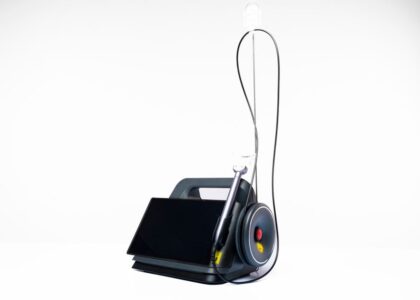
Automated sanitizers—using either ozone (activated oxygen) or ultraviolet (UV-C) light—promise an effortless way to disinfect CPAP masks. But claims often outpace the science. Ozone devices generate gas that permeates mask surfaces and tubing, killing many common bacteria and fungi. However, ozone can degrade silicone at concentrations above 0.05 ppm, and residue must be fully vented before use to avoid lung irritation. UV-C devices use light in the 200–280nm wavelength, which is effective at sterilizing hard surfaces but may not reach inside crevices or under mask cushions.
Neither method reliably removes skin oils, dust, or visible debris; you still need to wash manually to prevent buildup that compromises mask fit. If you choose an automated unit, use it as a supplement, not a substitute, for regular soap-and-water cleaning. Always check your mask’s warranty—some manufacturers explicitly exclude damage from ozone or UV exposure.
For more on the science behind these devices, see the American Academy of Sleep Medicine’s position statements on CPAP cleaning technologies.
Compare today’s dealsPrevent the most common mask-cleaning mistakes
Even diligent users make errors that accelerate mask wear or cause discomfort. Here’s what to watch for:
- Using harsh cleaners: Anything with bleach, alcohol, or vinegar can damage silicone and leave residues that irritate skin or airways. Stick to pH-neutral soaps (pH 6.5–7.5).
- Skipping the rinse: Soap residue is a leading cause of skin reactions. Rinse each part for at least 30 seconds under running water.
- Reassembling before dry: Moisture trapped in cushions or headgear is a breeding ground for mold. Wait until all parts are fully dry—overnight if needed.
- Ignoring headgear: Sweat and oils degrade elastic over time. Hand-wash headgear weekly, and replace if it loses stretch or frays.
- Using tap water in hard-water areas: Mineral deposits can cloud silicone and reduce mask lifespan. If your area measures above 120 ppm hardness, consider using distilled water for rinsing.
Attending to these details can extend mask life by several months and reduce the risk of skin irritation or infection.
See what’s availableRelated Guides
Beginner’s pre-purchase checklist
- Identify your mask’s cushion material (silicone, gel, foam)—cleaning needs and compatible products differ by type.
- Measure your mask’s largest surface area in square centimeters—larger masks require more drying space and time.
- Check your local water hardness (mg/L or ppm)—hard water can shorten mask life if not rinsed properly.
- Verify that you have a pH-neutral, unscented dish soap on hand—avoid antibacterial or moisturizing formulas.
- Ensure your workspace is dust-free and well-ventilated—masks should air-dry in a clean environment to prevent contamination.
- Assess your cleaning schedule—do you realistically have 10 minutes daily, or do you need a quick-wipe backup method?
- Review your mask’s warranty terms to confirm which cleaning methods are approved—some exclude damage from ozone or UV devices.
FAQ: Clearing up common CPAP mask cleaning questions
How often should you clean a CPAP mask?
Most mask manufacturers recommend daily cleaning of the mask cushion and weekly cleaning of headgear and frame. However, if you have allergies, oily skin, or sweat heavily, daily cleaning of all components is safer. Skipping cleanings increases the risk of skin irritation and mask leaks.
Can you use vinegar or hydrogen peroxide to clean a CPAP mask?
Neither vinegar nor hydrogen peroxide is recommended for routine CPAP mask cleaning. Vinegar can degrade silicone over time and leave a persistent odor, while hydrogen peroxide can be too harsh and cause premature wear. Stick to mild, unscented soap unless your mask’s manual specifically allows other agents.
Manual washing vs. CPAP wipes—what’s better for daily cleaning?
Manual washing with soap and water is more thorough, removing skin oils and debris that wipes may leave behind. CPAP wipes are convenient for quick daily cleaning, especially during travel, but shouldn’t fully replace weekly soap-and-water washes. For the best results, use wipes for touch-ups and a full wash at least once a week.
How long do CPAP mask cushions typically last with regular cleaning?
With proper daily and weekly cleaning, most silicone mask cushions last 3–6 months before needing replacement. Signs of wear include yellowing, loss of flexibility, or persistent leaks that can’t be fixed by cleaning. If you notice these, it’s time to replace the cushion.
What temperature water should you use when washing a CPAP mask?
Always use lukewarm water, ideally below 40°C (104°F), to prevent warping or damaging mask materials. Hot water can degrade silicone and weaken plastic parts, while cold water may not dissolve oils as effectively. If you’re unsure, err on the cooler side.
Are automated ozone or UV sanitizers safe for CPAP masks?
Automated sanitizers can kill many germs but may degrade silicone parts or void your mask’s warranty if used as the primary cleaning method. Ozone units, in particular, must be vented thoroughly before mask use to avoid respiratory irritation. Always check your mask’s manual and warranty before using these devices.
What should you do if your mask develops a persistent odor?
If odors persist after cleaning, soak the mask (except for headgear) in a solution of mild soap and water for 30 minutes, then rinse thoroughly. Persistent smells may indicate trapped oils, mold, or material breakdown—if cleaning doesn’t resolve it, consider replacing the cushion or headgear.
Check current pricesCleaning a CPAP mask isn’t about following rigid routines—it’s about matching the right method to your mask, your lifestyle, and your skin’s needs. Skip the shortcuts that promise miracle results; consistent, gentle cleaning is what keeps your mask safe and effective. If you invest a few minutes each day, you’ll extend the life of your equipment and get the best results from your therapy—without the risks of overcleaning or chemical exposure.
Last updated: June 2026 · About our research