8 min read
Disclosure: As an Amazon Associate and eBay Partner Network publisher, we earn from qualifying purchases. This doesn’t affect what we recommend or how we describe it.
Waking up feeling groggy and unrested, despite a full night in bed, drives many adults to search for solutions—and sleep apnea mouthpieces often top the list. But the world of anti-snoring and sleep apnea oral devices is crowded, confusing, and full of trade-offs that most product listings won’t warn you about. This guide breaks down what really matters when shopping for a sleep apnea mouthpiece for sale, including fit, clinical suitability, materials, and price—so you can make a decision that actually improves your sleep and doesn’t waste your money.
Why “One Size Fits All” Is a Myth in Sleep Apnea Mouthpieces
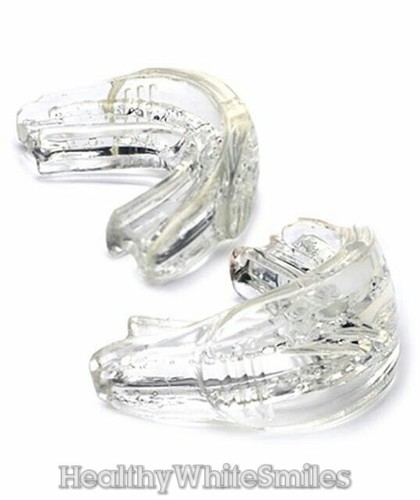
It’s tempting to assume any mouthpiece labeled for “sleep apnea” will work for you, but that’s rarely true. Most over-the-counter mouthpieces fall into two categories: those that advance the jaw (mandibular advancement devices, or MADs) and those that hold the tongue forward (tongue retaining devices, or TRDs). The mechanism matters, especially if you have dental work, jaw discomfort, or specific anatomical concerns. A device that fits poorly or uses the wrong mechanism won’t just fail to help—it can make things worse, causing jaw pain, gum irritation, or even dental shifting over time.
How the Options Compare: A Side-by-Side Look at Sleep Apnea Mouthpiece Types
| Type | Best For | Adjustment Method | Material | Fit Customization | Price |
|---|---|---|---|---|---|
| Boil-and-Bite MAD | Budget-conscious first-time users | Manual (heat-molded) | Thermoplastic | Single-user molded | $ |
| Precision-fit MAD | Users with dental work or sensitive gums | Micro-adjustable (screw/slider) | Dual-laminate polymer | Multi-point, fine-tuned | $$$ |
| Standard TRD | Users with dentures or loose teeth | None (suction-based) | Medical-grade silicone | Universal | $$ |
| Custom-lab MAD | Long-term, severe cases | Lab-set to prescription | Acrylic + metal | Fully customized | $$$ |
| Mini-profile MAD | Small mouths, high gag reflex | Minimal (pre-set advancement) | Thin thermoplastic | Basic boil-and-bite | $$ |
Pricing context: $, $$, and $$$ are relative ratings against the other products listed above, not absolute dollar ranges. Live current prices follow below.
The Spec Almost Nobody Talks About: Advancement Range
Most buyers focus on comfort and price—but the actual jaw advancement range is what determines whether a mouthpiece can physically open your airway enough to reduce apnea events. Mandibular advancement devices work by moving your lower jaw forward, typically in increments of 1–10 millimeters. Some budget models offer only a fixed 2–3 mm setting, while adjustable or lab-fit devices can reach up to 10 mm. Too little advancement, and you’ll see no effect; too much, and you risk jaw pain or even temporomandibular joint (TMJ) issues. Always check the advancement range before you buy—and if you’re unsure, opt for a device with fine-tune controls over a fixed one.
What Most Buying Guides Get Wrong About Fit and Comfort
Comfort isn’t just about soft materials. It’s about how the mouthpiece interacts with your teeth, gums, and jaw alignment over 6–8 hours of nightly use. Boil-and-bite models use thermoplastic that molds to your bite, but often lack micro-adjustability—meaning any dental changes (like a new filling or crown) can force you to remold or replace the device. Precision-fit options, often called “adjustable” MADs, use embedded screws or sliders to let you tweak advancement in 1 mm increments, which is critical for dialing in both comfort and effectiveness. Tongue retaining devices avoid the teeth entirely, making them a safer bet if you have dentures or loose teeth—but some users find the suction bulb causes tongue soreness, especially in the first weeks.
Clinical Context: When a Mouthpiece Is (and Isn’t) Enough
No mouthpiece is a cure-all for sleep apnea. According to the American Sleep Apnea Association, oral appliances are most effective for mild to moderate obstructive sleep apnea (OSA), or for people who can’t tolerate CPAP machines. Severe OSA, or cases involving central sleep apnea, usually require more advanced treatment. It’s also critical to remember that mouthpieces don’t actively “treat” apnea but work by physically changing your airway dynamics. A device that’s a poor fit, or one used without a proper diagnosis, can mask symptoms without solving the underlying problem. If you haven’t been evaluated by a sleep specialist, that step is essential before making a purchase.
Material Choices: What You’re Actually Putting in Your Mouth All Night
Most over-the-counter mouthpieces use either thermoplastic (for boil-and-bite MADs), medical-grade silicone (TRDs), or multi-layer polymers (precision-fit MADs). Thermoplastics are easy to mold but can degrade after 6–12 months, especially with nightly use and cleaning. Medical-grade silicone is more flexible and less likely to cause irritation, but some users report a plastic taste that fades after the first week. Dual-laminate polymers in higher-end models offer a firm core for durability and a soft outer layer for comfort, often lasting up to 2 years. If you have known sensitivities or allergies, always check for BPA-free and latex-free labeling. For any device, regular cleaning with mild soap and water is non-negotiable—harsh cleansers can degrade the plastic and void any warranty.
Who Should Consider a Tongue Retaining Device Instead?
Mandibular advancement devices require healthy, stable teeth to anchor properly. If you have dentures, loose teeth, or significant dental work, a tongue retaining device may be safer and more effective. TRDs use a soft silicone bulb to gently hold your tongue forward, preventing airway collapse without any pressure on your teeth or jaw. They’re also a common fallback if you experience jaw pain with MADs or have a high gag reflex—though some users find the initial sensation odd or the suction difficult to maintain. If you have a strong tongue tie or limited tongue mobility, a TRD may not work for you.
Related Guides
- Our guide to Sleep Apnea Mouthpieces That Actually Work
- A No-Nonsense Guide to Buying Sleep Apnea Mouthpieces
- Aromatherapy Diffusers for Better Sleep: Our Top Recommendations
- Our guide to Adjustable Bed vs Wedge Pillow: Which Is Better for Better Sleep?
- How to Clean CPAP Masks: A Practical Guide for Better Sleep Hygiene
- Can Light Therapy Glasses Improve Your Sleep?
Common mistakes to avoid
- Assuming all mouthpieces work for all types of sleep apnea—central sleep apnea is not addressed by these devices and requires a different approach.
- Choosing a fixed-advance mouthpiece without checking your jaw size or bite—too little advancement is ineffective, too much causes pain or dental changes.
- Overlooking compatibility with dental work—crowns, bridges, or partial dentures can be damaged by boil-and-bite or hard-shell MADs.
- Neglecting to replace the mouthpiece as recommended—most thermoplastic models last only 6–12 months before losing shape and effectiveness.
- Skipping professional evaluation—self-diagnosing sleep apnea and buying a device online can delay proper treatment and mask more serious health issues.
How to Tell If a Mouthpiece Is Working for You
Success isn’t just about snoring reduction. The best indicator is how you feel in the morning: less grogginess, fewer headaches, and improved daytime alertness are positive signs. Some users track their progress with sleep apps that monitor snoring intensity or breathing interruptions. If your partner notices less snoring and you wake up feeling more rested, the device is likely helping. But persistent symptoms—like daytime sleepiness, morning headaches, or observed pauses in breathing—mean it’s time to consult a sleep specialist. No device should replace medical oversight for moderate or severe apnea.
Affiliate CTAs at Decision Points
Ready to compare boil-and-bite, adjustable, and TRD options? View options.
Need a precision-fit device for sensitive teeth or advanced adjustment? Check current prices.
Curious how mini-profile mouthpieces stack up for smaller mouths? See what’s available.
FAQ: Real-World Sleep Apnea Mouthpiece Questions Answered
How long does a typical sleep apnea mouthpiece last before needing replacement?
Most thermoplastic or silicone mouthpieces last between 6 and 12 months with nightly use. Precision-fit or lab-made devices can last up to 2 years, depending on care and wear. Replace your device if you notice warping, loss of fit, or persistent odor even after cleaning.
Are boil-and-bite mouthpieces as effective as custom lab-made ones?
Boil-and-bite devices can help with mild to moderate sleep apnea but often lack the fine-tuned fit and durability of lab-made appliances. Custom lab-made mouthpieces, usually fitted by a dentist, offer better advancement control and long-term comfort, especially for users with complex dental needs.
Can I use a sleep apnea mouthpiece if I have braces or dental implants?
Most mandibular advancement devices are not recommended for people with braces, recent dental implants, or extensive dental work. The pressure and movement can damage orthodontic appliances or compromise healing. Tongue retaining devices may be a safer alternative, but consult your dentist before use.
What’s the difference between a tongue retaining device and a mandibular advancement device?
Mandibular advancement devices (MADs) move your lower jaw forward to open the airway, while tongue retaining devices (TRDs) use suction to keep the tongue from collapsing backward. MADs require stable teeth for anchoring, whereas TRDs are better for people with dentures or dental issues. Effectiveness depends on your specific anatomy and sleep apnea severity.
How do I clean and care for my mouthpiece?
Clean your mouthpiece daily with mild soap and lukewarm water. Avoid using toothpaste, which can scratch plastic surfaces, and never use boiling water for cleaning after initial molding. Periodically inspect for cracks or discoloration; replace immediately if the device shows signs of damage.
What should I do if my mouthpiece causes jaw pain or tooth movement?
Jaw discomfort can occur during the adjustment phase, but persistent pain or noticeable tooth movement means the device is not fitting properly or is set too aggressively. Stop use and consult a dental professional or sleep specialist before continuing. Ignoring these signs can lead to long-term dental problems.
Where to Go from Here: Making an Informed Choice
Buying a sleep apnea mouthpiece isn’t just about picking the cheapest or most popular option—it’s about matching the device to your anatomy, sleep needs, and dental health. Pay attention to advancement range, material quality, and compatibility with your teeth or dental work. When in doubt, favor adjustability and clinical backing over flashy marketing claims. And remember: no mouthpiece is a substitute for a professional diagnosis. With the right approach, you can find a device that helps you sleep better, wake up refreshed, and avoid costly mistakes down the line.


Last updated: July 2026 · Editorial standards