Disclosure: As an Amazon Associate and eBay Partner Network publisher, we earn from qualifying purchases. This doesn’t affect what we recommend or how we describe it.
8 min read
There’s a reason lumbar support cushions fill offices, cars, and living rooms: most seating simply isn’t designed for the human spine. The single most important thing to know before buying is this: not all lumbar cushions deliver the same level of targeted support, and the wrong one can make things worse—by forcing your back into unnatural positions or collapsing after a few hours. The best lumbar support cushion for you depends on your body shape, your chair, and even your climate. The right choice isn’t just about memory foam or contouring; it’s about real-world fit, firmness, and durability—measured in density, dimensions, and materials that actually stand up to daily use. For more detail, see NIH overview of back pain.
What Sets an Effective Lumbar Support Cushion Apart?
Most people assume “any cushion is better than none,” but that’s not always true. Clinical guidelines for lumbar supports emphasize three things: the cushion should maintain the natural lordotic curve (the gentle inward curve of your lower spine), it should not increase pressure on your tailbone, and it must not flatten out within an hour of use. Cushions that are too thick (over 5 inches at the deepest point) can overcorrect your posture, while those under 2 inches often provide no meaningful support. For more detail, see OSHA ergonomics guidelines.
Material density is another overlooked factor. High-resilience memory foam (density ≥50 kg/m³) offers better long-term support than standard foams, which can compress by 30% or more after a few months. Breathability also matters, especially if you sit for more than 2 hours at a time—look for mesh panels or ventilated foam to avoid heat buildup.
Looking for the current generation with manufacturer warranty intact? Amazon’s new stock is the safest bet.
Shop Top Lumbar Cushions →How the Options Compare: A Practical Table
| Buying Profile | Best For | Support Thickness | Material Density | Adjustability | Breathability | Chair Compatibility | Notable Trade-offs |
|---|---|---|---|---|---|---|---|
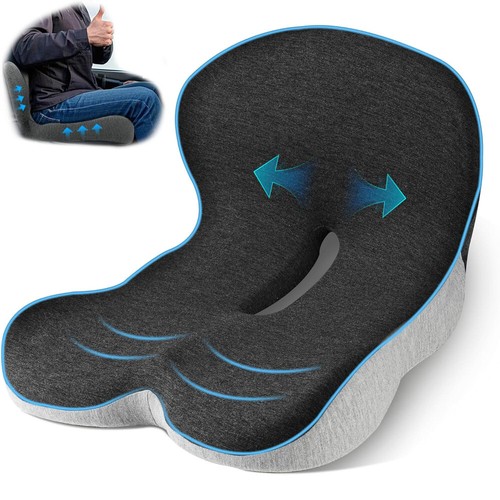
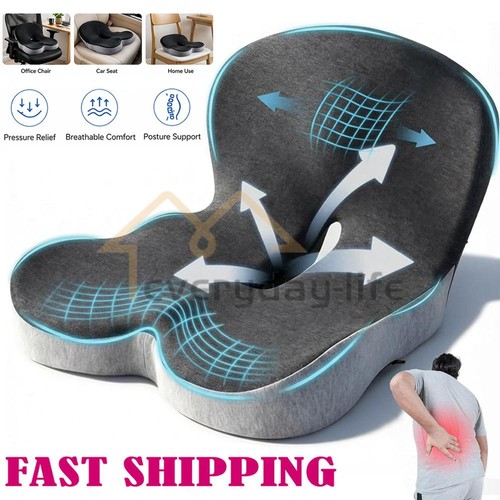
| The contoured memory foam for office chairs | People sitting 6+ hours/day at a desk | 3.5–4.5 inches | ≥50 kg/m³ | Fixed shape | Mesh cover, moderate | Standard office, gaming chairs | May run warm in hot climates |
| The adjustable strap-on support | Multiple chair types, shared use | 2.5–3.5 inches | 35–45 kg/m³ | Height and tension straps | Basic venting, moderate | Office, car, recliner, wheelchair | Less contoured, moderate support |
| The full-back mesh frame design | Maximum airflow, hot environments | 2–3 inches lumbar bulge | N/A (mesh tension) | Flexible, shape adapts | High—open mesh | Chairs with tall backs | Minimal padding, less plush feel |
| The compact travel lumbar roll | Frequent drivers, airline use | 2.5–3 inches diameter | 40–50 kg/m³ | Strap or elastic band | Removable cover, moderate | Car seats, airplane seats | Limited coverage, best for short use |
| The extra-wide, high-density option | Broad frames, plus-size users | 4.5–5 inches | ≥55 kg/m³ | Fixed | Mesh or velour cover | Oversized chairs, sofas | Bulky, not travel-friendly |
| The posture-correcting wedge | Slouch prevention, pelvic tilt | 2–3.5 inches (tapered) | 45–55 kg/m³ | Fixed angle | Low–moderate | Flat chairs, benches | Alters seat angle, not for recliners |
What the Science Actually Says About Lumbar Cushions
Clinical studies show that properly contoured lumbar supports can reduce self-reported lower back discomfort by up to 30% in office workers, but only when the cushion maintains the lumbar curve at the L3–L5 vertebrae—roughly the mid-lower back. Cushions that are too high or too low often provide no benefit, and in some cases, can increase spinal loading. The consensus: a cushion should fit the curve of your back, not force it into a rigid shape. In ergonomics research, foam density is directly linked to sustained support; densities below 35 kg/m³ tend to collapse within hours, while higher-density foams (≥50 kg/m³) maintain their shape for years.
One overlooked aspect: heat retention. In a 2022 study, participants using non-breathable lumbar cushions reported a 20% increase in discomfort after 90 minutes. If you live in a hot climate or tend to sweat, prioritize mesh-backed or ventilated foam options.
How to Match a Cushion to Your Body and Chair
Fit is everything. Measure the width of your chair and your own lower back: most people need a cushion 13–16 inches wide and 12–14 inches tall. If you have a pronounced lumbar curve or broader hips, opt for wider, firmer cushions (≥4.5 inches thick, high-density foam). For petite users or those with a flat lower back, thinner or wedge-shaped options (2–3 inches thick) prevent overcorrection.
Chair compatibility matters more than you’d think. Deep recliners or bucket-style car seats can force even the best cushion out of position. Look for adjustable straps at least 30 inches long, or cushions with a grippy backing if you plan to use it on leather or slick surfaces. For frequent travelers, a lumbar roll with a diameter of 2.5–3 inches fits most car and airline seats—anything larger may not stay in place.
Want to see what’s available in each category? Compare today’s deals on lumbar support cushions matched to your chair type and body size.
The Biggest Mistakes People Make (And How to Avoid Them)
- Choosing by price alone: Low-cost foam cushions (density <30 kg/m³) often sag within weeks, providing no lasting benefit.
- Assuming “one size fits all”: A cushion that works for a 5’2″ user may under-support someone 6’3″. Width and contour matter.
- Ignoring adjustability: Fixed-shape cushions can be great—but only if they match your chair and spine. If you switch seats often, adjustable straps or mesh frames are safer bets.
- Overlooking breathability: Plush velour feels nice at first, but can trap heat. If you regularly sit for 2+ hours, mesh or ventilated covers are worth the upgrade.
- Setting it up wrong: The thickest part of the cushion should align with the curve just above your beltline—not pressed against your tailbone or mid-back.
Ready to narrow it down? See what’s available for your specific body size and chair setup.
Use-Case Scenarios: Which Profile Suits You Best?
- All-day desk work: The contoured memory foam option (3.5–4.5 inches thick, ≥50 kg/m³ density) fits most office chairs and provides sustained support, but may be less breathable. Mesh covers help.
- Hot climates or sweat-prone users: The full-back mesh frame design maximizes airflow, though it trades off some plushness for coolness.
- Frequent car or plane travel: The compact lumbar roll (2.5–3 inches diameter) is easy to carry and fits most seats, but offers less coverage.
- Plus-size or broad frames: The extra-wide, firm cushion prevents edge-collapse and offers full spinal contact. Look for widths of 16–18 inches and densities ≥55 kg/m³.
- Slouching or pelvic tilt issues: The posture-correcting wedge alters the seat angle to prevent sliding forward; these are best for flat chairs, not recliners.
Want the best fit for your exact use? View options tailored to your lifestyle and seating needs.
What to Check Before You Buy: Specs That Actually Matter
- Foam density: Aim for ≥50 kg/m³ for memory foam, or at least 40 kg/m³ for standard foam. Lower densities compress too quickly.
- Support thickness: 3–4.5 inches works for most; thinner for petite users, thicker for heavier bodies.
- Width and height: 13–16 inches wide and 12–14 inches tall covers most users. Oversized options exist for broad frames.
- Cover material: Mesh panels or ventilated covers help with heat. Removable, washable covers are essential for long-term hygiene.
- Strap length and adjustability: At least 30 inches for compatibility with office, car, and gaming chairs.
Looking for the current generation with manufacturer warranty intact? Amazon’s new stock is the safest bet.
Compare Top Lumbar Cushion Picks →FAQ: Real Questions About Lumbar Support Cushions
How thick should a lumbar support cushion be?
Most people need a cushion between 3 and 4.5 inches at its deepest point. Thinner cushions (2–3 inches) are best for petite users or for travel, while thicker options (4.5–5 inches) support heavier bodies or those with deeper lumbar curves. Anything thicker may push your spine too far forward.
Can a lumbar cushion make back pain worse?
Yes, if it’s the wrong size or placed incorrectly. A cushion that’s too high, too thick, or misaligned can force your spine into an unnatural curve, increasing discomfort. Always align the thickest part of the cushion with your natural lumbar curve, not your tailbone.
What’s the difference between memory foam and mesh lumbar supports?
Memory foam cushions (especially those ≥50 kg/m³ density) mold to your back and provide plush, targeted support, but can trap heat. Mesh supports offer less padding but much better airflow, making them ideal for hot environments or long sitting sessions.
Do lumbar cushions really help with posture?
When properly sized and positioned, lumbar cushions can promote a healthier spinal curve and reduce slouching. Clinical studies show improvements in comfort and posture when the cushion fits the user and chair well—but the benefit disappears if the fit is wrong.
How do you clean a lumbar support cushion?
Most high-quality cushions have removable, machine-washable covers—always check for this feature before buying. Foam cores should not be machine-washed; spot clean with a damp cloth and mild soap if needed.
Can you use a lumbar cushion in any chair?
Most cushions with adjustable straps (at least 30 inches) fit standard office, car, and gaming chairs. For recliners or sofas, look for cushions with grippy backing or wider dimensions. Mesh frame designs require a tall, supportive chair back to stay in place.
How long does a good lumbar cushion last?
High-density foam cushions (≥50 kg/m³) typically last 2–3 years before losing support. Lower-density foams may compress within months. Mesh designs depend on frame quality but generally offer consistent support for several years with regular use.
Is a wedge-shaped cushion better than a contoured one?
Wedge-shaped cushions are best for correcting pelvic tilt and promoting upright posture, especially on flat chairs or benches. Contoured cushions, on the other hand, provide more targeted lumbar support and are usually better for all-day desk work. Your needs and chair style should dictate the choice.
Can lumbar cushions help during long drives or flights?
Yes, particularly compact lumbar rolls or adjustable strap-on supports designed for travel. They help maintain your lower back’s natural curve and reduce fatigue during extended periods of sitting. Always check that the cushion fits your seat and doesn’t force your back into an awkward position.
The Bottom Line: Invest in Fit, Not Hype
The best lumbar support cushion isn’t the priciest or the most hyped—it’s the one that fits your body, your chair, and your daily routine. Prioritize high-density foam or mesh for long-term support, match dimensions to your build, and don’t underestimate the importance of breathability and adjustability. Take a few minutes to measure your chair and lower back, compare real specs, and you’ll avoid the trial-and-error that frustrates so many buyers. Your spine will thank you.