Disclosure: As an Amazon Associate and eBay Partner Network publisher, we earn from qualifying purchases. This doesn’t affect what we recommend or how we describe it.
9 min read
Most sleep tracking devices promise to reveal hidden patterns in your nights, but only a handful actually deliver data you can trust — and even fewer provide actionable insights rather than just a tangle of numbers. The biggest difference between options isn’t just price or battery life; it’s how they collect data, what they measure, and whether any of it is actually useful for understanding (and improving) your sleep. Before you pick a device, it pays to know what truly matters: the difference between motion-based tracking and physiological monitoring, the kinds of metrics that signal real sleep quality, and the trade-offs between comfort, accuracy, and long-term usability. For more detail, see CDC sleep health resources.
Why “Sleep Tracking” Means Very Different Things
Not all sleep trackers measure the same thing, and the differences matter. The simplest devices use accelerometers — sensors that detect movement — to infer when you’re asleep or awake. Others layer in heart rate, blood oxygen, skin temperature, and even breathing rate, aiming to paint a more detailed picture of each sleep stage. Here’s the catch: only certain physiological signals actually correlate well with sleep architecture as measured in a sleep lab (polysomnography, or PSG). For example, heart rate variability (HRV) and pulse oximetry can hint at REM cycles or disturbances, while simple movement tracking often overestimates sleep because it can’t distinguish lying still from being in light sleep.
Wearables that rely exclusively on movement are best for spotting gross patterns (like total time in bed), but fall short if you want to know about sleep stages or subtle disruptions. Devices that combine movement, HRV, and at least one other physiological metric (such as skin temperature or respiration) tend to provide the most reliable estimates for home use. However, no consumer-grade device can match the gold standard of EEG-based measurement — something to keep in mind if you’re chasing clinical precision.
If you want the newest model, free returns, and quick shipping, Amazon is the easiest place to compare.
Shop Sleep Trackers →How the Top Sleep Tracking Device Types Compare
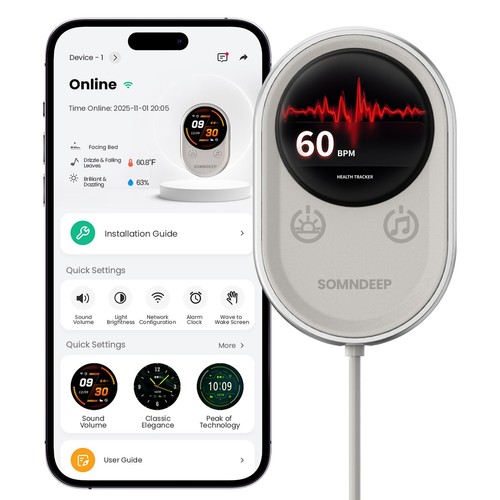
The market splits into four main categories: wrist-worn wearables, smart rings, under-mattress sensors, and bedside devices. Each has distinct strengths, weaknesses, and comfort profiles. The table below breaks down the real-world trade-offs that matter most when choosing.
Comparing Sleep Tracker Types: Comfort, Accuracy, and Features
| Device Profile | How It Measures Sleep | Best For | Accuracy Potential | Battery/Power | Comfort & Usability | Key Metrics Provided |
|---|---|---|---|---|---|---|
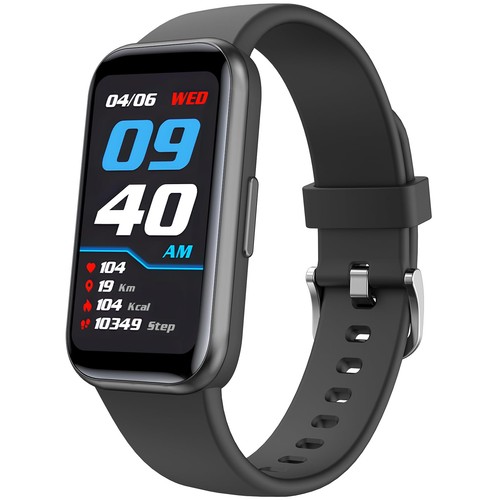
| Wrist-Worn Wearable | Accelerometer, optical HR sensor (PPG), often SpO2 | Daily wear, fitness tracking integration | Moderate to high (±15 min for sleep/wake, less for stages) | 5–14 days typical | May cause skin irritation for some; needs nightly wear | Total sleep, sleep stages, HRV, SpO2, movement |
| Smart Ring | PPG, accelerometer, skin temp | Those who dislike wristbands, discreet use | Moderate (±20 min for sleep/wake) | 4–7 days typical | Very comfortable, but sizing and fit matter | Total sleep, sleep stages, HRV, temp trends |
| Under-Mattress Sensor | Ballistocardiography (micromovements), sometimes audio | No-wear, set-and-forget tracking | Moderate (±30 min for sleep/wake, variable for stages) | AC-powered (no battery) | Invisible during use; may struggle with thick mattresses | Total sleep, sleep cycles, heart/respiratory rate |
| Bedside/Contactless Monitor | Radar, ultrasound, or camera-based motion/respiration | Non-contact, tracking for multiple users | Low to moderate (may overestimate sleep) | AC-powered | No contact at all; privacy concerns for some | Sleep duration, breathing, movement |
What Metrics Actually Matter for Real Sleep Insights?
- Total Sleep Time (TST): The most reliable metric. Most consumer trackers estimate this within ±15–30 minutes of PSG, though accuracy drops for people with fragmented sleep.
- Sleep Onset Latency: Time from “lights out” to first sleep. Useful for tracking insomnia patterns, but only accurate if you log bedtime precisely.
- Wake After Sleep Onset (WASO): How much time you spend awake after initially falling asleep. Some wearables over- or underestimate this, especially if you lie still while awake.
- Sleep Staging (Light, Deep, REM): No consumer tracker nails this perfectly. Wrist-worn devices with HRV and SpO2 sensors do best, but expect ±20% error compared to lab results.
- Heart Rate Variability (HRV): A proxy for sleep quality and stress, measured in milliseconds (ms). Look for devices that report root mean square of successive differences (RMSSD) or the standard deviation of NN intervals (SDNN).
- Blood Oxygen Saturation (SpO2): Useful for detecting possible sleep apnea risk, especially if values drop below 90% during the night. Not all trackers offer continuous SpO2 monitoring.
Metrics like “sleep score” and “readiness” are proprietary and can be helpful for trend spotting, but don’t equate them with clinical diagnosis. Focus on raw, exportable data if you want to share results with your doctor or track changes over time.
Trade-Offs: Comfort, Data Depth, and Long-Term Use
Wrist-worn devices offer the richest data, but not everyone enjoys wearing something to bed. Skin irritation, charging routines, and nighttime distractions are common complaints. Smart rings are less obtrusive but can be fussy about sizing; if a ring is too loose, PPG sensor readings (for HR and SpO2) become unreliable. Under-mattress sensors win for set-and-forget ease but may struggle with thick foam or hybrid mattresses, and they sometimes pick up a partner’s movements. Bedside monitors require no contact, but their reliance on radar or cameras means they often overestimate sleep and can’t distinguish between two people in the same bed.
Device battery life is another overlooked factor. Wrist wearables and rings typically need charging every 4–14 days, but sleep tracking requires overnight wear — so plan a charging routine that doesn’t disrupt your schedule. Under-mattress and bedside devices are AC-powered and don’t need recharging, but add a cord under or near your bed.
Related Guides
- Best Sleep Tracking Devices for Kids 2026: Our Top Picks
- Adjustable Beds vs Wedge Pillows: Which Is Better for Sleep Comfort?
- Laser Therapy Devices That Are Actually Worth Buying
- The Best Portable Sleep Sound Machines for Restful Nights Anywhere
- Smart Sleep Masks With Bluetooth: What to Know Before You Buy
- Browse all Buying Guides →
Who Should Consider Each Sleep Tracker Type?
- Wrist-Worn Wearables: Best for those who also want daytime activity, heart rate, or fitness tracking. Choose a device with at least 3-axis accelerometry, optical HR, and ideally SpO2 sensors. Check current prices
- Smart Rings: Ideal for minimalists or anyone sensitive to wristbands. Make sure the ring uses PPG and can report HRV (look for RMSSD or SDNN values). View options
- Under-Mattress Sensors: Excellent for couples or those who dislike wearing anything to bed. Confirm compatibility with your mattress type (some struggle with memory foam or thick toppers) and ensure it measures at least heart rate and respiratory rate, not just movement. Compare today’s deals
- Bedside/Contactless Monitors: A fit for people wanting zero body contact or for tracking kids’ sleep. Prioritize options with proven radar or ultrasound accuracy and clear privacy policies.
Clinical Context: How Close Do Consumer Trackers Get to Lab-Grade?
Polysomnography (PSG), the gold standard for sleep assessment, uses EEG, EMG, EOG, and other sensors to map brain waves and sleep stages. No consumer device matches this. That said, validation studies show that the best wrist-worn wearables estimate total sleep time within ±15 minutes of PSG in healthy adults, but can miss wake periods (WASO) and misclassify REM vs. deep sleep. Smart rings and under-mattress sensors usually fall within ±20–30 minutes for total sleep time, but are less reliable for staging. Devices relying only on movement or radar often overestimate sleep and can’t reliably detect awakenings or short arousals.
If you have a diagnosed sleep disorder, use a CPAP, or suspect sleep apnea, consumer trackers should not be your only source of data. However, for tracking broad trends — like whether you’re sleeping more or less over weeks, or how travel or stress impacts your nights — a well-chosen device can be genuinely useful.
Common Mistakes: What to Avoid When Choosing
- Ignoring sensor specs: Don’t assume every device measures HRV or SpO2 just because it tracks sleep. Look for explicit mention of optical HR sensors (PPG) and SpO2 capability.
- Overvaluing sleep stage claims: No wearable can give you lab-grade staging — treat these numbers as trends, not medical facts.
- Not considering comfort: A device that irritates your skin or disrupts your sleep defeats the purpose, no matter how advanced its features.
- Neglecting data access: If you want to analyze or share your data, check whether the device allows raw data export (CSV, JSON, etc.).
- Overlooking privacy: Some bedside trackers use microphones or cameras. Review privacy policies before bringing one into your bedroom.
If you want the newest model, free returns, and quick shipping, Amazon is the easiest place to compare.
Compare Options →FAQs: Real Questions About the Best Sleep Tracking Devices
How accurate are consumer sleep trackers compared to clinical sleep studies?
The best consumer trackers estimate total sleep time within ±15–30 minutes of polysomnography in healthy adults. However, they are less accurate for sleep staging and detecting brief awakenings. Devices using only motion tracking are less reliable than those combining heart rate, HRV, and SpO2 measurements.
Can a sleep tracker diagnose sleep apnea or other disorders?
No consumer sleep tracker can diagnose sleep apnea or other clinical sleep disorders. Some devices can detect drops in blood oxygen (SpO2) or irregular breathing patterns, which may suggest a risk, but these findings should always be discussed with a healthcare provider.
Is it safe to wear a sleep tracker every night?
Most wrist-worn and ring-based trackers are safe for nightly use if you do not have skin sensitivities or allergies to their materials. It’s important to keep sensors clean and to take breaks if you notice irritation. Contactless and under-mattress options avoid direct skin contact altogether.
What features should I prioritize if I want actionable sleep insights?
Prioritize devices that measure heart rate variability (HRV), SpO2, and provide exportable data for analysis. Comfort is crucial — a device you’ll actually wear or use nightly is more valuable than one with more features that ends up in a drawer.
How does mattress type affect under-mattress sleep trackers?
Thick memory foam or hybrid mattresses can dampen the micro-movements that under-mattress sensors rely on, reducing accuracy. Check device compatibility with your mattress type, and expect best results with traditional innerspring or thinner foam mattresses.
Can I use a sleep tracker without a smartphone?
Most modern trackers require a smartphone app for setup and detailed data review. Some under-mattress and bedside sensors offer web dashboards or limited standalone features, but you’ll get the most from your device with a compatible phone or tablet.
What’s the difference between a wrist-worn wearable and a smart ring for sleep tracking?
Wrist-worn wearables typically offer more health and activity metrics, including GPS and larger screens, and may have longer battery life (up to 14 days). Smart rings focus on sleep and recovery metrics, are less obtrusive, and usually last 4–7 days per charge. Both can measure HRV and SpO2, but rings are more sensitive to fit and position for accurate readings.
Are there privacy concerns with sleep trackers, especially contactless models?
Contactless monitors that use cameras, microphones, or radar may collect more environmental data. Always review privacy policies and app permissions before setup. If privacy is a top concern, choose devices that store data locally or offer strong data encryption and user controls.
Bottom Line: What’s the Best Sleep Tracking Device for Most People?
If you want a sleep tracker that actually delivers meaningful, actionable data, start by deciding what you’ll realistically use each night. For most people, a wrist-worn wearable with both optical heart rate and SpO2 sensors offers the best balance of accuracy, comfort, and long-term value — provided you’re comfortable wearing it to bed. If not, a smart ring or under-mattress sensor is a strong alternative, but pay close attention to sensor specs and mattress compatibility. Skip devices that rely only on movement or promise “clinical-grade” staging without HRV or SpO2. The best choice is the one you’ll use consistently — and that gives you data you actually understand.
Related Guides