Disclosure: As an Amazon Associate and eBay Partner Network publisher, we earn from qualifying purchases. This doesn’t affect what we recommend or how we describe it.
Monitoring your heart rate isn’t just for athletes or fitness enthusiasts; it’s a valuable tool for anyone interested in maintaining or improving their health. Whether you’re managing a specific health condition, aiming to optimize your workouts, or simply staying informed about your body’s signals, choosing the right heart rate monitor can make all the difference. But with a plethora of options available, each boasting various features and technologies, how do you decide which one suits your needs best?
Essential Features: What Really Matters in a Heart Rate Monitor?
When selecting a heart rate monitor, it’s crucial to focus on the features that align with your lifestyle and health goals. Here’s what you should consider:
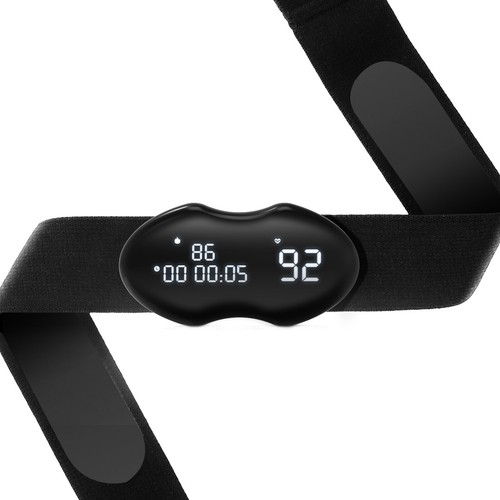
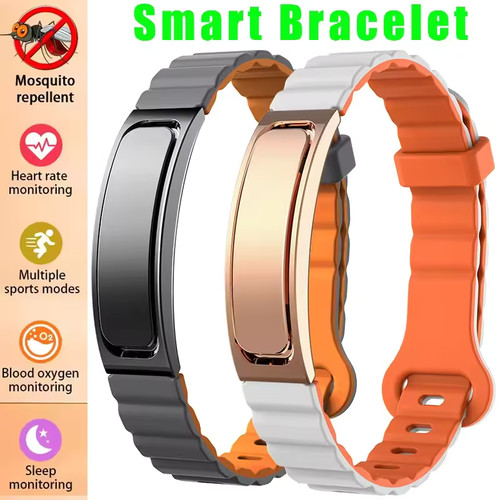
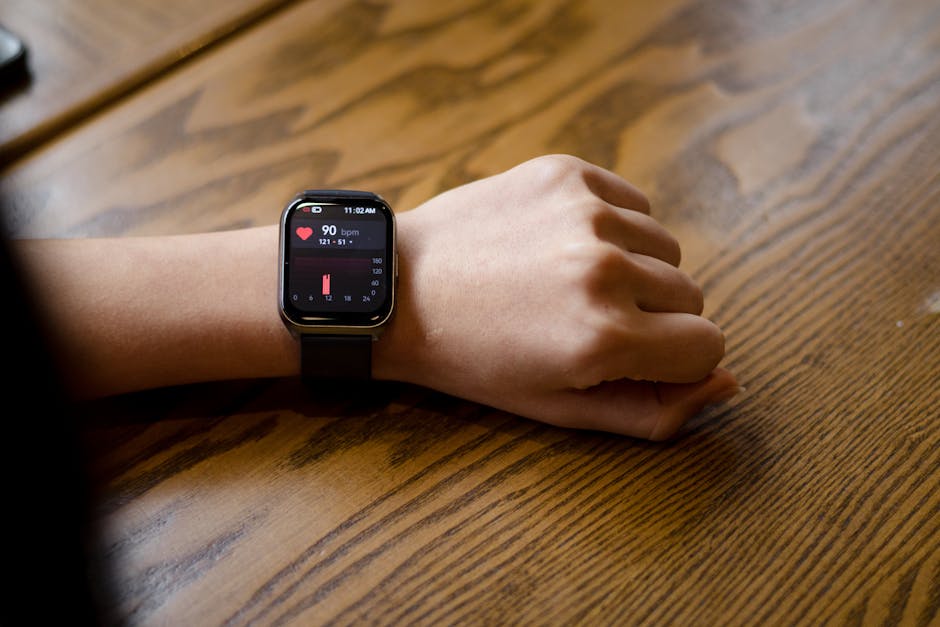
- Measurement Technology: Heart rate monitors typically use either optical sensors or electrical sensors. Optical sensors, often found in wrist-based monitors, use LED lights to measure blood flow, while chest straps use electrical sensors for more precise readings.
- Accuracy: For those needing precise data, such as individuals with heart conditions, chest strap monitors are generally more accurate, with error margins often within ±1 bpm. Wrist-based monitors, while convenient, can have variances up to ±5 bpm.
- Connectivity: Consider monitors with Bluetooth or ANT+ compatibility if you want to sync data with fitness apps or equipment. This feature is invaluable for tracking long-term progress.
- Battery Life: Depending on the device, battery life can range from 5 days to several months. Longer battery life is particularly beneficial for continuous monitoring without frequent recharging.
- Comfort and Design: Ensure the device is comfortable for prolonged use. Wristbands and chest straps come in various materials, and finding one that fits well can prevent discomfort.
Shopping new with fast Prime shipping? Amazon usually has the best stock.
Shop on Amazon →Comparing Different Types of Heart Rate Monitors
To better understand your options, let’s compare different types of heart rate monitors based on their features and ideal use cases.
| Type | Ideal For | Accuracy | Battery Life | Connectivity |
|---|---|---|---|---|
| The wrist-based option | Casual fitness tracking and everyday use | ±3 to ±5 bpm | 5-7 days | Bluetooth, some with ANT+ |
| The chest strap choice | High-intensity workouts and medical-grade tracking | ±1 bpm | Up to 12 months | Bluetooth, ANT+ |
| The budget-friendly finger sensor | Quick spot checks and budget options | ±2 to ±4 bpm | 3-5 days | Limited or no connectivity |
Clinical Insights: Why Accuracy Matters
For those with cardiovascular concerns, the accuracy of a heart rate monitor can impact health management. Erroneous readings may lead to incorrect assumptions about your heart health, potentially delaying necessary medical intervention. Chest strap monitors, due to their direct contact and electrical measurement, provide the accuracy required for those monitoring heart conditions or engaging in high-performance sports.
Common Mistakes When Choosing a Heart Rate Monitor
Avoid these pitfalls to ensure you select the right monitor:
- Overlooking Compatibility: Make sure the monitor is compatible with your smartphone or fitness apps to maximize its utility.
- Ignoring Comfort: A monitor that doesn’t fit well can cause discomfort and discourage regular use. Try different designs to find the best fit.
- Focusing Solely on Price: While budget is important, the cheapest option may not provide the accuracy or features you need for effective monitoring.
Shopping new with fast Prime shipping? Amazon usually has the best stock.
Compare Options on Amazon →FAQs About Heart Rate Monitors
How do heart rate monitors measure heart rate?
Heart rate monitors measure the electrical activity of the heart or the blood flow changes in your body using sensors. Chest straps typically use electrical sensors, while wrist monitors use optical sensors.
Are wrist-based monitors as accurate as chest straps?
Wrist-based monitors are generally less accurate than chest straps, with potential variances of ±3 to ±5 bpm compared to the ±1 bpm accuracy of chest straps. They’re more suited for casual use rather than precise tracking.
Can heart rate monitors detect irregular heartbeats?
Some advanced monitors can alert users to irregular heartbeats, though they should not be solely relied upon for diagnosis. Consult a healthcare provider for any irregularities detected.
How often should I replace the battery in my heart rate monitor?
Battery replacement depends on usage and model. Chest straps often last up to 12 months, while wrist monitors may need charging every 5-7 days.
Do I need a heart rate monitor with GPS?
GPS is beneficial for tracking distance and pace in outdoor activities, but it’s not essential for heart rate monitoring. Consider it if you also want to track running or cycling routes.
What should I do if my heart rate monitor gives inconsistent readings?
Ensure the device is worn correctly and has a good contact with your skin. For chest straps, moistening the sensors can improve accuracy. If inconsistencies persist, consult the manufacturer’s troubleshooting guide or consider professional calibration.
Final Thoughts: Choosing the Right Heart Rate Monitor for You
Ultimately, the best heart rate monitor aligns with your specific needs and lifestyle. Prioritize accuracy if you’re managing a health condition or engage in high-intensity workouts, leaning towards chest strap monitors. For general fitness tracking, a wrist-based option might suffice. Remember, comfort and compatibility with your existing tech ecosystem are just as crucial as the device’s technical specifications. View options to find the heart rate monitor that best suits your needs and enhances your health journey.