6 min read
Disclosure: As an Amazon Associate and eBay Partner Network publisher, we earn from qualifying purchases. This doesn’t affect what we recommend or how we describe it.
Handheld spirometers can vary from under $200 for used clinical models to over $1,000 for new, premium-grade devices. This range isn’t just about price—it’s about who the device is for, what kind of data you get, and how much flexibility you need. If you’re deciding between buying a professional-grade spirometer and a more affordable used model, it pays to know exactly how the specs and features stack up.
Top picks at a glance
- Mir Minispir Handheld PC-Based Spirometer 911006 — the premium professional option
- Vyaire Micro I Handheld Diagnostic Spirometer — best for clinical use
Mir Minispir vs Vyaire Micro I: What separates these two?
Both the Mir Minispir Handheld PC-Based Spirometer 911006 and the Vyaire Micro I Handheld Diagnostic Spirometer are established names in the field. But they’re built for slightly different buyers, and their specs reflect that. The Mir Minispir is a new, premium option designed for clinics or organizations needing robust, ongoing pulmonary function testing. The Vyaire Micro I, typically available used, is a clinical workhorse that’s more budget-friendly and ideal for straightforward diagnostic use.
Detailed comparison: specs, condition, and use-cases

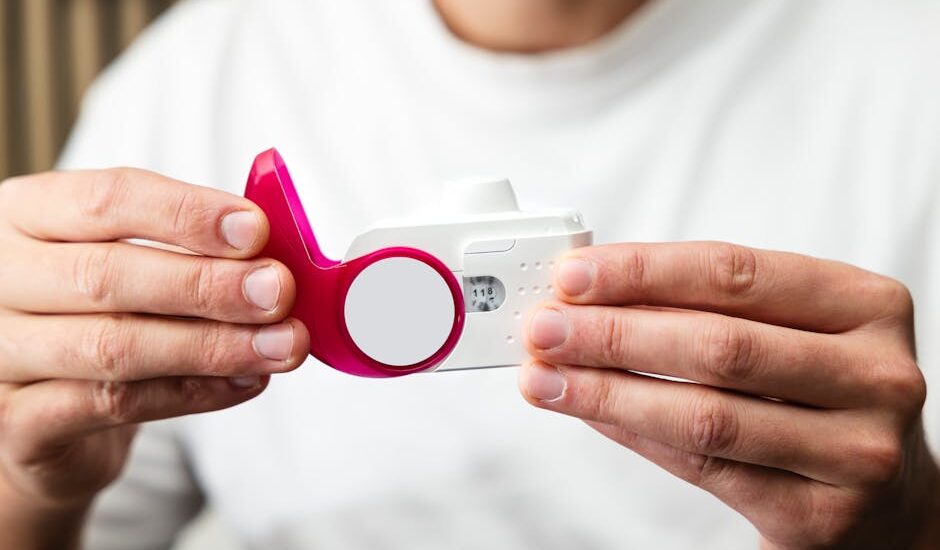
Pictured: Mir Minispir
| Product | Condition | Price | Best For | Connectivity | Data Output |
|---|---|---|---|---|---|
| Mir Minispir Handheld PC-Based Spirometer 911006 |
New | $$$ | Premium, professional use | PC-based (USB) | Digital, software-integrated |
 Vyaire Micro I Handheld Diagnostic Spirometer Vyaire Micro I Handheld Diagnostic Spirometer |
Used | $ | Clinical, budget-conscious buyers | Standalone, downloadable | On-device display, downloadable |
The price column compares within this guide: $ is the budget end, $$ mid, $$$ premium. For exact, up-to-date prices, see the live listings lower in the article.
Related Guides
- Handheld Spirometers That Are Worth Your Money
- Our guide to How to Clean a Dental Mouth Mirror: Step-by-Step Guide
- Our guide to Can Light Therapy Glasses Help You Sleep Better?
- Heated Lumbar Support Pillows for Office Chairs: Are They Worth It?
- How to Disinfect a Pulse Oximeter: A Step-by-Step Guide
- Our guide to Choosing the Right Portable Suction Unit for EMS Professionals
Who should pick the Mir Minispir?
You’ll want the Mir Minispir if you need a professional-grade solution that integrates directly with a PC. This model is new, so you avoid the uncertainties of used equipment—no unknown calibration history or missing parts. The PC-based setup means you get robust digital records and can generate detailed reports for each test. This is especially useful in clinical environments where data needs to be archived or shared across a network.
The Mir Minispir supports a wide range of pulmonary function tests, which is a must for organizations that test more than just basic lung capacity. It’s also better suited for clinics that want to stay current with software updates and compatibility, since it’s still being sold as a new product. If your priority is reliable, ongoing use with minimal downtime, this is the strongest match.
When the Vyaire Micro I makes more sense
The Vyaire Micro I is the better fit if you’re looking for a reputable clinical device without the premium price tag. It’s commonly available used, which brings the cost down significantly. This model is a proven performer—many clinics have relied on it for years for quick, reliable spirometry readings. It displays results directly on the device and allows you to download data for record-keeping.
For buyers who only need basic diagnostic spirometry, or who want a backup device that doesn’t require PC integration, the Micro I is a practical choice. Just be aware that with used equipment, you may need to factor in recalibration or consumable replacement (such as mouthpieces or filters) before clinical use. Still, for straightforward testing, it’s hard to beat on value.
How we evaluated these spirometers
To shortlist these two options, we focused on five key criteria: device condition (new vs used), price tier, data connectivity (PC-based vs standalone), type of data output, and suitability for different types of buyers (clinic, organization, personal use). We compared each product’s listed specifications, manufacturer descriptions, and market positioning to assess where each excels—and where it might fall short for certain buyers.
We excluded generic or unbranded spirometers, models with no stated calibration or service history, and listings that failed to specify connectivity or data export options. Bundled kits that muddied the core device’s identity were also left out. This guide is not for buyers seeking disposable peak flow meters, smartphone-only solutions, or non-diagnostic wellness gadgets. If you need home asthma monitoring or a quick screening tool instead of full diagnostic spirometry, these models are likely overkill.
Red flags in listings to walk past
- No calibration details: If a listing doesn’t mention recent calibration or service, the device may not provide accurate readings. This is critical for diagnostic use.
- Missing software or cables: For PC-based spirometers, lack of original software or connection cables can make the device unusable or limit data export options.
- Unspecified model number: Vague listings that don’t specify the exact model or generation often hide outdated devices or repurposed parts.
- Consumables not included: If mouthpieces, filters, or other required disposables are not mentioned or pictured, you could face extra costs or compatibility hassles.
- Stock photos only: Listings that show only manufacturer stock images and no real photos of the actual unit may be hiding cosmetic or functional issues.
FAQ: Real-world buying questions about handheld spirometers
How often do you need to calibrate a handheld spirometer?
Professional spirometers typically require calibration checks at least once a day in high-use clinical settings, or before each testing session if used less frequently. Always refer to the manufacturer’s recommendations for your specific model. Regular calibration is essential to maintain measurement accuracy.
Is the Mir Minispir worth the higher price over the Vyaire Micro I?
If you need a new device with full manufacturer support, PC integration, and advanced reporting, the Mir Minispir justifies its premium. For straightforward, lower-volume testing where used equipment is acceptable, the Vyaire Micro I delivers excellent value. The price difference mainly reflects new vs used condition, and the depth of features.
Can these spirometers be used at home by non-clinicians?
Both models are designed for clinical environments and assume some familiarity with spirometry protocols. While technically possible to use at home, you should have guidance from a healthcare provider to ensure safe and proper operation. Incorrect technique can lead to inaccurate results.
What should you check when buying a used spirometer?
Confirm the last calibration date, ask about included accessories (like mouthpieces), and request actual photos of the device. It’s also smart to check if the software and cables are included—especially for PC-based units like the Mir Minispir. Missing items can make a bargain less attractive.
How long does a handheld spirometer typically last?
With regular maintenance and calibration, professional handheld spirometers can last 5-10 years or more. Consumables like mouthpieces need replacement far more often—sometimes after each use. The main determinants of lifespan are usage volume and how well the device is cared for.
Mir Minispir vs Vyaire Micro I: Which is better for a busy clinic?
For clinics needing networked data, digital archiving, and consistent manufacturer support, the Mir Minispir is better suited. If your clinic only needs basic on-the-spot spirometry and is managing costs, the Vyaire Micro I is a reliable, cost-effective choice. The right pick depends on your workflow and IT environment.
Final thoughts: match your choice to your workflow
Choosing the best handheld spirometer means weighing your need for new vs used equipment, how you want to handle data, and your clinical workflow. The Mir Minispir stands out for organizations that need seamless PC integration and ongoing support. The Vyaire Micro I is a proven, affordable option if you’re comfortable with used gear and need reliable, standalone results. For those outside of clinical or organizational settings, consider whether you truly need diagnostic-level spirometry—simpler solutions might suffice for basic monitoring. For more on clinical spirometry standards, see the European Respiratory Society.
Last updated: July 2026 · About our research