
Disclosure: As an Amazon Associate and eBay Partner Network publisher, we earn from qualifying purchases. This doesn’t affect what we recommend or how we describe it.
8 min read
The difference between a hearing aid that works seamlessly and one that leaves you straining to hear often comes down to a detail most people overlook: how you replace its batteries. It’s not just a matter of popping in fresh cells; the process varies by hearing aid style, battery size, and even your hand dexterity. Choose the wrong battery, mishandle the contacts, or ignore subtle warning signs, and you risk poor audio quality or even device damage. Here’s what actually matters when replacing hearing aid batteries — and how to do it right for your specific situation. For more detail, see ASHA guide to hearing aid batteries.
The Three Battery Profiles You’ll Encounter
Hearing aids use one of three main battery approaches: disposable zinc-air cells (the classic button batteries), rechargeable lithium-ion packs built into the device, and, less commonly, removable rechargeable modules. Each option has a distinct replacement process, lifespan, and maintenance routine. Understanding which you have — and how to handle it — is the critical first step. For more detail, see NIDCD hearing aid basics.
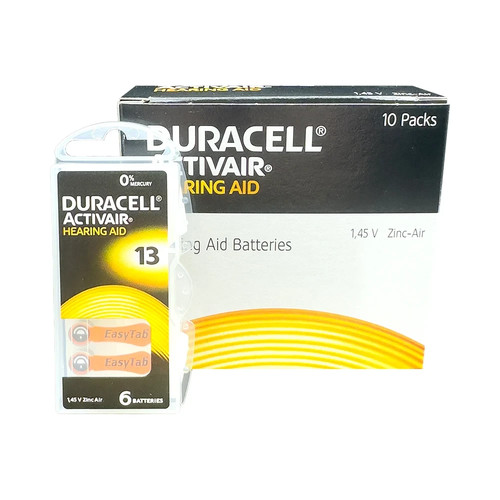
- Disposable zinc-air batteries: Identified by their colored tabs and sizes (10, 312, 13, 675), these require regular manual replacement. They’re air-activated, so timing matters.
- Built-in rechargeable batteries: Sealed inside the hearing aid, these are never user-replaced. When they degrade, the entire device or module goes to a service center.
- Removable rechargeable modules: A hybrid: you swap out the battery pack itself, usually every 1-3 years. Less common, but worth noting for certain high-end or pediatric aids.
For most users, “how to replace batteries in hearing aids” refers to disposable zinc-air types. The process, however, isn’t as straightforward as it seems.
Interested in exploring the category? Open the category →
Why Battery Size and Type Aren’t Interchangeable
Hearing aid batteries come in four standardized sizes, each identified by a number and a color code:
- Size 10 (yellow): 5.8mm diameter, 3.6mm height
- Size 312 (brown): 7.9mm diameter, 3.6mm height
- Size 13 (orange): 7.9mm diameter, 5.4mm height
- Size 675 (blue): 11.6mm diameter, 5.4mm height
The physical fit is non-negotiable. Forcing an incorrect size can damage the battery contacts or case. Voltage (1.45V for zinc-air) is standardized, but capacity — and therefore runtime — differs significantly. For example, size 10 batteries typically last 3-7 days, while size 675 can last up to 20 days under similar use. Always match the size and color code exactly to your device’s requirements.
How the Main Battery Replacement Options Compare
| Buying Profile | Battery Type | Replacement Frequency | Ease of Replacement | Expected Runtime (Per Charge/Cell) | Who It’s Best For |
|---|---|---|---|---|---|
| Classic disposable user | Zinc-air (sizes 10, 312, 13, 675) | Every 3-20 days | Manual, requires fine motor skills | 3-20 days (size-dependent) | Most BTE and ITE hearing aid users |
| Recharge-and-go user | Built-in lithium-ion | Never (user); recharge daily | Charger-based, no battery handling | ~24 hours per charge | Those with dexterity issues, tech-friendly users |
| Removable rechargeable pack | Proprietary lithium-ion or NiMH pack | Every 1-3 years | Requires occasional pack swap | ~24 hours per charge | Users in pediatric or specialty settings |
Step-by-Step: Replacing Zinc-Air Hearing Aid Batteries Correctly
Most hearing aid wearers will interact with disposable zinc-air batteries. Here’s the process that avoids the most common mistakes:
- Wash and dry your hands to prevent moisture or oils from corroding the battery contacts.
- Open the battery door fully. Most battery doors hinge outward; forcing them can break the hinge.
- Remove the old battery by gently tipping it out or using a magnetic tool (especially useful for those with limited dexterity).
- Check the battery compartment for any debris, corrosion, or moisture. Clean gently with a dry cotton swab if needed.
- Take a new battery (matching the correct size and color code), and peel off the colored tab. This activates the battery by exposing it to air.
- Wait 1-2 minutes before inserting. Zinc-air batteries reach full voltage only after “breathing” for at least 60 seconds.
- Insert the new battery with the flat (positive) side facing up — most battery doors indicate orientation with a “+” symbol.
- Close the battery door gently. If it doesn’t close easily, the battery may be upside down or the wrong size.
- Test the device by turning it on and listening for the startup chime or amplification. If it doesn’t power on, recheck the battery orientation and door closure.
Never force the battery door. If it resists, double-check alignment and battery size.
How to Recognize When a Replacement Is Truly Needed
Many hearing aids emit a low-battery warning chime or speech prompt. If not, look for these signs:
- Sound is fading, distorted, or intermittently cuts out
- The device powers off unexpectedly
- No response to controls
With size 10 or 312 batteries, expect to replace every 3-7 days with typical use (10-16 hours/day). Larger 13 or 675 batteries may last 10-20 days. Environmental factors — humidity, temperature, and altitude — can shorten these ranges.
What to Do If You Have Rechargeable Hearing Aids
If your hearing aids are rechargeable, you won’t replace batteries regularly. Instead:
- Place the aids in their charging dock each night. Most reach full charge in 3-4 hours, providing ~24 hours of use.
- If runtime drops below 12 hours per charge, the internal battery may be aging. Contact your provider for service.
- For removable rechargeable packs, follow your manual’s instructions — most swap with a simple latch or slide mechanism, but only every 1-3 years.
Never attempt to open sealed rechargeable models; this risks permanent damage and voids warranties.
Common Pitfalls That Shorten Hearing Aid Battery Life
Battery life isn’t just about chemistry — user habits matter. Here are the most common mistakes and how to avoid them:
- Leaving the battery door closed overnight: This drains zinc-air batteries even when not in use. Always open the door when storing.
- Exposing batteries to humidity: Store spares in a dry, room-temperature place. Avoid bathroom cabinets or direct sunlight.
- Mixing old and new batteries: Always use fresh batteries from the same pack. Combining old and new cells can cause inconsistent performance.
- Touching battery surfaces: Oils from your skin can impede contact. Handle only by the edges whenever possible.
Following these steps can extend battery life by up to 20%, saving money and reducing frustration.
Special Considerations for Dexterity and Vision Challenges
Replacing hearing aid batteries can be tricky for those with limited vision or hand control. Some solutions include:
- Battery caddies with magnifiers or magnetic tools to simplify handling
- Devices with larger battery sizes (13 or 675) for easier gripping and longer intervals between changes
- Rechargeable models that eliminate daily handling altogether
If you struggle with button batteries, consider consulting a hearing care professional about switching to a model that better matches your physical needs.
See what’s available if you want to compare rechargeable and disposable options side by side.
Safe Disposal and Storage of Hearing Aid Batteries
Button batteries pose a choking and poisoning hazard, especially to children and pets. Used batteries should be stored in a sealed container until you can recycle them at a pharmacy or electronics retailer. Never toss them in the trash, as zinc-air batteries contain metals that can leach into soil.
Store spare batteries in their original packaging, away from coins, keys, or other metal objects that could cause short-circuiting. Room temperature, low humidity, and darkness are ideal for battery longevity.
FAQ: Real-World Questions About Replacing Hearing Aid Batteries
How do I know which battery size my hearing aid uses?
The battery size is usually printed inside the battery compartment or in your user manual. The four main sizes (10, 312, 13, 675) are color-coded and not interchangeable. If unsure, bring your device to a hearing care provider for confirmation.
Why does my hearing aid battery die faster than advertised?
Frequent streaming, high amplification, humid environments, or leaving the battery door closed overnight can all shorten battery life. Actual runtime is often 20-30% less than “lab” figures due to real-world usage.
Can I use rechargeable batteries in a hearing aid designed for disposables?
Most hearing aids that use zinc-air batteries cannot use rechargeable alternatives due to voltage and size differences. Only use batteries specified by your device’s manufacturer to avoid damage or poor performance.
Is it safe to carry spare batteries in my pocket or purse?
Only if they remain in their original packaging. Loose batteries can short-circuit if they contact coins or keys, leading to rapid discharge or even leakage. Use a dedicated battery caddy for safety.
What should I do if my hearing aid stops working after a battery change?
First, check that the new battery is inserted with the correct orientation (flat side up), and the battery door is fully closed. If it still won’t power on, try another new battery, then consult your provider if the issue persists.
How do I dispose of used hearing aid batteries?
Collect used batteries in a child-proof container and take them to a pharmacy or electronics store offering recycling. Do not throw them in household waste, as button batteries are hazardous if swallowed and environmentally unsafe.
When to Consider Switching Battery Types
If you find yourself changing batteries more than twice a week, struggling with the small size, or worried about safety around children, it may be time to look at rechargeable options. While the upfront cost is higher, the convenience and peace of mind can outweigh the investment for many users.
Compare today’s deals on rechargeable and disposable hearing aid models to find the right fit for your needs.
What Actually Matters: The Bottom Line on Replacing Hearing Aid Batteries
Replacing hearing aid batteries is more than a chore — it’s a key factor in your device’s performance and your daily comfort. Matching the exact battery size, handling them with care, and following a consistent replacement routine make a tangible difference. If you’re finding the process frustrating, explore rechargeable options or tools that simplify handling. The right approach means clearer sound, fewer interruptions, and less hassle — every day.
View options for hearing aid batteries and tools that make the process smoother.
Related Guides
- Our guide to Mouth Guards for Teeth Grinding: What to Know Before You Buy
- How to Clean Fitness Mats: Tips for a Germ-Free Workout Space
- Our guide to Electric Facial Cleansing Brushes That Are Worth Adding to Your Routine
- How to Charge an Electric Heating Pad: A Step-by-Step Guide
- Water Flosser vs Dental Pick: Which Cleans Better?
- Browse all Educational Guides →
- What Are the Best Hearing Aids in 2026?