Disclosure: As an Amazon Associate and eBay Partner Network publisher, we earn from qualifying purchases. This doesn’t affect what we recommend or how we describe it.
9 min read
The question isn’t whether a wrist-worn smartwatch can call for help—it’s whether it can reliably replace a dedicated medical alert system when seconds count. Both promise peace of mind, but their real-world capabilities, limitations, and suitability for different users diverge more than most buyers realise. If you’re weighing these options, the most important thing to know is this: while a modern smartwatch can mimic some emergency functions, only a medical alert system is designed from the ground up for fast, foolproof emergency response—especially when the user may be unsteady, confused, or physically impaired. For more detail, see Apple Watch Emergency SOS feature.
Why the Distinction Matters: Emergency-First vs. Tech-First Devices
Medical alert systems aren’t just wearable panic buttons. They’re purpose-built for a single job: getting help to you, fast, with the fewest possible points of failure. They use dedicated cellular connections, oversized buttons, and often support fall detection that doesn’t require smartphone pairing. By contrast, a smartwatch is a multi-function device—fitness tracker, notification hub, and, sometimes, an emergency communicator. But its emergency features are secondary, often requiring more steps, more dexterity, and more working components (like WiFi, Bluetooth, or a paired phone) to function correctly.
Amazon is the simplest path when you want the newest model, Prime shipping, and a no-questions-asked return window.
Open Amazon →How the Options Compare: At-a-Glance Breakdown
| Profile | Core Strength | Connection Type | Emergency Activation | Fall Detection | Who Responds? | Battery Life | Monthly Cost |
|---|---|---|---|---|---|---|---|
| Traditional medical alert pendant | Simple, reliable emergency response | Dedicated cellular (no phone needed) | Large button, one-press | Yes, built-in (no phone required) | 24/7 trained monitoring center | 3–30 days (rechargeable or replaceable battery) | $20–$40 |
| Wearable with fall detection | Automatic fall alerts, waterproofing | Cellular or landline (device-dependent) | One-press or auto-activated by fall sensor | Yes, typically included | 24/7 monitoring, often with caregiver alerts | 1–7 days (varies by model) | $25–$45 |
| Tech-integrated smartwatch | Fitness tracking, smart notifications | Bluetooth + smartphone, or cellular (premium) | Multiple steps; press button/hold and swipe | Yes, but only with high-end models | User-defined contacts or 911 (no monitoring center) | 18–48 hours (typical for all-day use) | $0–$10 (cell plan optional, device cost higher) |
| Basic smartwatch | Low cost, basic health features | Bluetooth + smartphone (no standalone emergency call) | Dependent on paired phone, not always direct | No or limited (not clinically validated) | User-defined contacts only | 24–72 hours | $0 (after device purchase) |
What Actually Happens When You Press the Button?
This is where the rubber meets the road. With a medical alert system, pressing the button (or triggering a fall sensor) sends an immediate signal over a dedicated network to a 24/7 monitoring center. Operators typically respond within 30 seconds, speak to you through the device (many have built-in microphones/speakers), and—if you can’t respond—dispatch emergency services to your registered location, which is stored in their secure system.
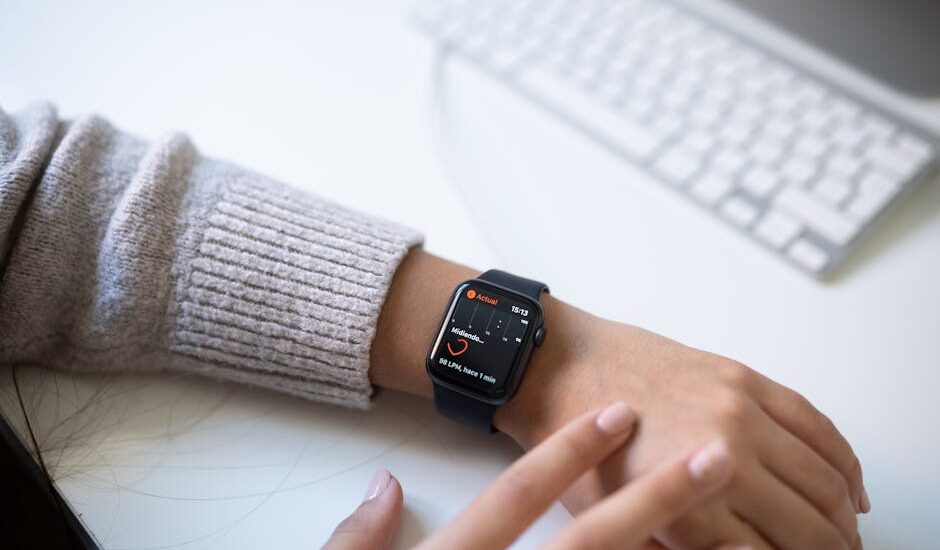
Smartwatches, even premium models with emergency features, usually require a series of inputs: hold a button, swipe, sometimes enter a code. If you succeed, the device can call 911 or send a pre-set alert to your emergency contacts. But there’s no trained dispatcher on the line, and if you’re unable to speak or your contacts don’t answer, help might not arrive at all. If the watch relies on a paired smartphone, and the phone is out of range or out of battery, the emergency function fails entirely.
Fall Detection: Numbers, Limitations, and False Alarms
Fall detection is a key selling point for both categories, but the technology isn’t equivalent. Medical alert devices use accelerometers and gyroscopes calibrated specifically for seniors’ fall patterns, with sensitivity that can detect changes in velocity as low as 2.5g and orientation shifts typical of real-world falls. Many are certified to work even if the user is unconscious or unable to press a button.
Smartwatch-based fall detection, while impressive, is tuned for a broader user base—runners, cyclists, and people under 65. Sensitivity thresholds are typically higher (to avoid constant false alarms during workouts), and the device may require you to confirm you’re okay after a detected fall. If you don’t respond within 30–60 seconds, it will attempt to notify contacts or emergency services, but only if the watch is connected to a network. False positives (triggered by dropping the watch or abrupt movements) and false negatives (missing a slow collapse or soft fall) are both common.
Location Tracking: How Accurate Is “Help Will Find You”?
Medical alert systems with GPS typically offer location accuracy within 5–15 meters outdoors, using a combination of satellite, WiFi, and cellular triangulation. Crucially, this data is transmitted directly to the monitoring center, so emergency responders are dispatched to your exact registered address or the GPS coordinates of the device.
Smartwatches also use GPS, but in an emergency call, the location data may not be automatically shared with 911 or your contacts—especially if you’re using a third-party app or your device is set to privacy mode. If you’re indoors or in a building with poor signal, both systems can struggle, but medical alert providers usually have protocols to verify your last known location and escalate accordingly.
Battery Life and Power Management: The Weakest Link?
Battery life is a practical dealbreaker for many buyers. Traditional medical alert pendants can last anywhere from 3 days (for cellular models) up to 30 days (for basic, non-GPS models), with some using replaceable coin-cell batteries good for months. Most have low-battery alerts sent to caregivers or the monitoring center.
Smartwatches, by contrast, typically last 18–48 hours under real-world use. Always-on displays, continuous heart rate monitoring, and GPS drain the battery rapidly. Forget to charge it one night, and you may go unprotected the next day. While some models offer power-saving modes, these often disable the very features you’d rely on in an emergency.
Check current pricesWater Resistance: Can You Wear It in the Shower?
More than 70% of falls among older adults happen in the bathroom. Medical alert devices are usually rated IP67 or higher, meaning they can withstand full immersion in water for at least 30 minutes—safe for showers, baths, and even accidental drops in the sink. Buttons are designed to be pressed with wet or soapy hands.
Smartwatches vary widely. Some are water-resistant (typically 5 ATM or IP68), but touchscreen controls may not register when wet, and emergency features may be harder to activate if your hands are slippery. Very few are designed to be worn 24/7 in the shower, and many users remove them for charging—leaving you unprotected at a statistically high-risk time.
What About Privacy and Data Sharing?
Medical alert systems collect only the data necessary for emergency response: your name, address, medical conditions, and device status. This information is stored securely and used solely for dispatch and caregiver notification.
Smartwatches gather a much broader range of personal data—location, health metrics, activity, even calendar appointments. Emergency contacts may receive your location and a pre-set message, but there’s no guarantee of privacy controls during an emergency. If you’re concerned about data sharing, check what information your device sends automatically in a crisis and whether you can limit it.
See what’s availableWho Should (and Shouldn’t) Rely on Each Option?
Dedicated medical alert systems are designed for people with a high risk of falls, chronic health conditions, or who live alone—especially if dexterity, vision, or cognitive issues make complex devices impractical. They’re also the only option if you want true 24/7 monitoring and guaranteed emergency dispatch, even if you can’t speak or interact with the device.
Smartwatches make sense for tech-savvy users who already wear them daily, have good hand function, and are comfortable with managing charging, software updates, and emergency settings. For those who want fitness tracking, health data, and occasional peace of mind—but don’t have significant fall risk—a smartwatch can be a convenient, all-in-one solution. But for those with memory issues, poor eyesight, or unreliable phone access, relying on a smartwatch can introduce dangerous gaps in coverage.
Compare today’s dealsCommon Pitfalls When Choosing Between Devices
- Assuming any device with a “help” button is monitored: Many smartwatches only alert contacts—not a trained dispatcher who can send help if you’re unresponsive.
- Ignoring battery maintenance: Medical alert devices often have multi-day batteries and low-battery warnings; smartwatches may leave you unprotected after just a day or two if not charged religiously.
- Overlooking water resistance: If you remove your device to shower or swim, you’re unprotected during high-risk moments.
- Trusting fall detection as foolproof: Both device types can miss slow collapses or generate false alarms, but medical alert devices are usually tuned for higher-risk users.
- Assuming GPS means automatic help: Only medical alert systems guarantee your location is sent to dispatchers; smartwatches may require extra steps or permissions.
Amazon is the simplest path when you want the newest model, Prime shipping, and a no-questions-asked return window.
Compare Options on Amazon →FAQs: Medical Alert Systems vs. Smartwatches
Can a smartwatch fully replace a medical alert system for seniors?
For most seniors at high risk of falls or medical emergencies, a smartwatch cannot fully replace a dedicated medical alert device. While some smartwatches offer emergency calling and fall detection, they typically lack 24/7 monitoring, have shorter battery life, and may require more complex interactions than a single-press pendant.
Do medical alert systems require a smartphone or WiFi?
No, most medical alert systems work independently of smartphones or WiFi. They use built-in cellular connections to contact monitoring centers directly, which is crucial if the user does not own or cannot reliably use a smartphone.
How accurate is fall detection on smartwatches?
Fall detection on smartwatches is improving, but it is not as finely tuned for seniors as purpose-built medical alert devices. False alarms and missed falls can occur, especially with slow collapses or if the user is active. Clinical studies suggest sensitivity varies widely between devices and user populations.
What happens if the device battery dies?
If a medical alert device’s battery dies, most systems send a low-battery alert to monitoring centers or caregivers. With a smartwatch, if the battery dies, all emergency features are disabled until recharged—there’s often no external warning beyond the device itself.
Can you use a medical alert device in the shower?
Yes, most medical alert devices are rated IP67 or higher, meaning they can be worn in the shower or bath. This is a critical advantage, as many falls occur in wet environments where phones or non-waterproof smartwatches are not practical.
Is there a monthly fee for medical alert systems and smartwatches?
Medical alert systems almost always require a monthly subscription, typically $20–$45, covering monitoring and cellular service. Smartwatches may have optional cellular plans (around $10/month) but do not require a monitoring fee—however, you sacrifice professional dispatch in favor of alerting personal contacts or 911 directly.
The Bottom Line: Which Should You Trust in a Crisis?
For users who are truly at risk—especially those living alone, with mobility or cognitive issues—a dedicated medical alert system remains the gold standard. The combination of simple activation, 24/7 monitoring, and robust battery life provides a level of reliability that even the most advanced smartwatch cannot match. If you’re healthy, tech-savvy, and want emergency features as a backup to your daily routine, a smartwatch can offer valuable peace of mind. But if immediate, guaranteed help is non-negotiable, choose the device built for that—and let your smartwatch handle everything else.
Related Guides
- Medical Ice Packs That Actually Work: Top Picks for Pain Relief
- Top Mouth Guards for Teeth Grinding: What to Know Before You Buy
- How to Clean Fitness Mats: Tips for a Germ-Free Workout Space
- Our guide to Electric Facial Cleansing Brushes That Are Worth Adding to Your Routine
- Our guide to How to Charge an Electric Heating Pad: A Step-by-Step Guide
- Browse all Device Comparisons →