Disclosure: As an Amazon Associate and eBay Partner Network publisher, we earn from qualifying purchases. This doesn’t affect what we recommend or how we describe it.
The most useful way to compare treadmills and exercise bikes is to stop thinking in terms of “which is better” and start with “what actually fits the way you want to move, sweat, and recover?” The differences aren’t just about calories burned or space required. They come down to the kind of impact your joints can handle, how much you want to multitask, the way you tolerate repetitive movement, and even how much you care about precise intensity tracking. The best choice isn’t universal — it’s about how each machine’s real-world feel and limitations shape your experience, week in and week out.
How Treadmills and Exercise Bikes Really Differ in Use
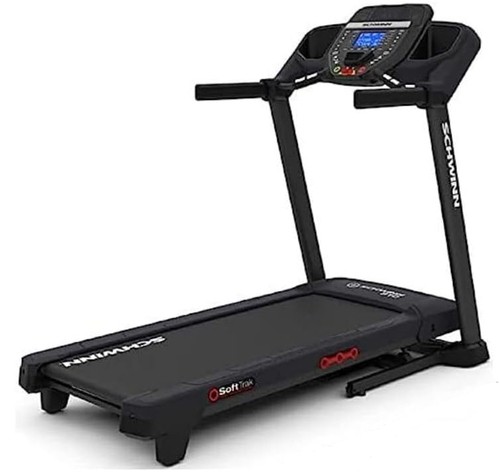
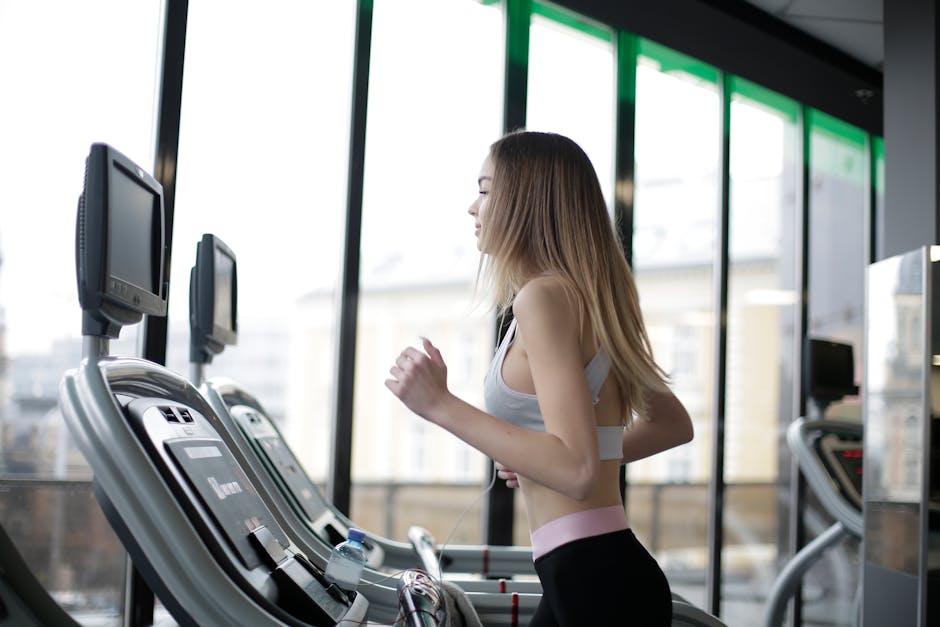
The first thing you notice when stepping onto a treadmill versus sitting on an exercise bike isn’t the stats — it’s the physical experience. Treadmills deliver a weight-bearing, upright workout, with every step absorbing ground reaction force. Exercise bikes, especially recumbent models, offload your body weight and minimize impact, shifting the work to your legs and, depending on the design, your core and back.
For anyone with knee, ankle, or hip sensitivities, this isn’t a small detail. Treadmills typically generate impact forces between 1.5 to 2.5 times your body weight per step, even at moderate speeds. Stationary bikes, by contrast, generate almost no vertical impact — the main stress is rotational force on the knees, which is generally well tolerated unless you have severe joint issues or improper seat alignment.
Shopping new with fast Prime shipping? Amazon usually has the best stock.
Shop on Amazon →Calorie Burn and Cardio: What Matters Beyond the Numbers
On paper, treadmills often edge out bikes for calorie burn, especially at higher running speeds. For a 70 kg (154 lb) person, running at 8 km/h (5 mph) on a treadmill uses roughly 450–500 kcal/hour, while vigorous cycling on a stationary bike (at 160–200 watts) burns around 400–500 kcal/hour. But these lab numbers don’t tell the whole story. Most people can’t sustain running for as long as they can cycle, and perceived exertion is typically lower on bikes, making longer sessions more achievable for many users.
Heart rate response is similar if you push intensity on either machine. Both can deliver moderate to vigorous activity zones (64–90% of max heart rate). But treadmill running is more likely to spike heart rate quickly, while cycling allows more gradual ramp-up and finer control of resistance, especially on bikes with magnetic or electronic resistance adjustment (often in increments as small as 5–10 watts).
Joint Impact and Injury Risk: Who Should Be Cautious
If you’re managing arthritis, recovering from lower limb injuries, or have been told to avoid high-impact exercise, the choice is clear: exercise bikes are dramatically easier on the joints. Treadmills, even when used for walking, still involve continuous impact. The force multiplies with running, and even with the best shock absorption decks (rated around 15–40% impact reduction versus pavement), they can’t eliminate it entirely.
Bikes, especially recumbent designs, shift the load away from the knees and hips. Upright bikes put more stress on the knees, but with proper seat height (knee angle around 25–35° at full extension) and resistance that doesn’t require “mashing” the pedals, most users can avoid aggravating joint pain. If you have severe osteoporosis, balance issues, or are at high risk of falls, bikes are also safer — there’s no risk of being thrown off by a misstep.
See what’s availableHow the Options Compare: Decision-Focused Table
| Buying Profile | Treadmill | Exercise Bike |
|---|---|---|
| Best for joint sensitivity | Moderate to high impact (1.5–2.5x body weight); not ideal for severe joint issues | Minimal impact; recumbent style especially gentle on knees/hips |
| Maximum calorie burn (short sessions) | Higher peak burn (450–800 kcal/hr running); hard to sustain for long durations | Lower peak, but easier to sustain (400–600 kcal/hr vigorous cycling) |
| Space and noise constraints | Typically 170–200 cm long, 70–90 cm wide; 60–80 dB noise at moderate speed | 110–150 cm long, 50–60 cm wide; 40–60 dB noise with magnetic resistance |
| Multitasking during workouts | Limited (running/walking requires focus) | Easy (reading, watching shows, even working on a laptop for some users) |
| Intensity control and data tracking | Incline and speed; heart rate monitoring; step count | Precise wattage/resistance increments; cadence, power output; heart rate |
| Maintenance and durability | Needs belt lubrication (every 3–6 months); motor maintenance | Low maintenance (occasional chain/belt check); fewer moving parts |
| Accessibility for mobility limitations | Step-up height typically 15–25 cm; can be challenging for some | Low step-through (as little as 10 cm); recumbent bikes easiest to mount |
Space, Noise, and Setup: Real-World Fit in Your Home
For most apartments or shared spaces, the physical footprint and noise output of your cardio machine can be the deciding factor. Treadmills demand more space — even compact models are rarely less than 170 cm long, and folding designs still need storage clearance. Exercise bikes, especially upright or folding models, can fit in as little as 110 x 50 cm, and recumbent bikes, while longer, are generally narrower and easier to maneuver.
Noise is another real-world issue. Treadmill motors and foot impact typically produce 60–80 dB at moderate speeds, which is noticeable through walls and floors. Magnetic resistance bikes, on the other hand, can operate as quietly as 40–60 dB — about the level of a normal conversation or background music. If you plan to exercise early, late, or in shared living spaces, this difference is significant.
Compare today’s dealsWhat Intensity and Progression Look Like on Each Machine
Treadmills let you adjust speed in increments (commonly 0.1 km/h or 0.1 mph) and incline (usually in 1% steps up to 10–15% grade). This makes progressive overload straightforward, especially for interval training. However, treadmill running or fast walking is physically demanding — fatigue and impact often limit session length before cardiovascular strain does.
Exercise bikes offer finer resistance control, with increments as small as 5–10 watts on electronic models, and cadence (pedal speed) can be precisely tracked. This allows for tailored interval training, steady-state workouts, and even power-based training zones (functional threshold power, or FTP, is a common cycling metric). Most people can sustain higher total weekly volume on a bike due to lower perceived exertion and minimal joint stress.
Common Mistakes: What to Watch Out For
- Ignoring fit and ergonomics: Poor treadmill deck cushioning or improper bike seat height can quickly lead to pain or overuse injuries. For bikes, seat height should produce a knee angle of 25–35° at full pedal extension. Treadmills should have a deck at least 45 cm wide and 120 cm long for comfortable use.
- Overestimating calorie readouts: Both machines often display inflated calorie numbers. Unless the device lets you input your age, weight, and sometimes heart rate, expect a margin of error of 15–25%.
- Assuming all bikes/treadmills are equally quiet: Cheaper treadmills with less motor insulation can be noisy. Bikes with friction (rather than magnetic) resistance can squeal at higher loads.
- Neglecting maintenance: Treadmill belts require lubrication every few months and occasional alignment. Bikes need less frequent upkeep but check pedal tightness and resistance mechanisms annually.
Who Gets More from a Treadmill: Specific Use Cases
If your primary goal is weight-bearing exercise for bone density, or you’re training for outdoor walking or running events, treadmills win. The repetitive impact helps maintain or build bone strength, especially important for adults at risk of osteoporosis. Treadmills are also the better option for those who enjoy “zoning out” with rhythmic movement or want the option of interval sprints — few bikes can match the all-out intensity of a treadmill sprint.
However, if you have balance issues, a history of falls, or need to be able to step off quickly, treadmills may pose more risk. Always look for safety rails and an emergency stop tether if you go this route.
Who Gets More from an Exercise Bike: Key Scenarios
Exercise bikes are ideal if you need a joint-friendly cardio option, want to multitask while working out, or prefer longer, lower-intensity sessions. They are also a strong choice for people with limited mobility or who want a machine that’s easy to get on and off — recumbent bikes, in particular, have a step-through height as low as 10 cm and a stable, chair-like seat.
If you have a background in cycling or want to train with precise power output, an exercise bike allows you to track watts, cadence (RPM), and heart rate, letting you follow structured programs found in cycling training literature.
Shopping new with fast Prime shipping? Amazon usually has the best stock.
Compare Options on Amazon →FAQ: Real Questions About Treadmills vs Exercise Bikes
Which is better for losing weight: treadmill or exercise bike?
Both can support weight loss if you’re consistent, but treadmills tend to burn more calories per minute at high intensities. However, bikes are often easier to use for longer sessions or more frequent workouts due to lower joint impact, which can add up to greater total calorie burn over time.
Are treadmills bad for your knees compared to bikes?
Treadmills place more impact on the knees, especially when running. If you have existing knee pain or are recovering from injury, exercise bikes are generally safer and less likely to aggravate joint issues. Proper form and appropriate resistance are important on both machines.
Can you build muscle with a treadmill or exercise bike?
Neither is ideal for significant muscle building, but both can improve lower body endurance and tone. High-resistance cycling (at 150+ watts) can strengthen quads and glutes, while treadmill incline walking or running can engage calves and hamstrings. For serious muscle gains, resistance training is required.
How much space do you really need for each?
Treadmills typically require a footprint of at least 170 x 70 cm and overhead clearance for running. Exercise bikes need less space, with many upright models fitting in a 110 x 50 cm area. Always allow extra room for safe mounting and dismounting, especially for treadmills.
Is it easier to multitask on a treadmill or bike?
Exercise bikes are much better for multitasking. You can read, watch TV, or even use a laptop on many upright or recumbent bikes. Treadmills require more focus to maintain balance and avoid missteps, especially at higher speeds or inclines.
Which is quieter: treadmill or exercise bike?
Exercise bikes, especially those with magnetic resistance, are significantly quieter (40–60 dB) compared to treadmills (60–80 dB). If you need to exercise in a shared space or during quiet hours, a bike is usually the better pick for noise control.
Bottom Line: Which Machine Belongs in Your Home?
If you want the most joint-friendly, low-maintenance, multitasking-friendly cardio machine, an exercise bike — especially a magnetic resistance upright or recumbent — is your best bet. If you need a weight-bearing workout, crave the mental challenge of running or incline walking, or are training for outdoor events, a treadmill is hard to beat. The right choice is the one you’ll actually use, week after week, given your space, body, and habits. Prioritize physical fit and long-term comfort over short-term calorie numbers, and you’ll end up with a machine that truly supports your health goals.