Disclosure: As an Amazon Associate and eBay Partner Network publisher, we earn from qualifying purchases. This doesn’t affect what we recommend or how we describe it.
Price, storage space, and intimidation factor often matter more than “features” when you’re new to working out at home. Most beginner-friendly equipment is marketed as “versatile,” but the reality is that some gear will collect dust unless it fits your actual living space, comfort level, and ability to progress. The best home workout equipment for beginners isn’t about having the most gadgets—it’s about picking a small handful of tools that get used, make sense for your goals, and won’t overwhelm you or your available floor space.
Which Equipment Actually Gets Used by Beginners?
Not every piece of home fitness gear works well for someone just starting out. Some products look great in ads but end up unused because they require too much space, are confusing to set up, or demand a higher baseline of strength or coordination than most beginners have. Here’s what consistently works for real-world beginners:
- Resistance bands: These offer 5–50 lbs of resistance (sometimes more), take up less space than a shoebox, and let you train every major muscle group. They’re also less intimidating than free weights and safer if you lose control.
- Adjustable dumbbells: A beginner set usually ranges from 2–20 lbs per dumbbell. Adjustable designs mean you don’t need a rack of weights, and you can increase resistance as you get stronger.
- Yoga mat: A mat at least 68” x 24” and 4–6mm thick cushions your joints for floor exercises, stretching, and yoga. Look for a non-slip surface—many budget mats slide on hard floors, which is both annoying and potentially unsafe.
- Stability ball: Typically 55–65cm in diameter for most adults, this is ideal for core work and balance training. Make sure it’s burst-resistant and rated for at least 250 lbs.
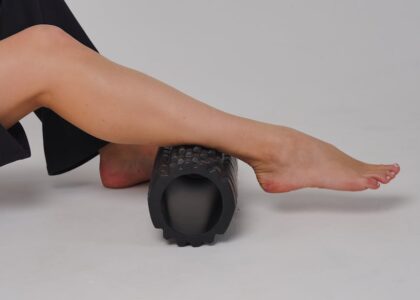
- Foam roller: About 18–24” long and 5–6” in diameter. These help with muscle recovery and flexibility. Avoid ultra-firm rollers at first—they can be painful for beginners.
- Jump rope: Adjustable-length ropes (8–10 feet) are great for cardio and coordination. They take up almost no space and cost very little.
Other popular options—like kettlebells, pull-up bars, or big cardio machines—can work, but they’re often less approachable for beginners due to cost, space, or skill barriers.
Shopping new with fast Prime shipping? Amazon usually has the best stock.
Shop on Amazon →How the Options Compare for Real-World Use
| Equipment Type | Space Needed | Weight Range / Resistance | Versatility | Beginner Safety | Typical Cost | Best For |
|---|---|---|---|---|---|---|
| Resistance Bands | Minimal (fits in drawer) | 5–50 lbs (variable) | Full-body strength, stretching | Very high | $10–$35/set | Strength, flexibility, travel |
| Adjustable Dumbbells | 2–3 sq ft (pair) | 2–20 lbs/dumbbell (expandable) | Strength, basic cardio | High (if used properly) | $40–$120/pair | Progressive strength gains |
| Yoga Mat | 68″ x 24″ (rolls up) | N/A | Stretching, yoga, bodyweight | Very high | $15–$50 | Floor work, comfort |
| Stability Ball | 3′ diameter space | N/A | Core, balance, stretching | High (with correct inflation) | $20–$40 | Core strength, posture |
| Foam Roller | 18–24″ long | N/A | Recovery, flexibility | Very high | $10–$30 | Muscle soreness, stretching |
| Jump Rope | 10′ clearance | User-controlled | Cardio, coordination | High (if sized correctly) | $7–$25 | Cardio, warmups |
Space, Storage, and Setup: What Actually Fits in a Home?
Many beginners discover the hard way that “home gym” equipment can quickly overwhelm a living room or bedroom. Cardio machines like treadmills or rowing machines often require 15–30 square feet each and can weigh over 100 lbs—making them impractical for apartments or multipurpose spaces. In contrast, resistance bands, a yoga mat, and a pair of dumbbells can all fit in a closet or under a bed. Even a stability ball, while bulky, is light and can double as a desk chair.
Look for equipment that sets up in under 2 minutes and stores out of sight. If your space is limited, prioritize gear that is multi-use (e.g., resistance bands for both strength and stretching) and avoid anything that requires permanent installation (like wall-mounted pull-up bars).
Why Resistance Bands Are the Most Beginner-Friendly Strength Tool
Resistance bands are the only piece of home fitness equipment that lets you safely train every major muscle group—even if you’ve never worked out before. Unlike fixed-weight dumbbells or kettlebells, you can start with as little as 5 lbs of resistance and work up gradually. Bands also reduce injury risk because they don’t rely on gravity alone—if you lose grip, they snap back rather than dropping on your foot.
For most beginners, a set that includes at least three bands (e.g., light, medium, heavy) covers the full range of home exercises. Some sets also include door anchors or handles, which expand your options for rows, presses, and core work. Choose bands that are at least 48” long for full-body use. See what’s available.
Making Dumbbells Work in Small Spaces
Dumbbells are the gold standard for building strength, but a full rack isn’t realistic for most homes. Adjustable dumbbells—where you change the weight by adding or removing plates—let you cover everything from 2 to 20 lbs (sometimes higher) per hand without taking up more than 2–3 square feet. This range is ideal for beginners, who often start with 5–10 lbs for upper body and 10–20 lbs for lower body exercises.
Look for a set that adjusts in 2–5 lb increments. Avoid very bulky adjustable designs—they can be awkward for smaller hands and make some exercises harder to perform with good form. Check current prices.
Mat Thickness, Material, and Why It Matters
Any floor-based workout—yoga, Pilates, stretching, or bodyweight strength—requires a mat thick enough to protect your knees and wrists but thin enough to stay stable. Most people do well with a mat 4–6mm thick; thinner mats (2–3mm) are too hard for joint comfort, while thicker mats (8mm+) can feel unstable for balance poses.
Look for TPE or natural rubber if you want good grip; PVC mats are cheaper but can be slippery, especially if you sweat. Mats longer than 68” are better for anyone over 5’10”. A textured surface prevents sliding on hardwood or tile. Compare today’s deals.
What to Avoid: Equipment That Seems Beginner-Friendly, But Isn’t
Some gear is heavily marketed to beginners but causes more frustration than progress. Here’s what to think twice about:
- Large cardio machines: Treadmills, ellipticals, and exercise bikes are expensive, take up lots of space, and often become clothes racks. Unless you have a dedicated room and a proven habit of cardio, start with a jump rope or bodyweight circuits.
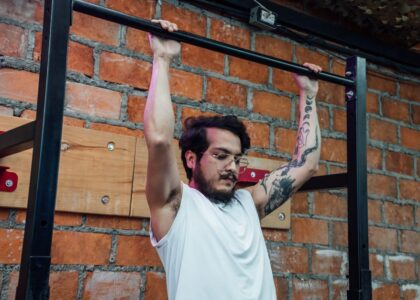
- Pull-up bars: Doorway pull-up bars seem simple, but many beginners can’t do a single pull-up and may damage doorframes. Resistance bands are a better first step for upper body strength.
- Ab wheels: These require significant core strength and can strain the lower back if used incorrectly. Planks and stability ball rollouts are safer for most beginners.
- Heavy kettlebells: While versatile, kettlebells often start at 15–20 lbs, which is too heavy for many beginners. Poor form can lead to wrist or back injuries.
- Mini step platforms: These can be useful for some, but most are too short (under 6” high) to provide a real cardio challenge, and they take up precious floor space.
Related Guides
- Air Purifiers vs Humidifiers: Which One Does Your Home Really Need?
- Elliptical Machine vs Recumbent Bike: Which Is Better for Your Workout?
- Top Electric Nail Files Worth Trying for Salon-Quality Results at Home
- The Best Acupressure Mats Worth Trying for Home Wellness
- Red Light Therapy Panels for Home Use: What to Know Before You Buy
- Best ECG Monitors for Home Use 2026: Our Top Picks
- Browse all Buying Guides →
Progression: How to Upgrade as You Get Stronger
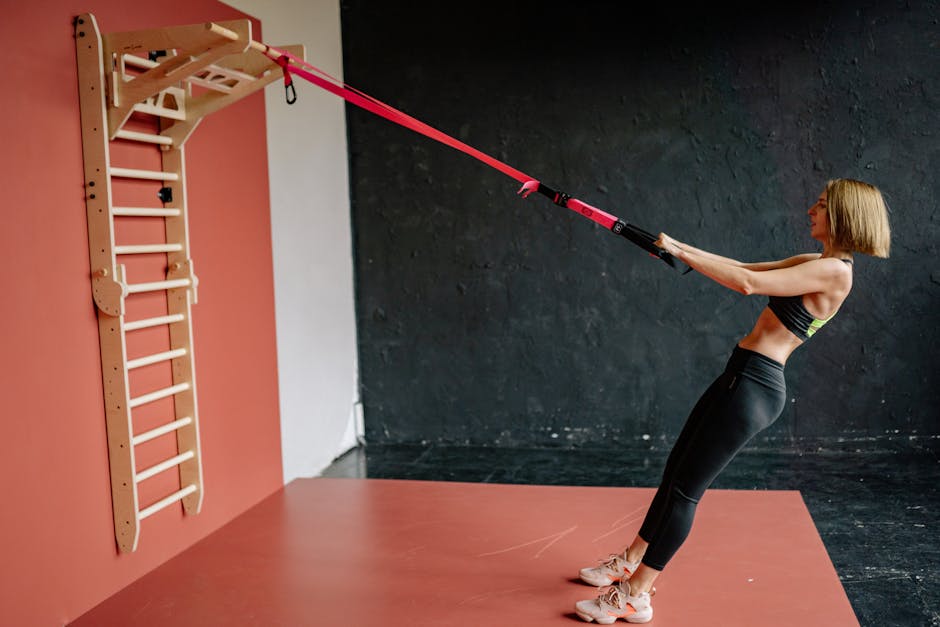
As you gain confidence and strength, you may want to increase your resistance or add new movements. Adjustable dumbbells can often be expanded with extra plates. Resistance band sets can include heavier bands (up to 100 lbs). If you outgrow your current setup, consider adding a single heavier kettlebell (8–12 kg/18–26 lbs) or a suspension trainer that anchors to a door for more challenging bodyweight moves—but only when you can perform basic exercises with good form.
For cardio, upgrading from a jump rope to a compact stepper or folding exercise bike can make sense, but only if you know you’ll use it regularly. Never buy advanced gear in hopes that it will “motivate” you—let your actual usage habits guide your next purchase. View options.
Common Mistakes Beginners Make With Home Equipment
- Buying too much at once: Most people only use 2–3 pieces of equipment regularly. Start small and add as needed.
- Ignoring weight/resistance ranges: A 20 lb kettlebell or fixed-weight dumbbell is too heavy for many beginners. Adjustable options are safer and more flexible.
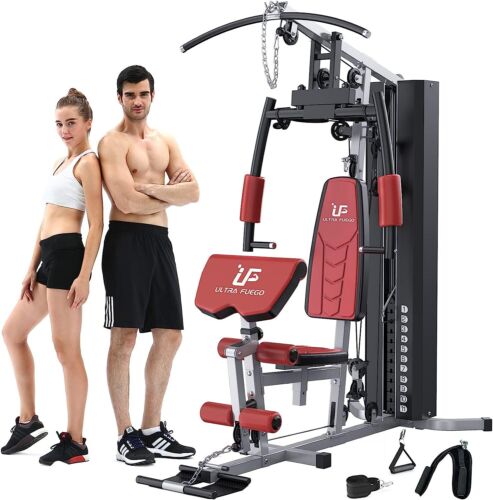
- Choosing “multi-gym” devices: Bulky, all-in-one machines are rarely used to their full potential and dominate a room.
- Overlooking storage: If it’s hard to put away, it’s less likely to get used. Foldable or compact gear is best for shared spaces.
- Not checking surface compatibility: Mats that slide on hardwood or bands that snap easily are frustrating and may cause injury.
Shopping new with fast Prime shipping? Amazon usually has the best stock.
Compare Options on Amazon →FAQs: Real Questions Beginners Ask About Home Workout Equipment
What’s the minimum equipment needed for a full-body workout at home?
You can do a full-body routine with just a set of resistance bands and a yoga mat. Bands let you train upper and lower body, and a mat provides comfort for floor work. Dumbbells add variety, but aren’t strictly necessary for beginners.
How much should a beginner spend on home workout gear?
Most beginners get everything they need for $50–$150 total. Resistance bands, a mat, and an entry-level dumbbell set cover almost all basic needs. Avoid big upfront costs until you know what you’ll use regularly.
Are resistance bands as effective as dumbbells for beginners?
For most beginners, yes. Bands provide progressive resistance, are easier on joints, and allow for a wide range of exercises. They’re especially useful if you have limited space or want to avoid heavy weights.
How do I choose the right weight for dumbbells as a beginner?
Start with adjustable dumbbells that go from 2–20 lbs. Most beginners use 5–10 lbs for arm and shoulder exercises and 10–20 lbs for legs and chest. If in doubt, choose a lighter set—you can always add weight as you progress.
Is it worth buying cardio equipment as a beginner?
Not usually. Large cardio machines are expensive and take up space. Most beginners get enough cardio from bodyweight circuits or a jump rope, which costs less and stores easily.
How do I keep my home workout equipment from taking over my living space?
Choose compact, multi-use gear like resistance bands, a mat, and adjustable dumbbells. Store them in a basket or under a bed when not in use. Avoid anything that can’t be quickly set up or put away.
Bottom Line: The Best Starter Setup for Home Workouts
Start with a set of resistance bands, an adjustable pair of dumbbells, and a quality mat. This trio covers nearly every beginner need—strength, flexibility, and comfort—without dominating your living space or budget. Add a stability ball, foam roller, or jump rope if you want more variety, but don’t overbuy. The best equipment is the stuff you actually use, not the latest gadget on your feed. Build your setup thoughtfully and let your real habits guide any upgrades.