8 min read
Most fitness trackers measure heart rate using optical sensors, but the gap between their advertised “accuracy” and what you actually get can be surprisingly wide. Even the best wrist-based trackers are rarely as precise as a chest strap, and for certain activities, the difference is more than just a number—it can affect your training decisions, your health insights, and your trust in the device. Understanding what influences fitness tracker heart rate accuracy, how to interpret the numbers, and which configurations actually deliver on their promises is the only way to avoid disappointment—or worse, false confidence in your health data. This guide goes deep into the science, the specs, and the real-world trade-offs, so you can make a truly informed decision.
Why wrist-based heart rate readings aren’t all created equal
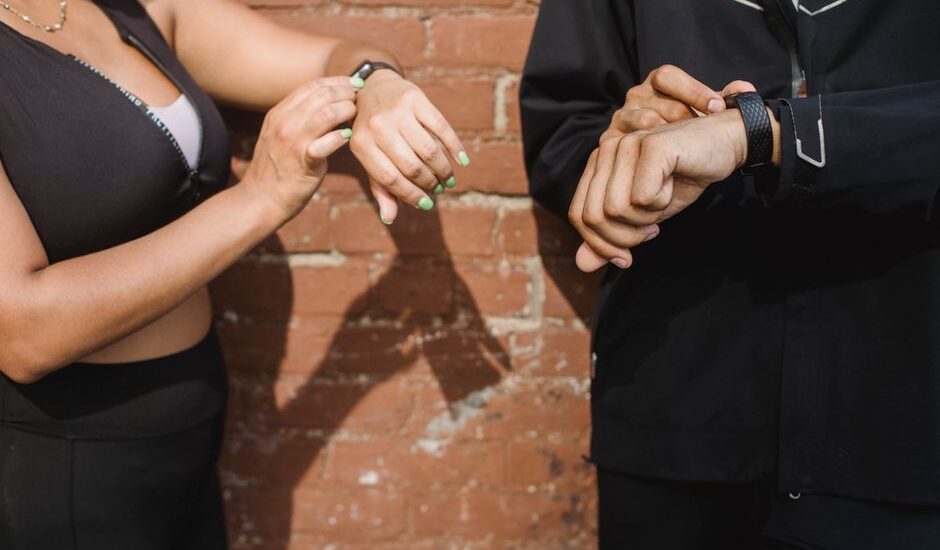
Most fitness trackers use photoplethysmography (PPG)—tiny LEDs that shine light into your skin and measure changes in blood flow. It’s a clever, noninvasive method, but it’s also highly sensitive to movement, skin tone, sensor placement, and even how tightly the band is worn. Unlike ECG-based chest straps, which directly measure the electrical signals of your heart, wrist trackers work with indirect signals that can be thrown off by sweat, tattoos, ambient light, or a loose fit.
Clinical studies consistently show that wrist trackers are accurate within ±5-10 beats per minute (bpm) at rest, but their accuracy can drop to ±15 bpm or worse during high-intensity or high-movement activities. For interval training or running, that margin can mean the difference between hitting your target zone and missing it entirely. If you’re using your tracker for casual step counting, this may not matter. But if you’re training for performance, or monitoring a medical condition, the gap is significant.
How the main fitness tracker configurations compare for heart rate precision
| Configuration | Sensor Placement | Typical Accuracy (bpm error) | Best Use Case | Battery Life |
|---|---|---|---|---|
| Wrist-worn PPG band | Wrist (top) | ±5-15 bpm | Everyday activity, sleep | 5-7 days |
| Arm/upper-arm optical band | Forearm/upper arm | ±3-8 bpm | HIIT, cycling, gym workouts | 2-4 days |
| Chest strap ECG | Chest (sternum) | ±1-3 bpm | Endurance & interval training | 20-30 hours |
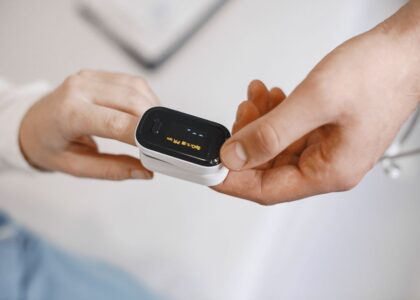
| Finger-based tracker | Finger | ±4-10 bpm | Sleep, 24/7 tracking | 4-7 days |
| Clip-on optical sensor | Anywhere (skin) | ±6-12 bpm | Discreet daily wear | 3-5 days |
What most buying guides get wrong about “accuracy” claims
Marketing materials love the word “accurate,” but rarely back it up with hard numbers—or they cite “lab conditions” that don’t match real-world use. A device rated within 2 bpm in a controlled study may drift far outside that in a hot gym or on a cold morning run. Even within the same configuration, two wrist trackers can perform very differently depending on the quality of their sensors, the algorithms used to filter noise, and how well they fit your wrist.
There’s also no single standard for accuracy testing. Some brands use resting heart rate as their benchmark, where even budget devices do well. But as soon as you add motion, sweat, changes in skin temperature, or rapid heart rate shifts, performance often drops. Look for published validation studies or third-party testing—ideally under conditions that match how you’ll actually use the tracker. And remember: for truly critical applications, no consumer-grade wrist tracker is a substitute for medical-grade ECG.
Who should (and shouldn’t) trust wrist-based heart rate data?
If you’re using a fitness tracker to get a general sense of daily activity, sleep trends, or average heart rate, a wrist-worn device is usually “accurate enough.” For casual exercisers, the difference between 120 bpm and 125 bpm is unlikely to matter. But if you need precise zone-based training, or are tracking heart rate for medical reasons, the error range can undermine your goals or even give a false sense of security.
Those with darker skin tones, tattoos, or very thin wrists may see more errors, since optical sensors can have trouble with skin pigmentation and fit. If you do a lot of high-intensity interval training, or sports with rapid movement, consider an upper-arm or chest strap configuration, which is less prone to motion artifacts. And if your doctor has asked you to track heart rate, always verify the readings with a clinical device before making health decisions.
Why chest straps still lead for real-time accuracy
Chest strap heart rate monitors use ECG (electrocardiography) sensors, which directly detect the electrical signals from your heart. This method is less affected by movement, skin tone, or band tightness, and consistently delivers accuracy within ±1-3 bpm—close to what you’d see in a hospital setting. Chest straps are the standard in sports science, and the reference for most clinical research on wearables.
The trade-off? Chest straps can be less comfortable for all-day wear, and battery life is measured in hours rather than days. They’re also less discreet than a slim wrist band. But for anyone who relies on heart rate zones for performance training, or needs real-time precision, the chest strap is still the gold standard. If you only want to track sleep or resting heart rate, a wrist or finger-based tracker is usually sufficient.
View options
Related Guides
- How Accurate Are Fitness Tracker Heart Rate Monitors?
- Elliptical Machine vs Treadmill: Which Is Better for Fitness?
- Our guide to Smart Ring vs Fitness Band: Which Wearable Is Right for You?
- Vibration Plate vs Balance Board: Which Is Better for Fitness?
- Our guide to How to Clean Fitness Mats: Tips for a Germ-Free Workout Space
Specifications that actually matter
Sensor sampling rate
This is how often the device measures your pulse, typically in Hz (samples per second). Higher rates (>=25 Hz) capture rapid heart rate changes more accurately, especially during interval training. Lower rates can miss spikes or drops between samples.
Optical sensor wavelength
Most wrist trackers use green LEDs (520–560nm), but some add red/infrared (630–940nm) for improved accuracy on darker skin or during movement. Multiple wavelengths increase versatility but may reduce battery life.
Algorithm latency
This is the delay between your heart beating and the reading being displayed. For real-time training, look for latencies under 2 seconds. Longer delays can make interval or zone-based training frustratingly imprecise.
Fit adjustment range
Trackers with a wider strap adjustment range (at least 5–6 cm) allow for a snug, stable fit—a critical factor for optical accuracy. Too loose, and readings drift; too tight, and blood flow is restricted.
Water and sweat resistance
Ratings of IP67 or higher ensure the device can handle sweat and showers without sensor fogging or corrosion. Lower ratings can lead to unreliable readings during intense workouts or outdoor runs.
FAQ: Real answers about fitness tracker heart rate accuracy
How much can wrist-based heart rate readings differ from chest straps?
Wrist trackers typically show errors of ±5-15 bpm compared to chest straps, especially during rapid movement or interval training. The gap is smallest at rest, but can be significant during exercise, particularly for activities that involve arm movement or sweat.
Are fitness tracker heart rate readings reliable enough for medical use?
Consumer fitness trackers are not medical devices and should not be relied upon for diagnosis or clinical decisions. While they can track trends, their readings are not validated for arrhythmias, heart conditions, or medication monitoring. Always consult a healthcare provider for medical-grade measurements.
Do fitness trackers work accurately for all skin tones and tattooed skin?
Optical heart rate sensors can be less accurate on darker skin tones or tattooed areas, as the ink or pigmentation can interfere with the light signal. Some devices use multiple wavelengths to minimize this, but accuracy still varies by individual. Placing the sensor on untattooed, lighter skin improves reliability.
How often should a fitness tracker sample your heart rate for best accuracy?
For real-time exercise tracking, a sampling rate of 25 Hz or higher (25 times per second) is ideal. Lower rates may miss quick heart rate changes, leading to underestimation or lag in displayed readings. Check device specs for sampling frequency before purchasing.
Chest strap vs wrist tracker: Which is better for interval training?
Chest straps are much more accurate for interval training because they use ECG sensors that respond instantly to heart rate changes. Wrist trackers often lag or show greater error during rapid heart rate shifts, making them less reliable for zone-based workouts or sprints.
What’s the typical warranty or return policy for fitness trackers?
Most fitness trackers come with a 1-year limited warranty covering defects in materials or workmanship. Return policies vary by retailer, but typically range from 14 to 30 days. Always check the specifics before buying, especially if you have concerns about fit or performance.
Where to find independent validation of tracker accuracy
For anyone who cares about more than marketing claims, third-party validation is key. Look for peer-reviewed studies or certifications from independent labs. The Consumer Reports website regularly tests popular tracker categories for heart rate accuracy, and many academic sports science journals publish comparative research. Regulatory bodies like the FDA also provide guidance on what constitutes a medical-grade heart rate monitor, though most consumer trackers are not held to these standards.
Bottom line: if you just want to see your average heart rate or track sleep trends, a wrist-based tracker is usually good enough. But for high-intensity training or anything health-critical, only a chest strap or a clinically validated device deserves your trust. Don’t let marketing hype or a pretty app convince you otherwise—accuracy is a number, not a promise.
Last updated: June 2026 · Editorial standards