9 min read
Disclosure: As an Amazon Associate and eBay Partner Network publisher, we earn from qualifying purchases. This doesn’t affect what we recommend or how we describe it.
Most fitness guides frame the elliptical trainer and stair climber as interchangeable cardio machines, but that misses the real decision point. The most important difference isn’t just “which burns more calories” or “which is easier on your joints”—it’s how each machine targets your body, fits your living space, and sustains your motivation over months of real-world use. If you’re comparing these two, you’re not just picking a piece of equipment; you’re deciding how you want to move, sweat, and stick with exercise for the long haul.
Elliptical and Stair Climber: What Sets Them Apart Physically
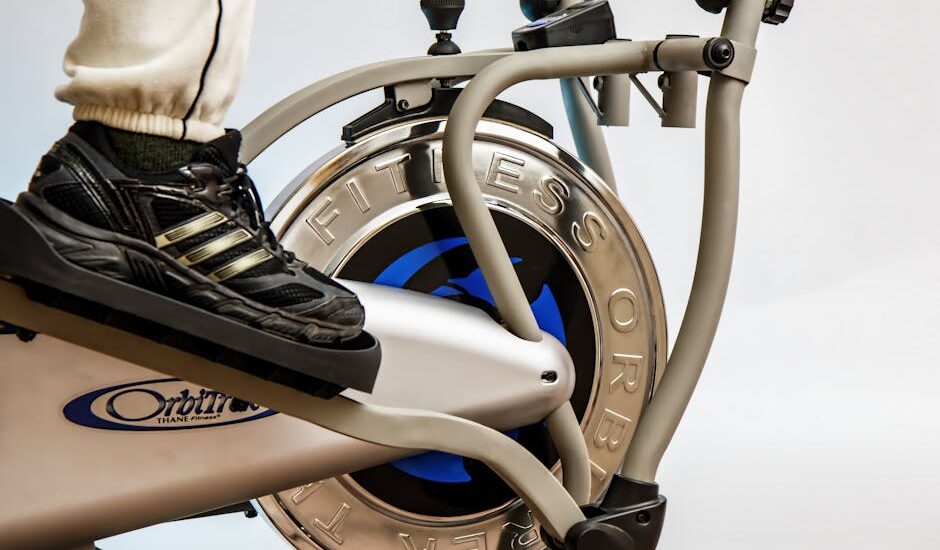
Despite both being staples in gyms and home setups, the elliptical trainer and stair climber deliver fundamentally different movement patterns. The elliptical mimics a gliding, low-impact stride, allowing a full range of motion for both the upper and lower body. Most models offer stride lengths between 16″ and 22″, and some include movable handles for arm engagement. Resistance is typically adjustable in 16-32 levels, with flywheel weights ranging from 12 to 30 lbs for home units.
Stair climbers simulate continuous stair ascent, engaging the lower body with a step height often between 6″ and 8″. Some units use rotating steps (more like an escalator), while others use independent pedals. Unlike ellipticals, stair climbers rarely offer significant upper-body involvement. Their resistance systems can be mechanical or digital, with step rates from 24 to 160 steps per minute depending on the design.
How the Options Compare: Key Differences Side-by-Side
| Category | Typical Size (L x W, in.) | Primary Muscle Focus | Impact Level | Resistance Range | Price |
|---|---|---|---|---|---|
| Compact Elliptical | 50 x 25 | Legs, glutes, arms | Very low | 16–20 levels | $$ |
| Full-Stride Elliptical | 75 x 30 | Legs, glutes, arms, core | Very low | 20–32 levels | $$$ |
| Pedal-Style Stair Climber | 42 x 24 | Quads, calves, glutes | Moderate | 8–16 levels | $ |
| Rotating-Step Stair Climber | 58 x 34 | Quads, glutes, calves | Moderate-high | 24–160 steps/min | $$$ |
$ / $$ / $$$ indicates budget / mid-range / premium relative to the picks above. Check live listings further down for current prices.
Related Guides
Muscle Activation: Which Machine Builds What?
Elliptical trainers are unique in how they distribute effort across the body. Studies using electromyography (EMG) show significant activation in the quadriceps, hamstrings, glutes, and—if you use the moving handles—the biceps and triceps. The stride’s arc and resistance level can be adjusted to bias either glutes or quads. For users with joint issues, the elliptical’s near-zero-impact motion (measured at under 1.2x body weight peak force in clinical studies) is a major advantage.
Stair climbers, by contrast, concentrate the workload on the lower body. The stepping action heavily recruits the quadriceps and calves, with secondary glute activation. Because your foot never leaves the pedal or tread, the impact is lower than jogging but higher than an elliptical—force readings typically land between 1.3x and 1.6x body weight per step. This extra loading can be beneficial for bone density, but may aggravate knee or ankle pain in some users.
Calorie Burn and Cardio: What the Research Actually Shows
Calorie burn is often the headline stat, but it’s not as clear-cut as most comparison charts suggest. For a 155-lb adult, 30 minutes on a moderate-resistance elliptical burns roughly 270–320 calories, according to the American College of Sports Medicine. A stair climber at moderate intensity yields a similar range—about 220–260 calories in the same time. However, perceived effort is usually higher on a stair climber at equivalent workloads, especially as resistance or step rate increases.
Cardiovascular demand is high on both machines. Ellipticals allow you to control your heart rate zone more easily, as you can ramp up resistance without increasing impact. Stair climbers ramp up heart rate quickly and can push you into anaerobic territory if used at fast paces or high resistance. For interval training, stair climbers are hard to beat. For longer, steady-state workouts, ellipticals are more forgiving.
Space, Noise, and Maintenance: What Most Buyers Overlook
Ellipticals—especially full-stride models—require a longer footprint (some over 80″ long) and ceiling clearance for the highest pedal position. Many home users underestimate this and end up with a machine that barely fits the room. Noise output is usually low, with most models operating under 65 dB (about the level of conversational speech), but cheap units can develop squeaks or thumps over time if not maintained.
Stair climbers, particularly the rotating-step type, have a taller profile and need more vertical clearance—often at least 8′. They’re heavier (some over 300 lbs) and can produce more mechanical noise (up to 70 dB or more) due to the step mechanism. Maintenance is also more involved; rotating-step units require periodic lubrication and tensioning, and pedal-style climbers can develop uneven resistance if neglected.
If you’re in an apartment or need to move the machine between rooms, compact pedal-style stair climbers and compact ellipticals are more practical. For basements or dedicated home gyms, full-sized versions give a more gym-like feel but require careful measurement and planning.
Who Benefits Most from Each Machine?
Choosing between these isn’t just about the workout—they also have a different learning curve and user experience. Ellipticals are beginner-friendly, with a shallow learning curve and less risk of losing balance. They’re ideal for those with joint sensitivities, or anyone looking to multitask (reading, streaming) during cardio.
Stair climbers demand more balance and effort per minute. They’re particularly effective for users aiming to build lower-body strength, improve stair-climbing ability, or maximize time efficiency in short, intense sessions. However, people with unstable knees or a history of Achilles problems should approach with caution, as the repetitive stepping can aggravate existing issues.
Beginner’s pre-purchase checklist
- Measure your available floor space and ceiling height—include pedal or step rise at the highest point.
- Test both machine types in-person, if possible, to gauge comfort and perceived effort.
- Check the stride length (elliptical) or step height (stair climber) against your height and leg length for ergonomic fit.
- Verify the maximum user weight rating—most home models support 250–350 lbs, but always check specs.
- Listen for noise during operation; if buying for an apartment, seek a model rated under 65 dB.
- Review resistance increments—more levels (16+) allow finer workout adjustments as you progress.
- Assess warranty coverage for frame and moving parts—minimum 1 year is typical, but longer is better for high-use machines.
Common Mistakes When Comparing These Machines
Many buyers overemphasize calorie numbers and overlook how each machine feels after 20–30 minutes of use. A stair climber may seem appealing for its high-intensity burn, but can become monotonous or uncomfortable if you don’t enjoy the motion. Ellipticals, while versatile, can feel too gentle for users craving a “tough” workout—unless you consciously use higher resistance and incline settings.
Another frequent pitfall: underestimating long-term reliability and maintenance. Both machines have moving parts that wear out, but stair climbers (especially rotating-step types) are more complex and expensive to repair. Always factor in access to replacement parts and service options if you’re investing in a premium model.
FAQs: Elliptical Trainer vs Stair Climber
Which machine is better for knee pain?
Elliptical trainers generally put less stress on the knees because they provide a gliding motion without direct impact. Stair climbers can aggravate knee pain due to the repetitive upward stepping and increased joint loading. If you have a history of knee issues, the elliptical is usually the safer starting point.
How much space do I need for a full-size elliptical or stair climber?
Full-stride ellipticals often require at least 80″ x 36″ of floor space and a ceiling height of 8′ for safe operation. Rotating-step stair climbers need a similar footprint but more vertical clearance, sometimes up to 9′ depending on the user’s height and step rise. Always measure both floor and ceiling before purchasing.
Which burns more calories in 30 minutes: elliptical or stair climber?
Both machines can burn 220–320 calories in 30 minutes at moderate intensity for an average adult, but the stair climber typically feels more intense and may elevate your heart rate faster. The actual difference depends on resistance settings and workout style, not just machine type.
Is one machine better for building muscle?
Stair climbers target the lower body more aggressively, especially the quadriceps and glutes, and can help develop muscular endurance in those areas. Ellipticals distribute effort between upper and lower body, offering less targeted muscle building but more balanced conditioning overall.
What should I look for in terms of warranty or durability?
Look for at least a one-year warranty on both frame and moving parts—premium models may offer up to five years. Stair climbers with rotating steps have more complex moving parts and may require more frequent maintenance. Check for accessible customer support and availability of replacement parts before buying.
Elliptical vs stair climber: which is better for weight loss?
Both machines can support weight loss if used consistently and paired with a healthy diet. The best choice is the one you’ll stick with over time. If you prefer lower-impact, longer workouts, the elliptical may be more sustainable. For short, high-intensity sessions, the stair climber may provide quicker results.
Can I use either machine if I’m over 300 lbs?
Some home-grade ellipticals and stair climbers are rated for users up to 350 lbs, but many entry-level models cap at 250–275 lbs. Always check the manufacturer’s maximum user weight specification before purchasing to ensure long-term safety and durability.
Making the Decision: Real-World Scenarios
If you need a machine for joint-friendly, full-body workouts and want the option to go long and steady, an elliptical trainer is hard to beat. For those who crave intensity, want to focus on lower-body endurance, or train for activities like hiking or stair races, a stair climber delivers a more punishing—but also more time-efficient—session.
Space, noise, and ongoing maintenance are not afterthoughts. A machine that fits your home and lifestyle will get used; one that’s too loud, too big, or too awkward will gather dust. Before making the leap, see what’s available in your price and size range, and always test the feel if you can. For most buyers, the right answer isn’t “which burns more calories?”—it’s “which will I actually use, month after month?”
Where to Find the Best Deals on Cardio Machines
Prices fluctuate seasonally and between retailers, especially during clearance events or new model launches. If you’re ready to buy, compare today’s deals on both compact and premium options. For buyers on a budget, check current prices on lightly-used or refurbished models—these can offer significant savings if warranty and support are still included.
Ultimately, the best machine is the one that fits your space, matches your needs, and keeps you coming back. Don’t get caught up in specs alone—test, measure, and pick the tool you’ll actually enjoy using. That’s the real difference between a treadmill for laundry and a cardio machine you’ll sweat with for years.


Last updated: June 2026 · About our research