10 min read
Disclosure: As an Amazon Associate and eBay Partner Network publisher, we earn from qualifying purchases. This doesn’t affect what we recommend or how we describe it.
Body composition smart scales promise more than just a weight snapshot—they claim to estimate your muscle, fat, water, and bone percentages in seconds, right at home. But the numbers you see on these devices often don’t match what you’d get from a clinical DEXA scan or even from one scale to the next. So which smart scales are actually worthwhile, what do their readings mean, and how do you pick the best type for your goals? For more detail, see ACE Fitness on body composition assessment methods.
What Body Composition Smart Scales Actually Measure—and How Accurate Are They?
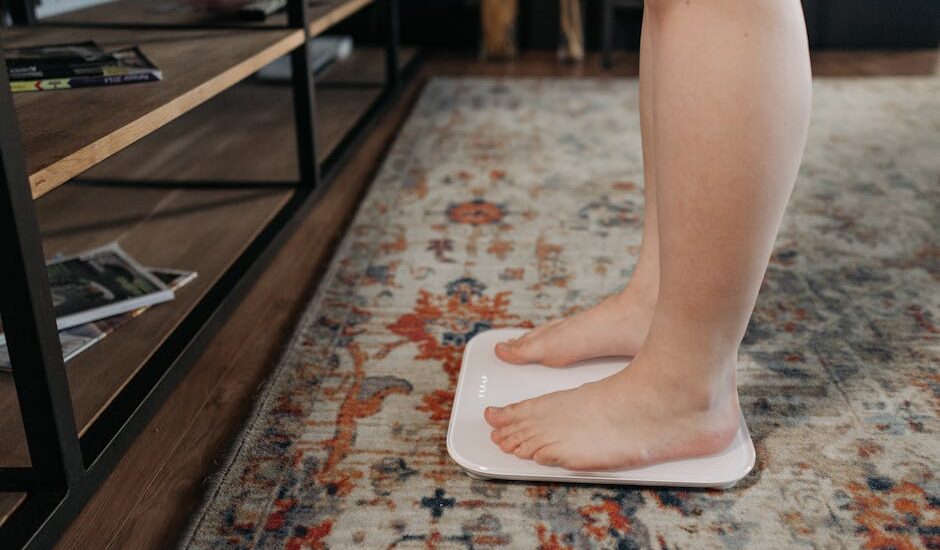
Most smart scales that estimate body composition use a technology called bioelectrical impedance analysis (BIA). When you step on the scale, it sends a small, painless electrical current through your body. Because fat, muscle, and water conduct electricity differently, the scale’s sensors use the resistance they detect to estimate your body fat percentage, muscle mass, bone mass, and water content.
But here’s the catch: consumer BIA scales are not medical devices, and their accuracy is limited. Variables like skin temperature, hydration, and even sweaty feet can skew results by 3–8% body fat. Scales that only use foot electrodes (the most common type) tend to underestimate body fat compared to clinical methods. Models with both hand and foot electrodes, which send current through your entire body, are typically more accurate, but are bulkier and pricier.
What matters most: treat these numbers as rough trends, not precise measurements. If you’re tracking changes over time—like muscle gain or fat loss—the scale’s consistency (not its absolute accuracy) is what counts. For medical or athletic-grade precision, only DEXA, hydrostatic weighing, or air displacement plethysmography are considered gold standards, but these are not home options.
Amazon tends to carry the widest range of new models with same-week delivery — useful when you’ve already picked your shortlist.
Compare on Amazon →Which Metrics Matter Most for Real Users?
Most smart scales promise a dizzying array of metrics: body fat percentage, muscle mass, visceral fat, subcutaneous fat, water percentage, bone mass, BMI, and even metabolic age. But not all of these are equally useful—or even meaningful outside a clinical setting.
- Body fat percentage: The main number most people care about. Even if the absolute value isn’t perfect, tracking your trend can be motivating.
- Muscle mass: Useful if you’re strength training, but estimates can be thrown off by dehydration or recent exercise.
- Visceral fat: Some scales estimate this (usually as a score, not a percentage). It’s a proxy for fat stored around organs, but home scales can’t directly measure it.
- Bone mass: Generally, this number doesn’t change much in adults and isn’t a meaningful day-to-day metric.
- Total body water: Fluctuates based on hydration and diet; best used for context, not as a goal.
- BMI: Calculated from height and weight, not a direct measurement. Useful as a population metric, less so for individuals.
For most users, focusing on body fat percentage, muscle mass, and weight trends delivers the most actionable information. The other numbers are interesting, but rarely drive decisions.
How the Options Compare: Smart Scale Buyer Profiles
| Profile | Sensor Type | Body Composition Metrics | Connectivity & Apps | Display & Usability | Price Range | Best For |
|---|---|---|---|---|---|---|
| Entry-level tracker | Foot electrodes (BIA) | 5–8 (weight, body fat %, muscle, water, BMI, bone mass) | Bluetooth, basic app sync | Simple LED, no color | $20–$45 | Budget, basic weight and fat tracking |
| App-integrated option | Foot electrodes (BIA) | 8–12 (adds visceral fat, metabolic age, segmental analysis) | Bluetooth + Wi-Fi, robust app, cloud data | Color display, trend graphs | $60–$120 | Users who want multi-device sync and data export |
| Full-body analyzer | Foot + hand electrodes (BIA) | 12–16 (includes segmental arms/legs, more detailed fat/muscle) | Wi-Fi, advanced app, health platform integration | Large display, multi-user recognition | $120–$250 | Serious trackers, families, athletes |
| Minimalist/no-app pick | Foot electrodes (BIA) | 3–5 (weight, body fat %, BMI, basic muscle) | None or basic Bluetooth | Simple LCD, no trend graphs | $18–$35 | Tech-averse, simple daily use |
| Premium design option | Foot electrodes (BIA), higher surface quality | 8–12 (adds heart rate, advanced fat/muscle metrics) | Wi-Fi, polished app, smart home integration | High-res color, glass/metal finish | $90–$180 | Style-conscious, connected households |
What to Look for When Comparing Smart Scales
Beyond just the number of metrics, focus on these quantifiable factors:
- Weight capacity: Most scales support up to 180–200 kg (396–440 lbs). If you need higher, check for models rated to 250 kg (550 lbs).
- Measurement increments: Look for scales that display weight in 0.1 kg (100g) or 0.2 lb increments for better precision.
- Number of users: Multi-user memory (often 8–16 users) matters for families or shared households.
- App compatibility: If you want to sync with Apple Health or Google Fit, check for explicit support. Not all Bluetooth scales can export data beyond their own app.
- Wi-Fi vs. Bluetooth: Wi-Fi scales auto-sync without your phone nearby, while Bluetooth models require your phone during weigh-in for data transfer.
- Battery type/life: Rechargeable lithium-ion batteries (lasting 4–6 months per charge) cost more upfront but avoid disposable AAA/AA batteries.
- Electrode configuration: Hand/foot electrode models provide more full-body data, but are less compact and require more setup per use.
See what’s available if you want to compare current models by these specs.
What Home Scales Get Wrong: Clinical Context and Common Pitfalls
It’s easy to be misled by the promise of “medical-grade” or “high-precision” marketing. No home smart scale can match the accuracy of a DEXA scan for body composition. In published research, even the best consumer BIA scales show average errors of 3–8 percentage points for body fat compared to DEXA, and results can swing even further for athletic or obese individuals.
Hydration is the biggest confounder. If you weigh yourself after a salty meal, heavy workout, or first thing in the morning, your BIA-based body fat reading can vary 2–4% just from fluid shifts. For the most consistent results, weigh yourself at the same time of day, under similar hydration and fasting conditions.
Another pitfall: scales with only foot sensors can’t “see” your upper body composition. This can lead to underestimation of trunk fat and overestimation of leg muscle, especially in women or people with more fat stored centrally. Dual hand-foot electrode models (sometimes called “segmental” analyzers) reduce but don’t eliminate these errors.
Related Guides
- Smart Ring vs Fitness Band: Which Wearable Is Right for You?
- A No-Nonsense Guide to Smart Jump Ropes: Are They Worth It?
- Smart Sleep Masks With Bluetooth: What to Know Before You Buy
- Body Fat Calipers That Actually Work: Our Top Picks and Buying Advice
- Is a Smart Water Bottle Worth It?
- Browse all Buying Guides →
Who Should—and Shouldn’t—Rely on Smart Scale Body Composition?
For most people, a smart scale is a motivational tool, not a diagnostic device. If you want to track weight loss, muscle gain, or just see general trends, these devices are useful—especially if you use the same scale, at the same time, under similar conditions. If you’re an athlete targeting a specific body fat percentage for competition, or you have a medical condition where precise body composition tracking is crucial, home BIA scales are not sufficient. In those cases, periodic DEXA scans or consultation with a professional is necessary.
Children, pregnant women, and people with implanted medical devices (like pacemakers) should not use BIA-based body composition scales, as the electrical current—though very low—may not be safe or accurate for these groups.
Real-World User Experiences: What Actually Matters Day to Day
After testing dozens of smart scales, the most common feedback from real users is about app reliability, ease of syncing, and how easy the scale is to actually use daily. Scales that require frequent re-pairing via Bluetooth or have buggy apps quickly become frustrating. Wi-Fi-enabled models, while pricier, tend to offer a “step on and forget it” experience—your data is logged automatically, and you can review trends anytime.
Physical stability and platform size matter, especially for larger users or those with mobility issues. A platform width of at least 30 cm (11.8 inches) is more comfortable for most adults. Bright, easy-to-read displays (with at least 2.5 cm/1 inch digits) are important if you weigh yourself in dim light.
Multi-user recognition works well on higher-end models but can be hit-or-miss on entry-level picks. If you share the scale with others, look for options that can auto-recognize users by weight profile or allow manual user selection before stepping on.
Want to see which options fit your needs? Check current prices for the buying profiles above.
What to Avoid: Red Flags and Overhyped Features
Some features sound impressive but don’t add real value. “Metabolic age” is a marketing term, not a clinically recognized metric. Heart rate measured through your feet is rarely accurate. Scales that claim “medical-grade” precision without FDA clearance or published validation studies are overstating their capabilities.
Watch for hidden costs: some models require a paid subscription to unlock full app features or export data. Others may restrict data export, making it hard to switch platforms later. Always check the fine print before you buy.
Finally, avoid scales that don’t clearly state their measurement increments, weight capacity, or compatibility with your devices. Vague specs are a red flag for poor build quality or outdated tech.
Ready to compare? View options and see which profiles match your priorities.
Amazon tends to carry the widest range of new models with same-week delivery — useful when you’ve already picked your shortlist.
Compare Options on Amazon →FAQ: Smart Scale Body Composition Questions Answered
How accurate are smart scales for measuring body fat percentage?
Home smart scales using bioelectrical impedance analysis can be off by 3–8 percentage points compared to clinical DEXA scans. They’re best for tracking trends over time, not for exact values. Factors like hydration, recent exercise, and meal timing can all affect the readings.
Can I use a smart scale if I have a pacemaker or implanted device?
No—body composition scales that use electrical current are not considered safe for people with pacemakers or other implanted medical devices. The current is low, but medical guidelines advise against use in these cases.
What’s the difference between Wi-Fi and Bluetooth smart scales?
Wi-Fi smart scales sync your data automatically to the cloud, so you don’t need your phone nearby during weigh-ins. Bluetooth models require your phone to be present and the app open for syncing, which can be less convenient for daily tracking.
Are hand-held electrode scales more accurate than foot-only models?
Yes, generally. Scales with both hand and foot electrodes can send current through your entire body, providing more complete data and reducing regional bias. However, they’re larger, more expensive, and still not as accurate as clinical methods.
Can smart scales differentiate between muscle gain and fat loss?
They estimate both, but changes in muscle and fat readings can be confounded by hydration and other factors. Use the same scale, under similar conditions, and look for consistent trends rather than relying on single measurements.
How many people can use a smart scale?
Most multi-user smart scales can store data for 8–16 users, auto-recognizing each by weight profile. Some entry-level models require manual user selection or support fewer users, so check the specifications if you plan to share the scale.
Do all smart scales require a smartphone app?
No, not all models require an app. Minimalist or no-app picks display basic metrics directly on the LCD and may not store long-term trends. If you want data export, historical charts, or integration with other health platforms, look for app-integrated or Wi-Fi-enabled options.
Can smart scales sync with multiple health platforms?
Some smart scales offer integration with more than one health platform, such as Apple Health and Google Fit, but always check compatibility before purchase. Entry-level models often only sync with their own proprietary app, while higher-end options may support exporting data to several ecosystems.
Is it safe for children or pregnant women to use smart scales?
Bioelectrical impedance analysis is not generally recommended for children or pregnant women, as the readings may not be accurate for these populations. Additionally, the safety of the electrical current for these groups is not always established—consult with a healthcare provider before use.
The Bottom Line: Which Smart Scale Profile Is Right for You?
If you want a motivational nudge and a simple way to track weight and body composition trends, an entry-level or app-integrated smart scale covers most needs. For more serious tracking or family use, a full-body analyzer with hand electrodes and Wi-Fi syncing delivers better consistency and less hassle. Just remember: treat the numbers as useful estimates, not gospel. The best smart scale is the one you’ll actually use—and trust to keep you motivated for the long run.
Related Guides
![Smart Scale for Body Weight, [2026 Upgraded], Body Composition Analyzer with 8-E](https://i.ebayimg.com/images/g/a54AAeSwKuRp-SE4/s-l500.jpg)