Disclosure: As an Amazon Associate and eBay Partner Network publisher, we earn from qualifying purchases. This doesn’t affect what we recommend or how we describe it.
9 min read
Most smart water bottles promise to solve a problem that’s both simple and surprisingly stubborn: we all know hydration matters, but remembering to drink enough is a daily struggle. Smart bottles use sensors, Bluetooth, and companion apps to nudge you, track your intake, and sometimes even light up or vibrate. But does this tech actually get you to drink more water — and is it worth the extra cost, charging, and setup compared to a regular bottle or a basic reminder app? The answer depends on how you interact with technology, your hydration habits, and whether the features actually fit your life rather than just adding another notification to ignore.
What a Smart Water Bottle Actually Does (and Doesn’t Do)
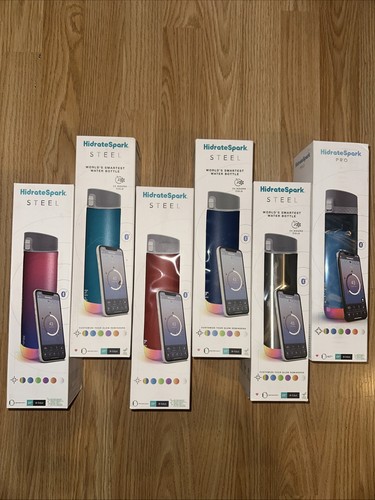
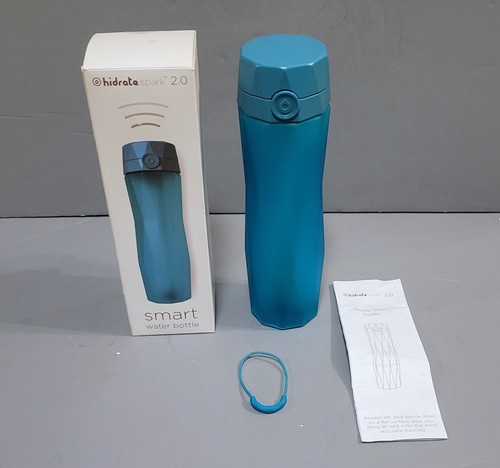
At its core, a smart water bottle is a vessel equipped with electronics to measure how much you drink, then send that data to your phone. The most common features include:
- Fluid tracking: Sensors measure water volume, typically accurate within ±5-10% of the true amount. Some use a weight sensor, others track tilt or flow.
- Reminders: Visual (LED lights), haptic (vibration), or app-based notifications prompt you to drink at preset intervals or when you fall behind your goal.
- App integration: Syncs with iOS/Android, sometimes with broader health platforms (Google Fit, Apple Health). Most require Bluetooth LE (Bluetooth 4.0 or newer).
- Goal setting: Lets you set daily targets based on body weight, age, activity level, or custom input.
- Battery: Rechargeable (usually via USB) or coin cell, with battery life ranging from 1 week (for LED/vibration models) to 2-3 months (for simple tracking-only bottles).
What they don’t do: purify water, chill it, or analyze quality — unless you’re looking at a much pricier, niche category. Most smart bottles are about tracking, not transformation.
Need it this week? Amazon’s selection of new units is hard to beat for shipping speed.
View on Amazon →Who Actually Benefits from a Smart Water Bottle
The biggest gains come for two types of people: those who struggle to remember to drink, and those who are motivated by tracking data. If you already drink enough (2-3 liters/day for most adults, though individual needs vary), a smart bottle may add little value. But if you routinely forget, or you’re trying to build a new habit, the combination of reminders and visible progress can help.
Clinical studies on hydration reminders are limited, but small trials in workplace and athletic settings suggest that real-time prompts — especially visual cues — can boost intake by 15-25% compared to no reminder. However, the effect tends to fade if the reminders become background noise or are easy to dismiss. The bottle works best if you genuinely engage with the feedback, not just ignore the lights or notifications.
How the Options Compare: Tech Profiles vs. Simpler Bottles
| Profile | Tracking Method | Battery Life | Reminder Type | App Integration | Typical Price Range | Who It Fits |
|---|---|---|---|---|---|---|
| App-connected bottle for data lovers | Weight or flow sensor (±5-10% accuracy) | 7-14 days (USB recharge) | LED, vibration, app push | Full (iOS/Android, sometimes Apple Health/Google Fit) | $45-80 | You want graphs, streaks, and integration with fitness tracking |
| Simple reminder bottle | Manual reset or basic tilt sensor | 1-3 months (coin cell) | LED or vibration only | None or minimal (no in-depth tracking) | $20-40 | You want reminders, but don’t care about app stats |
| Traditional insulated bottle | None | N/A | None | None | $10-40 | You just want something that keeps drinks cold/hot |
| Hydration tracking app (no bottle) | Manual entry | Phone battery only | App notifications | Full (but only as accurate as your logging) | Free-$5 | You’re disciplined about logging and don’t want more hardware |
Where Smart Bottles Actually Make a Difference
The tracking and reminder combo is most effective when you’re:
- In a routine-disruptive environment: Shifting schedules, frequent travel, or new jobs often throw off habits. A bottle that lights up or vibrates is a physical cue — hard to miss on a desk or in a bag.
- Data-motivated: If you already track steps, calories, or workouts, hydration tracking can slot into your routine. Seeing a chart of intake over days or weeks is motivating for some people, and integrating with health apps brings hydration into your bigger health picture.
- Building a new habit (not just maintaining): For those trying to break a soda habit or increase plain water intake, the external reminders and progress bars provide feedback missing from regular bottles. Studies in behavioral psychology suggest that visible, interactive cues are more effective for habit formation than passive reminders.
But if you’re already consistent — or you know you’ll snooze or ignore reminders — the bottle is just a pricier version of what you already use.
Battery Life, Charging, and What Annoys Real Users
Battery is the biggest practical headache. Bottles with active sensors and LEDs typically need recharging every 7-14 days. Some use micro-USB, some USB-C, but most are not waterproof while charging, so you have to remember to dry the base. Coin cell models last longer (1-3 months), but lack app integration and can be fiddly to replace. Forgetting to charge means you lose both tracking and reminders — and most bottles don’t track missed days, so data gaps are common.
Another real-world pain point: cleaning. Most smart bottles are not dishwasher safe because of the electronics. The sensor base may be removable, but that adds a step to every wash. If you use flavored powders or anything other than water, residue can quickly gum up sensors or leave odors. For people who value convenience, this is a non-trivial tradeoff.
How Accurate Is the Tracking — and Does It Matter?
Most smart bottles claim accuracy within ±5-10% of the volume consumed, but this depends on the sensor type. Weight-based sensors (in the base) are the most reliable, but require a flat surface for recalibration and can be thrown off by condensation. Tilt or flow sensors are more variable, especially if you take small sips or share the bottle. None are medical-grade — if you need precise intake tracking (e.g., for kidney or cardiac conditions), a smart bottle is not a substitute for a measured log.
For general wellness, this level of accuracy is usually sufficient. The main value is in building awareness and accountability, not in hitting an exact milliliter target.
Related Guides
Common Mistakes When Choosing a Smart Water Bottle
- Assuming all bottles are app-connected: Some less expensive “smart” bottles only have a timer or light — no actual tracking or app integration. Always check if it syncs with your phone and what data you get.
- Ignoring battery and charging logistics: If you’re not willing to charge another device weekly, opt for a simpler reminder-only bottle or just use a hydration app.
- Overlooking cleaning and material safety: Electronics often mean hand-wash only, which can be a dealbreaker for some. Make sure the bottle’s inner materials are BPA-free and food-grade (most are, but always check).
- Expecting it to “fix” your hydration on its own: No bottle can force you to drink — it’s a tool, not a magic solution. The reminders and data only help if you’re willing to engage with them.
For most people, the best approach is to match the tech level to your real needs: if you love data and app integration, invest in a full-featured bottle. If you just need a nudge, a simple reminder model (or even a phone app) may do the job for less.
Need it this week? Amazon’s selection of new units is hard to beat for shipping speed.
Compare Options on Amazon →FAQ: What People Really Want to Know About Smart Water Bottles
Do smart water bottles actually help you drink more water?
Studies and user data suggest that visible, interactive reminders (like lights or vibrations) can increase water intake by 15-25% for people who are under-hydrated or forgetful. The effect is strongest in the first few weeks and for those who engage with the app or bottle feedback. For already-consistent drinkers, the impact is minimal.
Are smart water bottles dishwasher safe?
Most are not fully dishwasher safe due to internal electronics. Some allow you to remove the sensor base and wash the bottle body separately. Always check the manufacturer’s instructions; washing electronics can void warranties and damage sensors.
How accurate are the fluid measurements?
Typical accuracy is within ±5-10% of actual volume, depending on the sensor type. Weight-based sensors are more reliable than tilt or flow sensors. For general wellness, this accuracy is sufficient, but it’s not medical-grade tracking.
What happens if I forget to charge my smart bottle?
Most bottles lose tracking and reminder functions when the battery dies. Some store a small amount of data locally and sync when recharged, but many simply miss those days in your hydration log. If consistent tracking is important, choose a bottle with longer battery life or set reminders to charge it.
Can I use a smart water bottle with drinks other than water?
Most are designed for water only. Sugary, carbonated, or flavored drinks can leave residues that damage sensors or trigger inaccurate readings. Using anything but water may also void the warranty or make cleaning much harder.
Is there a privacy risk with hydration tracking apps?
Data sent to companion apps is typically limited to hydration logs, but some apps may request access to broader health data or account information. Review app permissions and privacy policies, especially if you link to broader health platforms. For most users, the privacy risk is low, but it’s wise to check before syncing sensitive data.
Who Should Skip the Smart Water Bottle — and What’s the Alternative?
If you’re disciplined about hydration, dislike charging extra devices, or want a bottle you can toss in the dishwasher, a regular insulated bottle or a hydration reminder app may serve you better. Manual tracking apps (requiring you to log each drink) can be just as effective if you’re motivated by streaks or goals, and they add no hardware or cleaning hassle. For pure convenience and cost, a simple bottle plus scheduled phone alarms can cover most people’s needs.
On the other hand, if you thrive on data and find that physical reminders (lights, vibrations) work better than phone notifications, a smart bottle can genuinely help build better habits — as long as you’re willing to keep it charged and clean.
View options if you want to see what’s available in each category. For those interested in a tech-integrated option, check current prices for app-connected bottles. If you’re on the fence, compare today’s deals on simple reminder bottles to see if the extra features are worth it for you.Bottom Line: Is a Smart Water Bottle Worth It?
If seeing your progress, getting real-time nudges, and integrating hydration into your broader health tracking genuinely motivates you, a smart water bottle can be a worthwhile upgrade over basic bottles or reminder apps. For everyone else — especially those who dislike charging, want easy cleaning, or already hydrate consistently — it’s an expensive solution to a problem you may not actually have. Match your choice to your real habits, not just the promise of new tech.