8 min read
Pulse oximeter readings are often treated as a simple yes/no: above 95% is “good,” below that is “bad.” But the reality is more nuanced. The true significance of your SpO2 number depends on your health status, how the device is used, and the specific context in which you measure. For most healthy adults, a normal pulse oximeter reading falls between 95% and 99% — but there are important exceptions, and small variations can mean different things than you might expect.
What the Numbers on a Pulse Oximeter Actually Mean
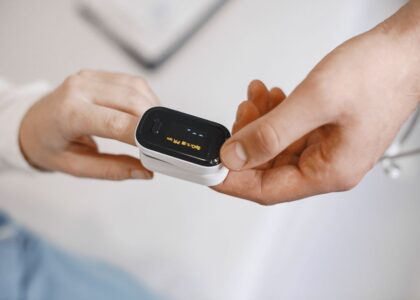
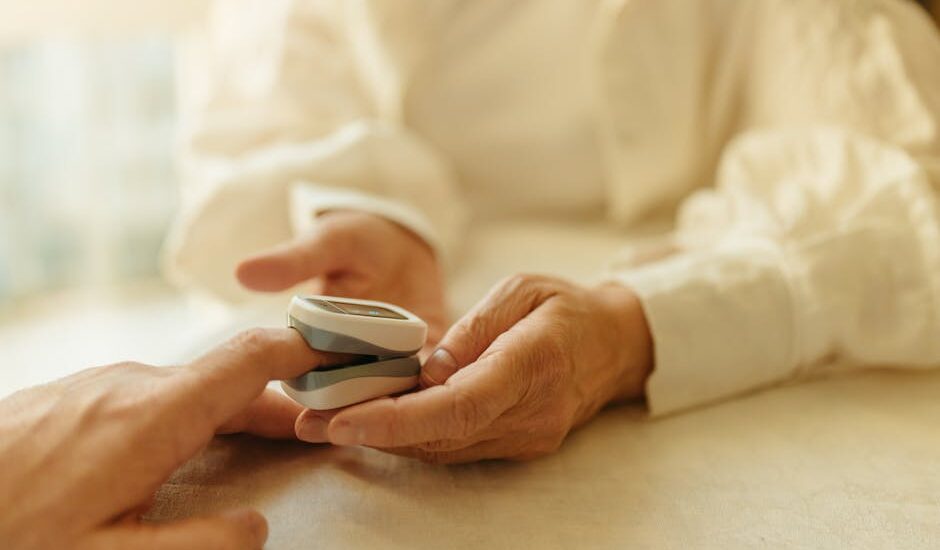
The figure displayed on a pulse oximeter is your peripheral oxygen saturation (SpO2) — an estimation of how much oxygen your blood is carrying as a percentage of its maximum capacity. A reading of 98% means 98% of your hemoglobin is saturated with oxygen. Most consumer devices also show your pulse rate in beats per minute (bpm).
Clinically, a normal SpO2 for healthy adults at sea level is typically 95% to 99%. Readings of 90% to 94% may be considered low, especially if persistent or accompanied by symptoms. Values below 90% are generally regarded as a sign of hypoxemia — a potential medical emergency requiring prompt attention.
However, these cutoffs are not absolute. Factors like chronic lung disease, altitude, skin pigmentation, and even nail polish can affect readings. For people with certain medical conditions, “normal” might mean something different. That’s why context matters as much as the number.
How the Options Compare: Consumer Pulse Oximeter Categories
| Type | Typical Accuracy | Display Format | Pulse Rate Range (bpm) | Battery Life |
|---|---|---|---|---|
| Basic fingertip model | ±2% (SpO2 70-100%) | LED, 1-2 colors | 30–250 | 20-30 hours |
| Bluetooth/app-enabled | ±2% (SpO2 70-100%) | OLED, multi-color + graph | 25–250 | 10-16 hours (rechargeable) |
| Wrist-worn continuous | ±2% (SpO2 70-100%) | OLED, multi-data | 20–240 | 24-48 hours |
| Pediatric/infant clip | ±3% (SpO2 70-100%) | LED, small format | 40–240 | 16-24 hours |
Why “Normal” SpO2 Varies — and When to Worry
For healthy adults at sea level, SpO2 readings of 95% or above are considered reassuring. But several factors can produce lower numbers that aren’t always cause for alarm:
- Altitude: At 5,000 feet, normal SpO2 may drop to 92–94% due to thinner air.
- Chronic respiratory conditions: People with COPD, interstitial lung disease, or pulmonary fibrosis often have baseline SpO2 in the 88–94% range. For them, “normal” is individualized.
- Skin pigmentation and nail polish: Dark skin and certain nail polishes (especially blue, black, or green) can cause falsely low readings.
- Cold extremities or poor circulation: Cold fingers can reduce blood flow and result in artificially low SpO2.
- Movement or poor sensor placement: Shaking or improper placement can trigger erratic numbers.
Persistent readings below 94% in a healthy adult at rest, especially with symptoms like shortness of breath, confusion, or chest pain, warrant prompt medical attention. But a single reading a point or two below 95% is not always a red flag — especially if you just came in from the cold or have recently removed nail polish.
How Pulse Oximeters Measure Oxygen — and Their Limits
Pulse oximeters use light-emitting diodes (LEDs) at two wavelengths (typically 660nm red and 940nm infrared) to detect the color change in hemoglobin as it binds with oxygen. The device calculates the ratio of oxygenated to deoxygenated blood, factoring in your pulse to distinguish arterial flow from static tissue.
However, consumer-grade pulse oximeters are less accurate at SpO2 levels below 80%, and their ±2% accuracy only holds between 70% and 100%. If your device reports 92%, the true value might be anywhere from 90% to 94%. Hospital-grade devices are more reliable, but even they can be thrown off by low perfusion, motion, or sensor issues.
For those with darker skin, multiple studies have shown that pulse oximeters may overestimate oxygen saturation, sometimes masking true hypoxemia. This is a recognized limitation, driving renewed scrutiny and calls for improved design and calibration. You can read more about these concerns from the British Thoracic Society.
How to Get the Most Reliable Reading at Home
To minimize the risk of misleading readings, follow these best practices:
- Warm your hands before measurement.
- Remove nail polish or artificial nails from the finger you use.
- Rest for at least 5 minutes before taking a reading.
- Keep your hand still and at heart level during measurement.
- Wait for the reading to stabilize for 5–10 seconds before recording.
- If you get an unexpected result, repeat the reading on a different finger.
Some devices allow you to change display orientation or brightness. If you’re visually impaired, look for models with large OLED screens or audible pulse indicators. For those tracking SpO2 overnight (for suspected sleep apnea, for example), a wrist-worn or continuous monitoring model is preferable over a basic fingertip clip.
Related Guides
- Pulse Ox vs SpO2: Which Should You Choose?
- Mouth Guards for Teeth Grinding: What to Know Before You Buy
- Our guide to How to Clean Fitness Mats: Tips for a Germ-Free Workout Space
- Our guide to Electric Facial Cleansing Brushes to Upgrade Your Routine
- Our guide to How to Charge an Electric Heating Pad: A Step-by-Step Guide
- Water Flosser vs Dental Pick: Which Cleans Better?
- Browse all Educational Guides →
- Best FDA-Approved Pulse Oximeters 2026: Our Expert Recommendations
Real-World Use Cases: When Is Monitoring SpO2 at Home Useful?
Pulse oximeters are most valuable for people with chronic respiratory or cardiac conditions, those recovering from respiratory infections, or athletes training at altitude. During the COVID-19 pandemic, home pulse oximetry became a tool for early detection of silent hypoxemia — low oxygen levels without obvious symptoms.
For healthy individuals, routine monitoring is rarely necessary. But if you have risk factors for lung or heart disease, or your doctor has recommended regular checks, having a reliable device at home can provide peace of mind and enable earlier intervention if your readings trend downward.
For parents, it’s important to note that “normal” SpO2 values for infants and small children can differ from adults, and pediatric-specific devices are required for accurate readings. Never attempt to interpret or act on low readings in children without professional guidance.
Common Mistakes That Lead to Misleading SpO2 Readings
Even with a high-quality device, user error is the most common source of inaccurate pulse oximeter readings. Here are the pitfalls to watch for:
- Using cold fingers: Poor blood flow can drop readings by several points.
- Movement: Even small tremors can cause erratic numbers.
- Wrong finger: The middle or ring finger of the non-dominant hand usually gives the most consistent results.
- Ignoring device calibration: Most consumer models are not field-calibratable, but replacing batteries regularly and keeping the sensor clean improves reliability.
- Relying on a single reading: Always confirm unexpected results with a repeat measurement.
For a deeper dive into how pulse oximeters work and their limitations, consult the Association of Anaesthetists — their clinical guidance is a gold standard in the field.
Choosing the Right Pulse Oximeter for Your Needs
For most home users, a basic fingertip model with clear LED display and ±2% accuracy is sufficient. If you want to track readings over time or share data with a healthcare provider, consider a Bluetooth-enabled device with app integration. For overnight or continuous monitoring, a wrist-worn model with longer battery life is more comfortable and practical.
Pediatric and infant monitoring requires a sensor sized for small digits and, ideally, a device with validated accuracy in younger age groups. Never use an adult device on a baby or toddler.
Price points vary widely — budget models are often sufficient for occasional spot checks, while premium options justify their cost for those needing frequent, reliable readings or advanced features.for your specific scenario.
FAQs: Pulse Oximeter Readings and What’s Normal
Is 94% a normal pulse oximeter reading for an adult?
94% is at the lower end of what’s considered normal for healthy adults at sea level. Persistent readings below 95% may warrant attention, especially if you experience symptoms like shortness of breath or chest discomfort. Occasional dips to 94% can occur due to cold hands, poor circulation, or minor sensor errors.
How much does altitude affect normal SpO2 readings?
At higher altitudes, the lower oxygen content in the air can drop normal SpO2 readings by 2–4 percentage points. At 5,000–8,000 feet, values of 90–94% may be typical even for healthy individuals. Always interpret readings in the context of your location and baseline health.
Which is better for home use: basic fingertip or Bluetooth-enabled pulse oximeter?
For most users, a basic fingertip model is sufficient for occasional spot checks and provides the same accuracy as Bluetooth-enabled devices. However, if you need to track trends, share data, or review your history, a Bluetooth/app-enabled model offers greater convenience and functionality.
How long does a typical pulse oximeter battery last?
Basic fingertip models powered by AAA batteries typically last 20–30 hours of active use, which translates to weeks or months for most home users. Rechargeable Bluetooth and wrist-worn models may need charging every 10–48 hours, depending on feature set and usage patterns.
What’s the return policy or warranty for most consumer pulse oximeters?
Most consumer pulse oximeters offer a 1-year limited warranty against manufacturing defects. Return policies vary by retailer, but a 30-day return window is common. Always check the warranty terms and ensure the device is certified for medical use before purchasing.for the latest return and warranty terms.
Can nail polish or artificial nails affect my SpO2 readings?
Yes, dark or opaque nail polish and acrylic nails can block the light sensor and cause falsely low or erratic readings. For best results, remove polish or use an unpainted finger. Some devices are more sensitive to this issue than others, so repeat the measurement on a different finger if in doubt.
What Matters Most When Interpreting Pulse Oximeter Results
Pulse oximeters are useful screening tools, not diagnostic instruments. Their readings are most reliable when you follow best practices: warm hands, no polish, proper technique, and an understanding of your baseline. A normal SpO2 is generally 95–99% for healthy adults, but context is everything — altitude, chronic illness, and device limitations all influence what’s truly “normal.”
For most users, a budget or mid-range fingertip model suffices for occasional checks. If you need to track readings over time or monitor overnight, look for advanced features and longer battery life.to find the right fit for your needs. When in doubt, use your device as a trend monitor, not a substitute for clinical judgment — and always consult a professional if your readings are persistently low or you have concerning symptoms.
Last updated: June 2026 · Editorial standards